
Last updated November 15, 2026
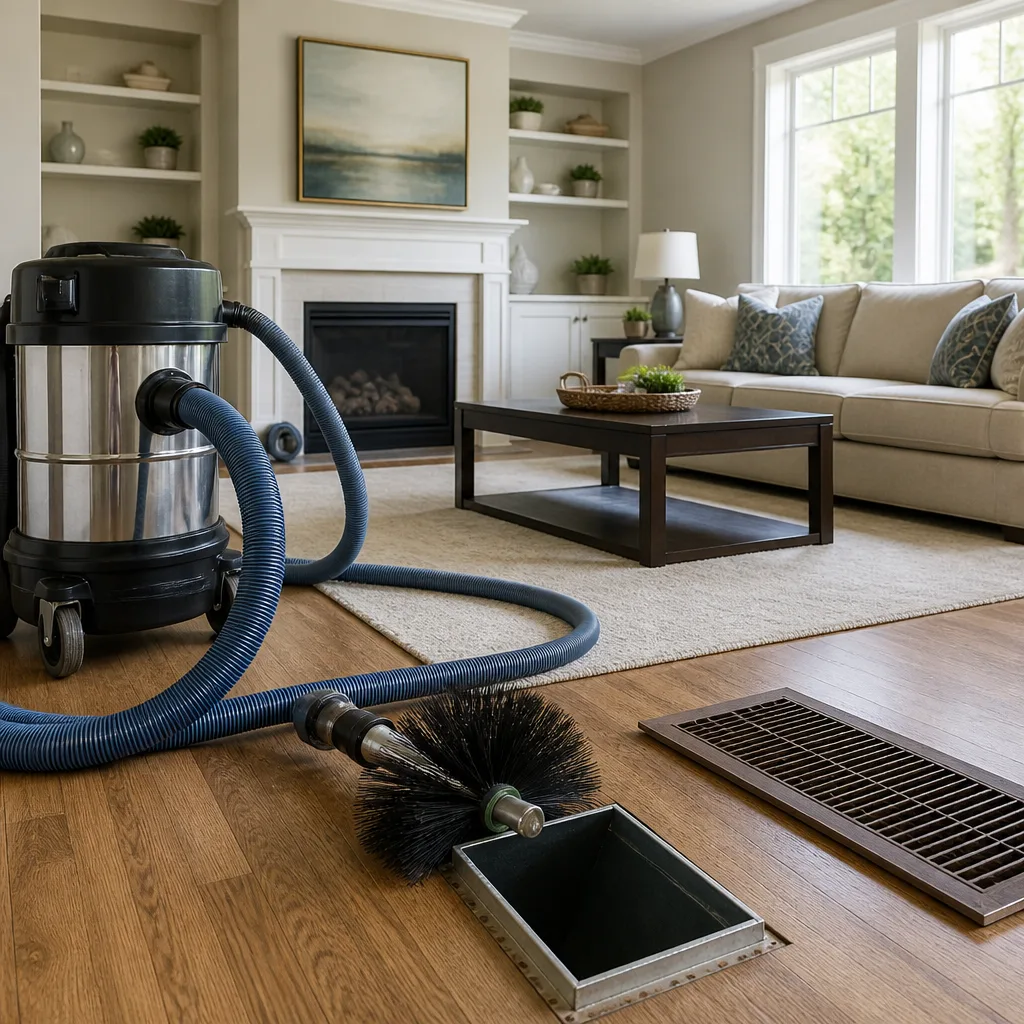 Whole-home duct cleaning
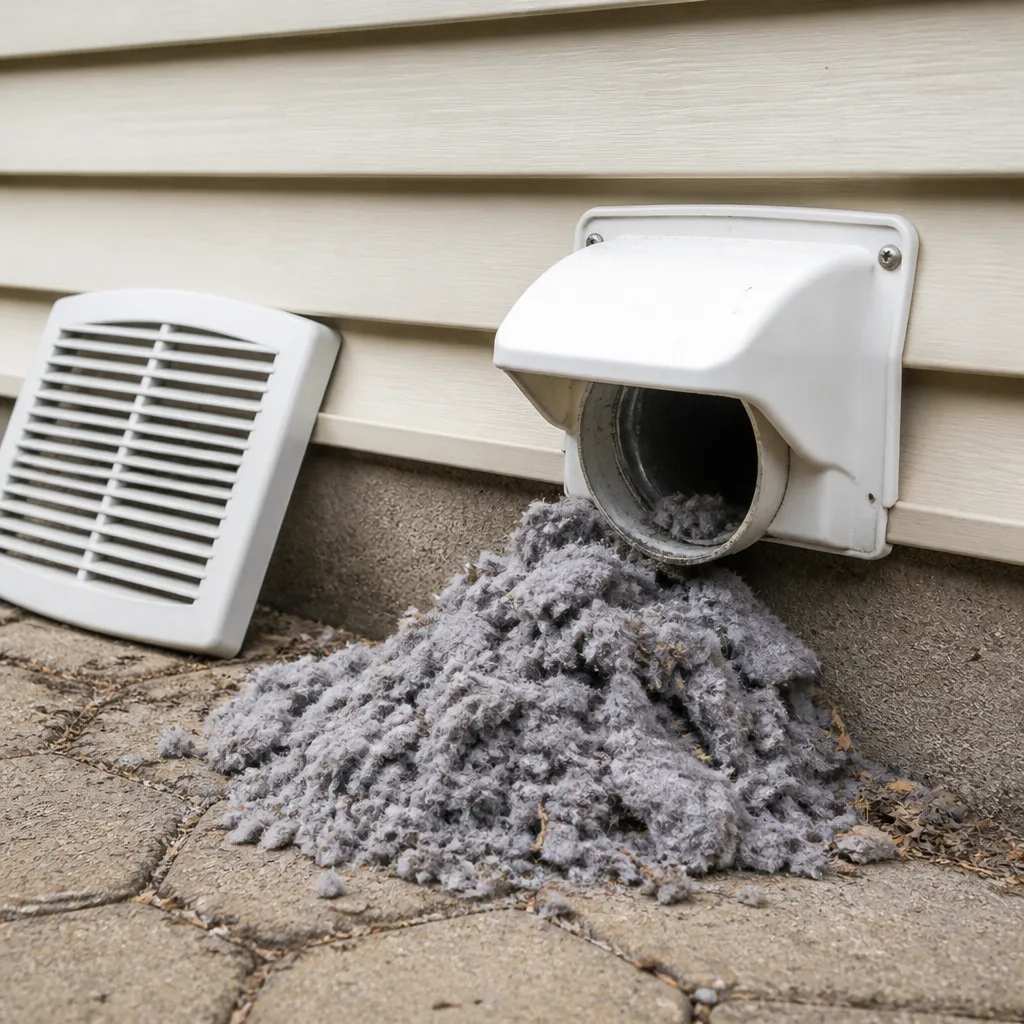 Dryer vent cleaning
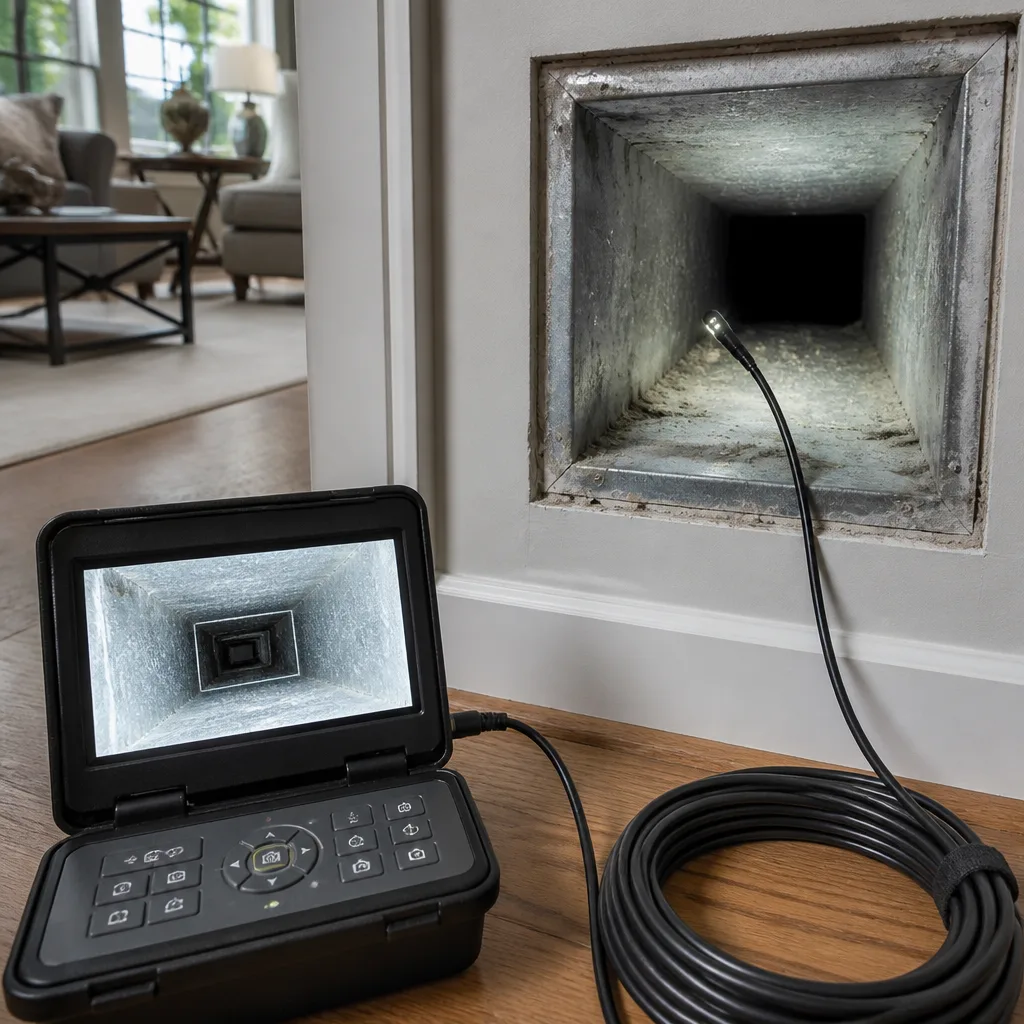 Camera inspection
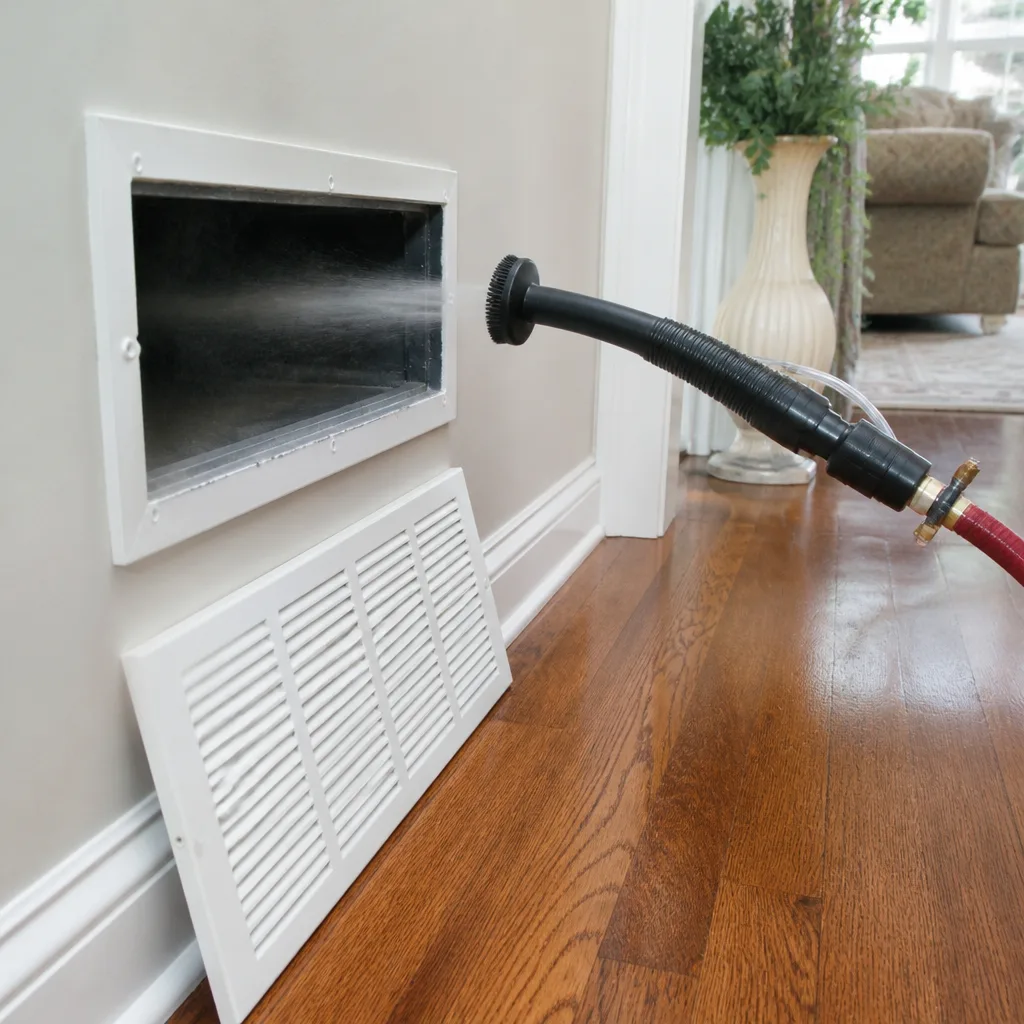 Sanitizing & deodorizing
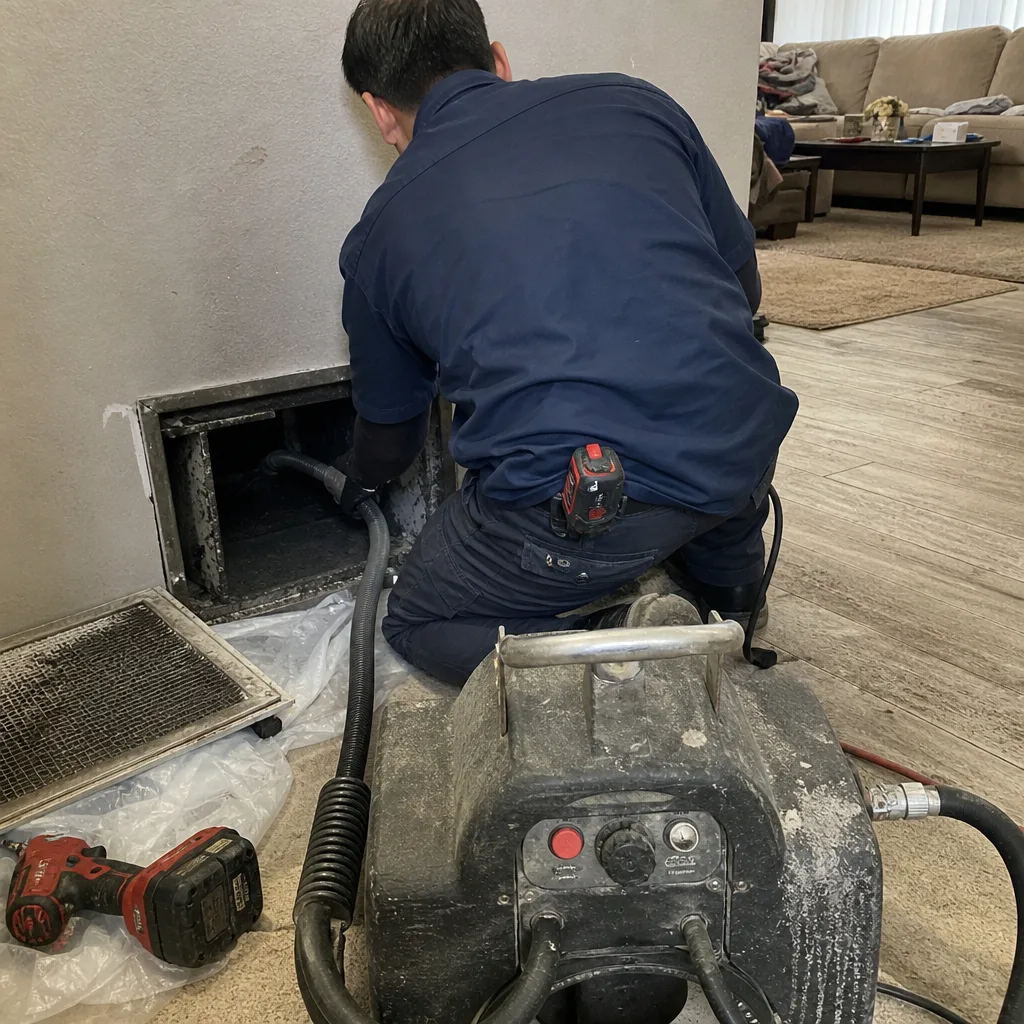
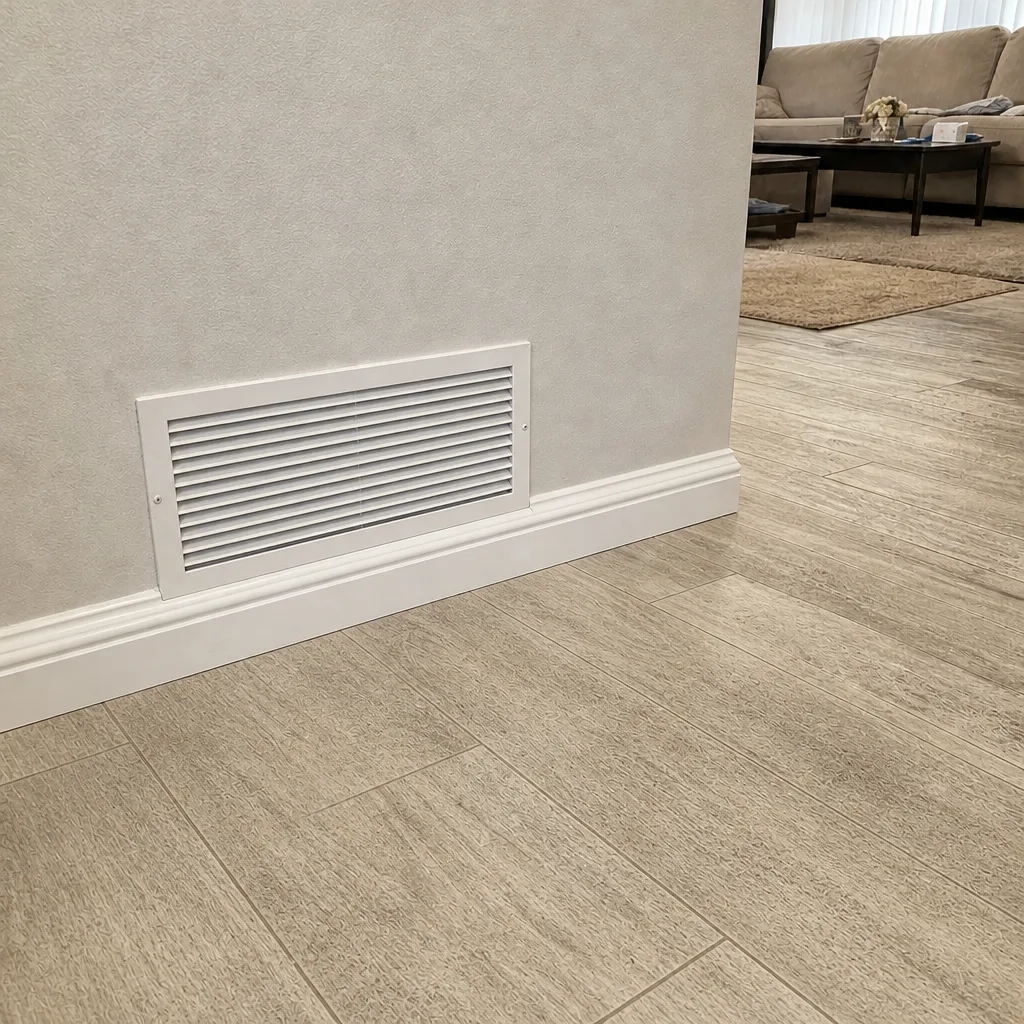
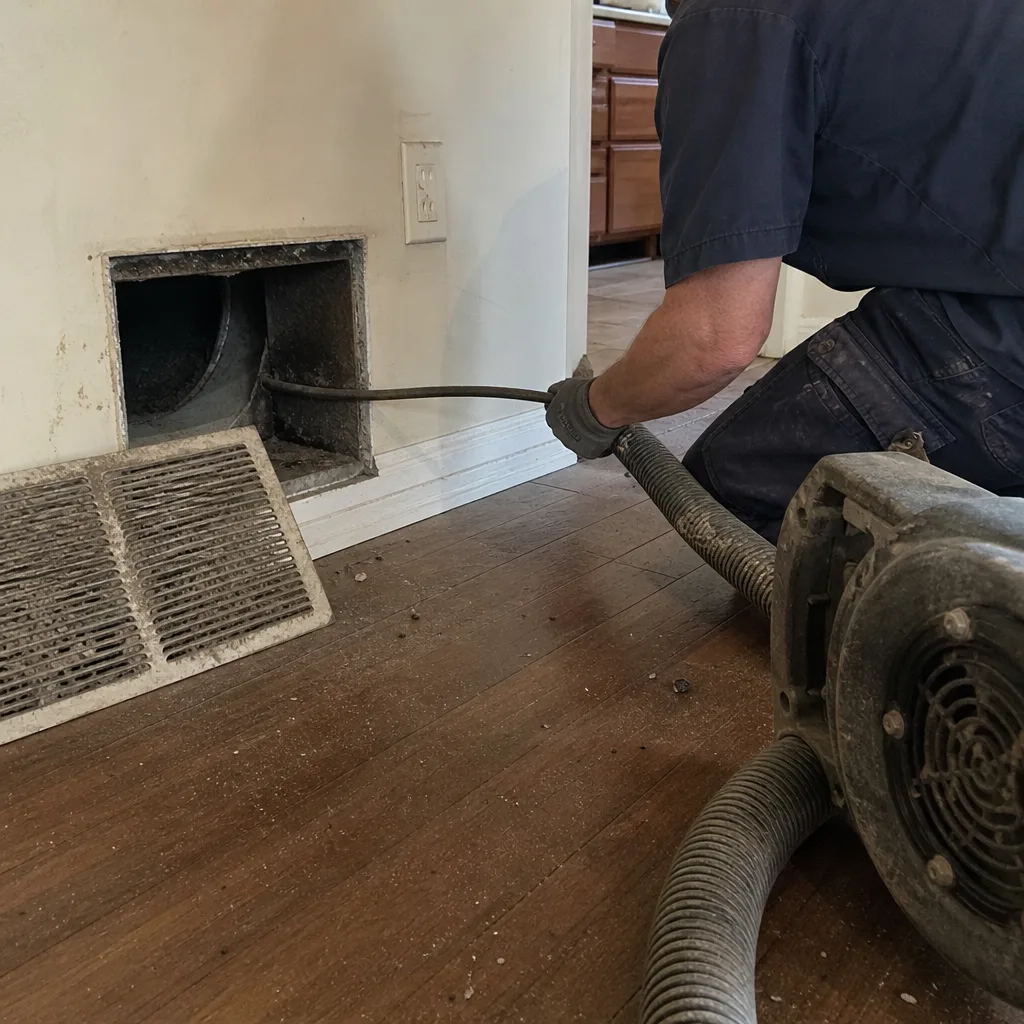
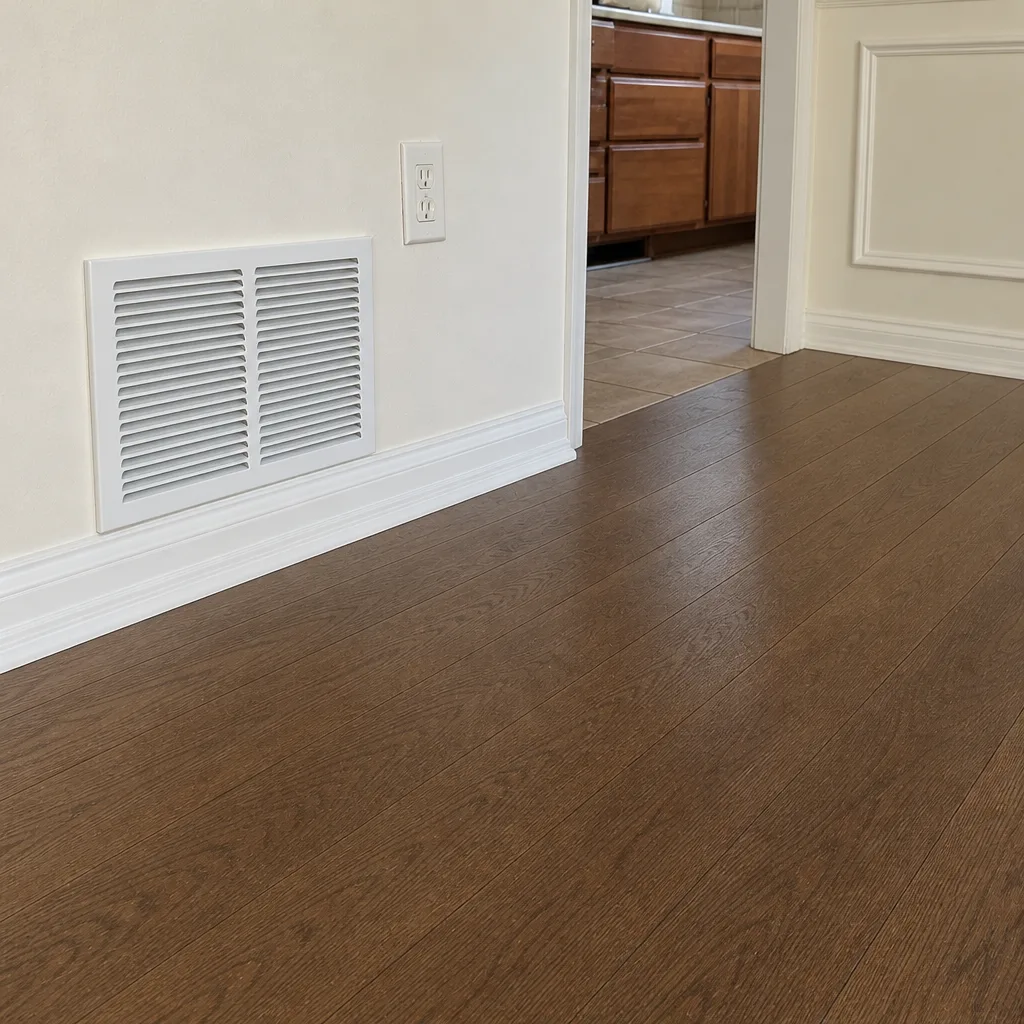
Whole-system duct and dryer vent check with before-and-after photos - you see exactly what came out of your vents
That "$99 whole-house special" is a bait ad - the real number appears once they are in your hallway, or the "clean" is a shop-vac at the register. We photograph the inside of your ducts before and after instead.
Air Duct Cleaning Maintenance Schedule: What to Do and When
Most homeowners treat duct cleaning like a five-year oil change: same interval for every house on the block. That number gets repeated everywhere, and in Visalia it’s often wrong. Homes here run their cooling systems far more hours per year than the national baseline, pull in San Joaquin Valley agricultural dust through every return, and sit through wildfire smoke seasons that load ductwork with fine particulate in a matter of weeks. The honest answer to “how often should air ducts be cleaned in Visalia CA” depends on your house, your filtration, your pets and your run-time – not a generic industry talking point. This guide builds a real schedule around those variables, so you’re deciding from evidence instead of a salesperson’s upsell cycle.
Quick Answer
In Visalia, most homes need professional duct cleaning every 2 – 4 years, not the widely quoted 3 – 5. Households with pets, allergy or asthma sufferers, recent renovation dust, or aging flex duct often land on the shorter end, while a well-sealed system running a high-MERV filter can stretch toward four years. Dryer vents are separate business: inspect and clear them annually. Track filter loading, register dust and visible debris between cleanings to confirm when your ducts actually need service.
Styles & brands we work with
- Whole-home duct cleaning
- Dryer vent cleaning
- Camera inspection
- Sanitizing & deodorizing
Table of Contents
- Why the National “Every 3 – 5 Years” Rule Misleads Visalia Homeowners
- How Valley Dust and Smoke Season Compress Your Cleaning Interval
- Filter MERV Rating: The Maintenance Variable Most People Ignore
- A Tiered Schedule Framework Based on Your Household
- What to Do Between Professional Cleanings
- The Annual Dryer Vent Inspection Most Homeowners Forget
- How to Track Duct Condition Over Time
- What Proper Cleaning Actually Involves
Why the National “Every 3 – 5 Years” Rule Misleads Visalia Homeowners
The 3 – 5 year figure comes from a rough national average, and averages hide the inputs that matter. Duct contamination isn’t a function of calendar time – it’s a function of how much air moves through the system, how dirty that air is, and how well the filter catches what comes in. Change any of those and the interval changes with it. A home in a mild coastal climate with the windows open half the year and a modest run-time simply doesn’t accumulate the same load as a house in Visalia running its system through a long, hot valley summer.
Here in the San Joaquin Valley, three of those inputs push in the wrong direction at once. Run-time is high because cooling season is long. Incoming air carries agricultural and soil particulate that’s finer and more persistent than typical urban dust. And the housing stock includes a lot of older flex duct that sags, tears and collects debris at every low point. Stack those together and a two-year interval is common for a Visalia home that a national calculator would schedule at four or five.
That’s the core problem with the universal rule: it schedules by the calendar instead of by the system. When you understand the four variables below, you can build a schedule that actually fits your house.
- Run-time hours. The more your system cycles, the more air – and airborne debris – passes through the ductwork.
- Incoming particulate load. Valley dust, pollen, smoke and renovation debris all enter through returns and imperfect seals.
- Filtration quality. A better filter catches more before it settles in the ducts. A cheap one lets it through.
- Duct condition. Sealed, rigid ductwork holds up. Aging flex duct leaks, sags and traps debris.
How Valley Dust and Smoke Season Compress Your Cleaning Interval
Two seasonal forces do most of the work on Visalia ductwork, and neither shows up in a generic maintenance chart. The first is agricultural and soil dust. The valley’s farm economy means fine particulate is a year-round presence, and it’s small enough to slip past a basic filter and settle on duct walls, turning a modest coating into a real accumulation faster than in a cleaner airshed.
The second is wildfire smoke. Smoke season is episodic, but it’s brutal on ductwork when it hits: a few weeks of heavy smoke pushes fine particulate into the return side of the system, and because HVAC runs hard during those same hot months, that material gets distributed rather than sitting still. A home that was clean in spring can be noticeably loaded by fall after a bad smoke year.
What this means in practice is that your cleaning schedule isn’t a single fixed interval – it’s a range you tune. A year with heavy smoke and a long cooling season reads differently from a mild one. Our advice for Visalia homeowners is to schedule a professional cleaning on a 2 – 4 year base and check your system against the seasonal signals in between:
- Schedule a professional cleaning on a 2 – 4 year base, then adjust based on the factors below.
- After any extended smoke event, check filters and registers for visible loading.
- During peak dust months, replace filters more often than the package suggests.
- Log what you see each season so you can spot a trend rather than guess.
That last point is the one most people skip, and it’s the most useful. A written log of filter changes and register dust turns scheduling into an evidence-based decision, which is exactly what Duct Cleaning Visalia recommends over a fixed calendar reminder.
Filter MERV Rating: The Maintenance Variable Most People Ignore
Your filter is the single biggest lever you control between professional cleanings. A filter’s MERV rating describes how well it captures particles by size, and upgrading from a basic fiberglass filter to a pleated one rated to catch fine particulate meaningfully extends the time it takes for duct walls to load. More debris stays in the filter and less reaches the ductwork – simple as that.
The catch is that higher MERV isn’t automatically better for every system. A filter dense enough to restrict airflow can strain a blower and hurt efficiency, so the right rating depends on your equipment and duct design. This is where a duct specialist earns their keep: we look at the system, not just the filter slot, and recommend what it can actually handle. We work with name-brand filtration products from Honeywell and Aprilaire, which gives you a path to sustained air quality improvement that goes beyond the cleaning visit itself.
Here’s how filtration changes your schedule:
- Upgrade the filter rating within what your system supports. Better capture means slower duct loading.
- Change it on a real interval – more often during dust and smoke months, less in clean stretches.
- Seal the filter slot. A loose filter pulls unfiltered air around the edges, defeating the purpose.
- Keep the return side clean. A dirty return grille sends everything straight into the system.
Treat filtration as ongoing maintenance, not a one-time purchase. The homes that stay clean the longest in Visalia are the ones running good filtration consistently, not the ones that simply clean more often.
A Tiered Schedule Framework Based on Your Household
No two homes land on the same interval, so build your schedule from the factors that actually apply to you. Use this framework as a starting point, then adjust as you learn how your own system behaves. The tiers below reflect what we see in Visalia homes across the valley.
Tier 1 – Standard household, clean routine (every 3 – 4 years)
No pets, no allergy concerns, sealed ductwork, a good filter changed on schedule, and no recent renovation. These homes load slowly and can often stretch toward four years if the filter log stays clean.
Tier 2 – Elevated load (every 2 – 3 years)
One or more pets, a family member with allergies or asthma, older flex duct, or a home that sees heavy smoke-season exposure. Pet dander and fine particulate add up, and the schedule shortens accordingly.
Tier 3 – High load or active conditions (every 1 – 2 years)
Multiple pets, a recent renovation or new construction with construction dust still settling, documented allergy or asthma triggers, or visibly dirty registers. Renovation in particular is a schedule reset – drywall and sawdust load the system heavily and warrant a cleaning once the work wraps.
A landlord managing rental property in Visalia should treat turnover as a trigger point: a unit that changes tenants or has sat vacant with the system off is a good candidate for inspection and, often, a fresh cleaning before the next occupant moves in. The tier framework isn’t a rigid rule – it’s a way to stop guessing and start from a sensible baseline you can adjust.
What to Do Between Professional Cleanings
The work that protects your system isn’t only what happens on cleaning day. What you do between visits is what keeps the interval from shrinking. None of it is complicated, and none of it requires special tools – it just takes a routine.
- Check registers monthly. Wipe a white rag across a supply register. Visible gray film means debris is reaching the room, and it’s worth a closer look.
- Keep a filter log. Write the date and filter type each time you change it. The pattern tells you when loading speeds up.
- Vacuum return grilles. A dirty return sends debris straight back into the system.
- Watch for new dust on horizontal surfaces. A sudden uptick usually means something changed in the system or the season.
- Seal obvious leaks. Gaps at boots and joints pull unfiltered air from unconditioned spaces.
- Inspect the dryer vent as part of your annual routine, covered below.
These steps turn maintenance into a feedback loop. When you know what your ducts normally look like, you recognize a change early – and early is when a cleaning is cheap and simple rather than a correction.
The Annual Dryer Vent Inspection Most Homeowners Forget
Dryer vents are the maintenance item that gets skipped most often, and they carry a real safety consequence. The U.S. Fire Administration recommends annual dryer vent cleaning as a fire-prevention measure, and lint buildup is exactly the kind of quiet hazard that’s invisible until it isn’t. A clogged vent also makes the dryer work harder and take longer, which many owners notice before they think about the vent at all.
Treat the annual inspection as a fixed line on your schedule, separate from duct cleaning. It’s fast, it’s inexpensive relative to the risk, and it’s a good candidate for dryer vent cleaning as a standalone service rather than something you bundle and forget. Signs you shouldn’t wait a full year include clothes taking longer to dry, a hot dryer cabinet, or a vent flap that doesn’t open cleanly when the dryer runs.
In Visalia homes, lint buildup tends to be steady rather than sudden, so the annual check is mostly about catching a slow clog before it becomes a blocked vent. Put it on the same reminder as your filter routine and it stops being the thing everyone forgets.
How to Track Duct Condition Over Time
Scheduling from evidence beats scheduling from a salesperson’s cycle every time. The goal is to know your own system well enough that you can tell when a cleaning is actually due. A few simple records do that.
- Filter dates and types. A log of what you installed and when it loaded reveals your real change interval.
- Register observations. Note visible dust on supply and return grilles each season.
- Seasonal notes. Mark heavy dust or smoke periods so you can connect them to changes you see.
- Service records. Keep the date of each professional cleaning and what was done.
When a technician inspects your system, they should be able to show you what they found – debris type, where it collected, the condition of the ductwork. That’s the standard we hold ourselves to: a cleaning decision should rest on what’s actually in the ducts, not on a script. That evidence-based approach is what separates an honest interval from a sales cadence, and it’s why we recommend documenting condition rather than defaulting to a fixed number.
What Proper Cleaning Actually Involves
The schedule only matters if the cleaning itself is done right, and that’s where equipment separates one provider from another. A consumer-grade blower doesn’t remove settled debris from duct walls – it agitates it and can recirculate fine particulate into the home. Professional cleaning uses contact tools and high-filtration vacuum together, with containment running the whole time.
Our air duct cleaning uses a Rotobrush rotary-brush system to break debris off duct walls, paired with Nikro HEPA vacuum technology that captures the fine particulate a standard shop vac misses. While the work happens, Abatement Technologies air-filtration units run to contain dislodged material inside the home rather than recirculating it. Where duct sections are damaged or leaking, we repair them on the same visit so the system is left sealed, not just cleaner. That’s the difference between vacuuming a duct and actually restoring it. Our technicians have up to 15 years of experience working specifically on duct systems.
Common Mistakes to Avoid
- Applying the national 3 – 5 year rule to a valley home. Visalia’s run-time and dust load usually shorten that interval, so a five-year plan can leave ducts loaded for years too long.
- Ignoring the filter. A cheap filter that’s changed rarely lets fine particulate straight into the ductwork – the single most common reason intervals shrink.
- Skipping the dryer vent. Owners remember the ducts and forget the vent, which the U.S. Fire Administration recommends checking annually for fire safety.
- Cleaning right after smoke season without rechecking. Fine smoke particulate settles over weeks; a post-season check catches loading an early-fall cleaning would miss.
- Trusting a price with no inspection. A quote that doesn’t involve looking at the actual system is a guess. Get an estimate based on what’s in your ducts.
- Forgetting renovation dust. New construction or a remodel loads the system heavily. Schedule a cleaning after the work wraps, not before.
- Treating a cleaning as the whole job. Without good filtration and a filter log, you’ll be scheduling the next cleaning sooner than you should.
See the difference
 Before
 After
 Before
 After
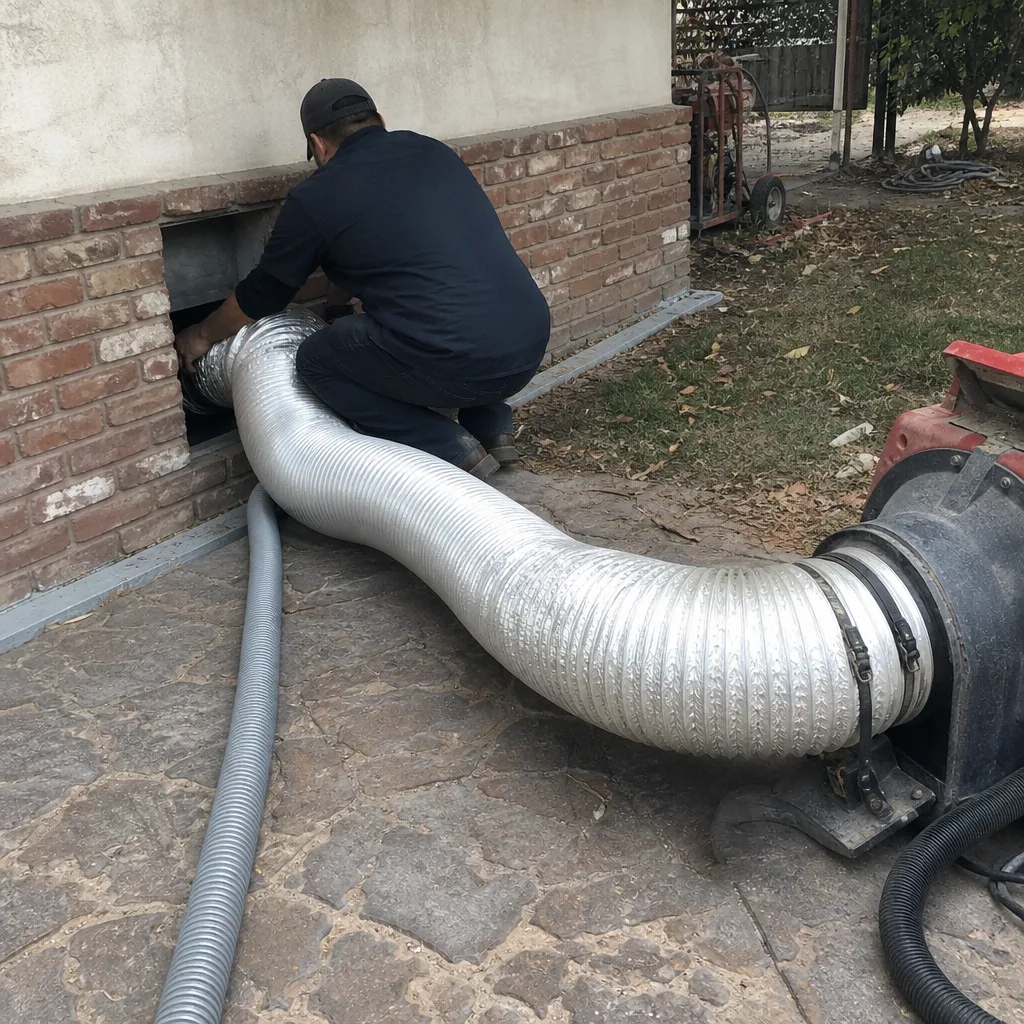 Before
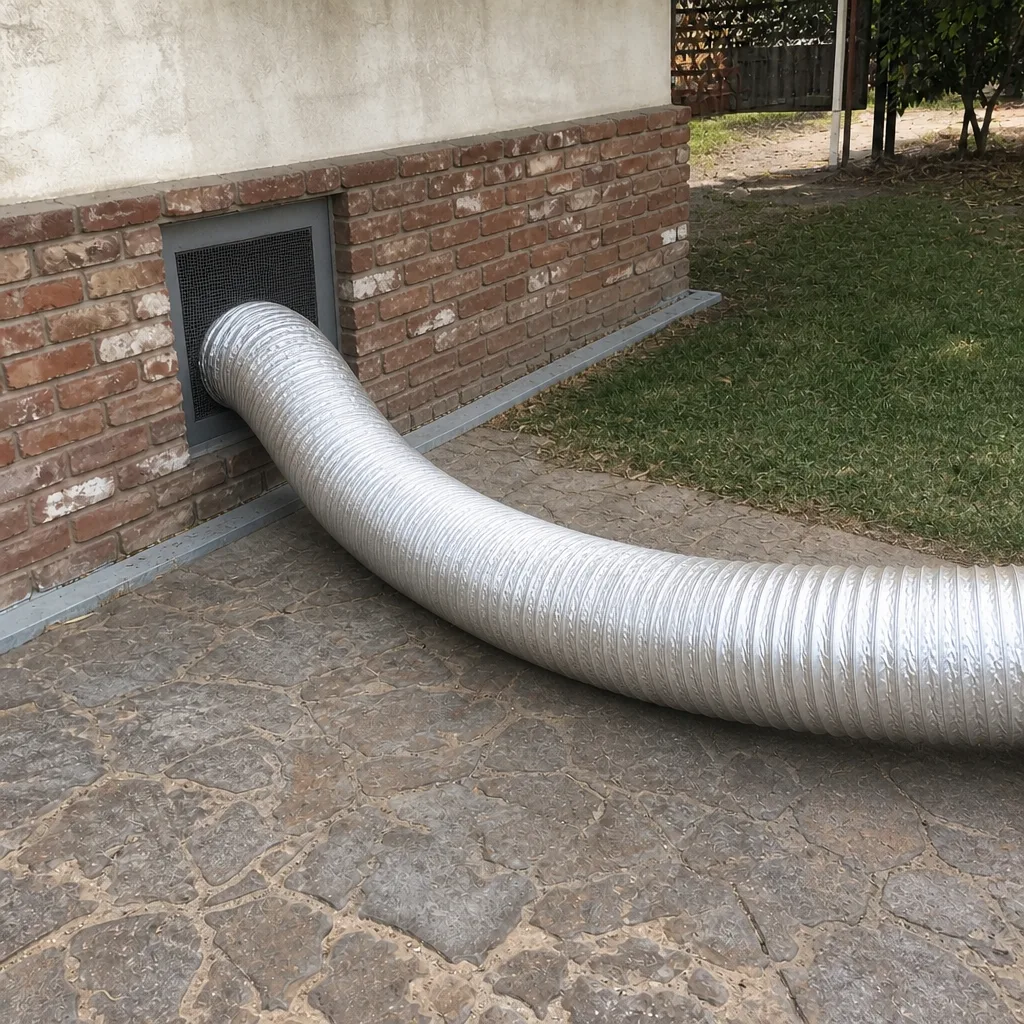 After
When to Call a Professional
Some situations call for a professional look rather than another DIY filter change. Call us if you see visible dust puffing from a supply register when the system starts, if a family member’s allergies or asthma worsen indoors, if your home recently finished a renovation or you just moved in and can’t document prior service, or if you notice a musty or stale smell that doesn’t clear. Older flex duct that sags, tears or shows visible damage is worth an inspection, and any sign of a slow-drying dryer or a hot vent is a safety prompt to check that vent right away. Duct Cleaning Visalia offers free estimates in Visalia – call (855) 970-3448. We answer 24/7. Fast dispatch from 7am to 7pm, Sunday through Friday. The written estimate sets the price per job, so you’ll know the whole figure before any work starts.
Frequently Asked Questions
Most Visalia homes need professional duct cleaning every 2 – 4 years, shorter than the national 3 – 5 year rule because of long cooling run-times, valley dust and wildfire smoke seasons. Homes with pets, allergy sufferers, recent renovation or older flex duct often land on the shorter end. Track filter loading and register dust to confirm when your system actually needs service. Call (855) 970-3448 for an exact quote – estimates are free.
Cheap quotes usually skip the equipment that actually removes debris – contact tools like a rotary brush and a HEPA-rated vacuum with containment running during the work. A low figure often means a light surface pass or per-vent pricing that grows once a technician is on site. We give one flat price per system agreed before work starts, plus before-and-after photos of your own ducts so you can see the difference. Call (855) 970-3448 for a free estimate.
Duct cleaning is priced per system, not per vent, so the whole-home figure depends on the size and condition of the ductwork. Get a written estimate based on an actual inspection rather than a teaser figure – that’s the number that matters. Call (855) 970-3448 and we’ll quote your specific system – estimates are free.
Ask for before-and-after photos of your own ducts and for a look at the debris that comes out during cleaning. Proper cleaning uses visible equipment – a rotary brush and HEPA vacuum with containment – and repairs any damaged sections on the same visit. You should be able to see the evidence, not just take a technician’s word. Call (855) 970-3448 to schedule an inspection.
Yes. A filter that captures fine particulate keeps more debris out of the ductwork, which slows buildup and lengthens your cleaning interval. Match the filter rating to what your system can handle without restricting airflow, and keep the filter slot sealed. We recommend name-brand filtration products from Honeywell and Aprilaire for ongoing protection. Call (855) 970-3448 for guidance on your system.
No – dryer vents are a separate annual item. The U.S. Fire Administration recommends annual dryer vent cleaning as a fire-prevention measure, and a clogged vent also slows drying. Treat it as its own fixed line on your maintenance calendar, distinct from duct cleaning. Call (855) 970-3448 to book dryer vent cleaning on its own.
The Bottom Line
The right duct cleaning schedule in Visalia is built from your house, not copied from a national chart. Long cooling run-times, San Joaquin Valley dust and wildfire smoke seasons usually compress the interval to 2 – 4 years, with pets, allergies, renovation or aging flex duct pushing it shorter. Filtration is your biggest lever between visits – upgrade within what your system supports and keep a filter log. Check registers monthly, clean the dryer vent annually, and let evidence drive the next appointment. Air you can’t see deserves equipment you can trust, and a schedule you can actually justify.
Ready to find out what your system really needs? Call Duct Cleaning Visalia at (855) 970-3448 for a free estimate. We answer 24/7. Fast dispatch from 7am to 7pm, Sunday through Friday. Your ducts. Cleaned. Repaired. Done.
Written by the team at Duct Cleaning Visalia.