
Last updated November 15, 2026
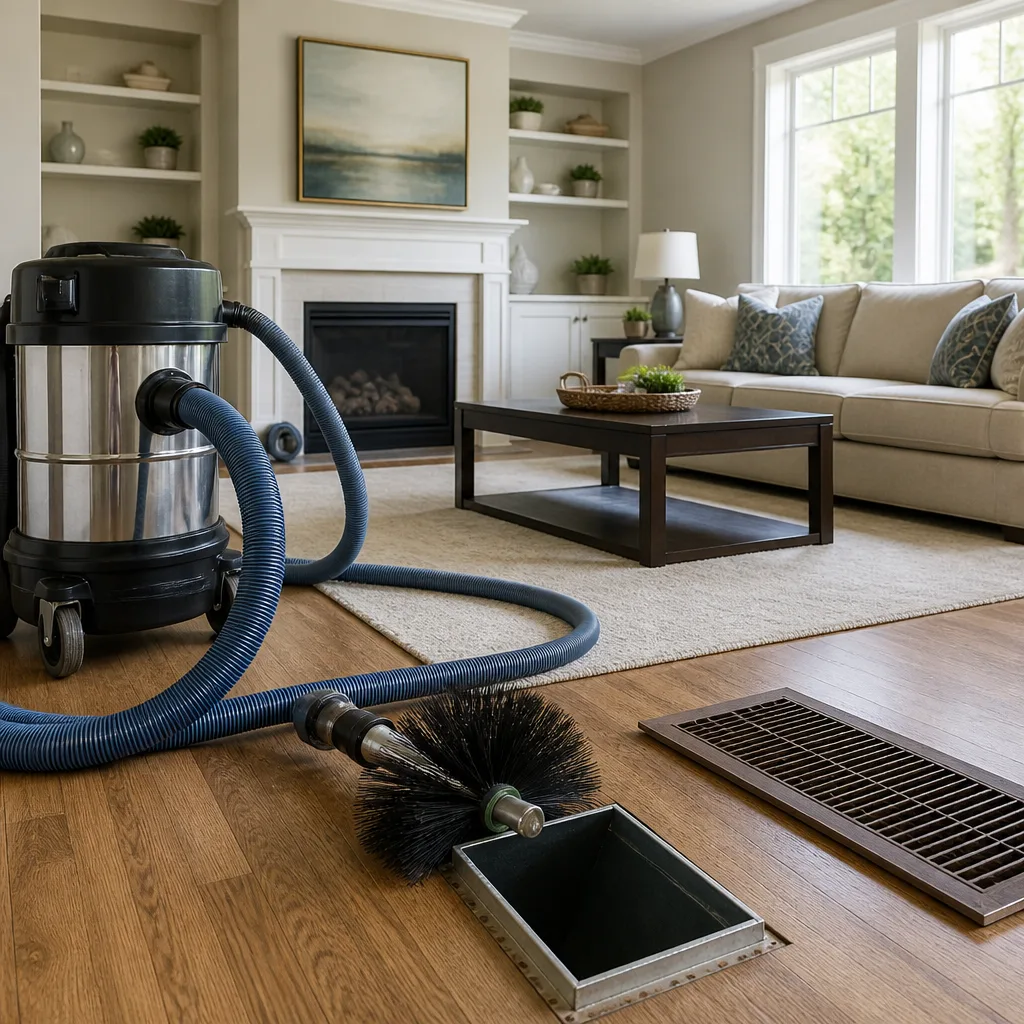 Whole-home duct cleaning
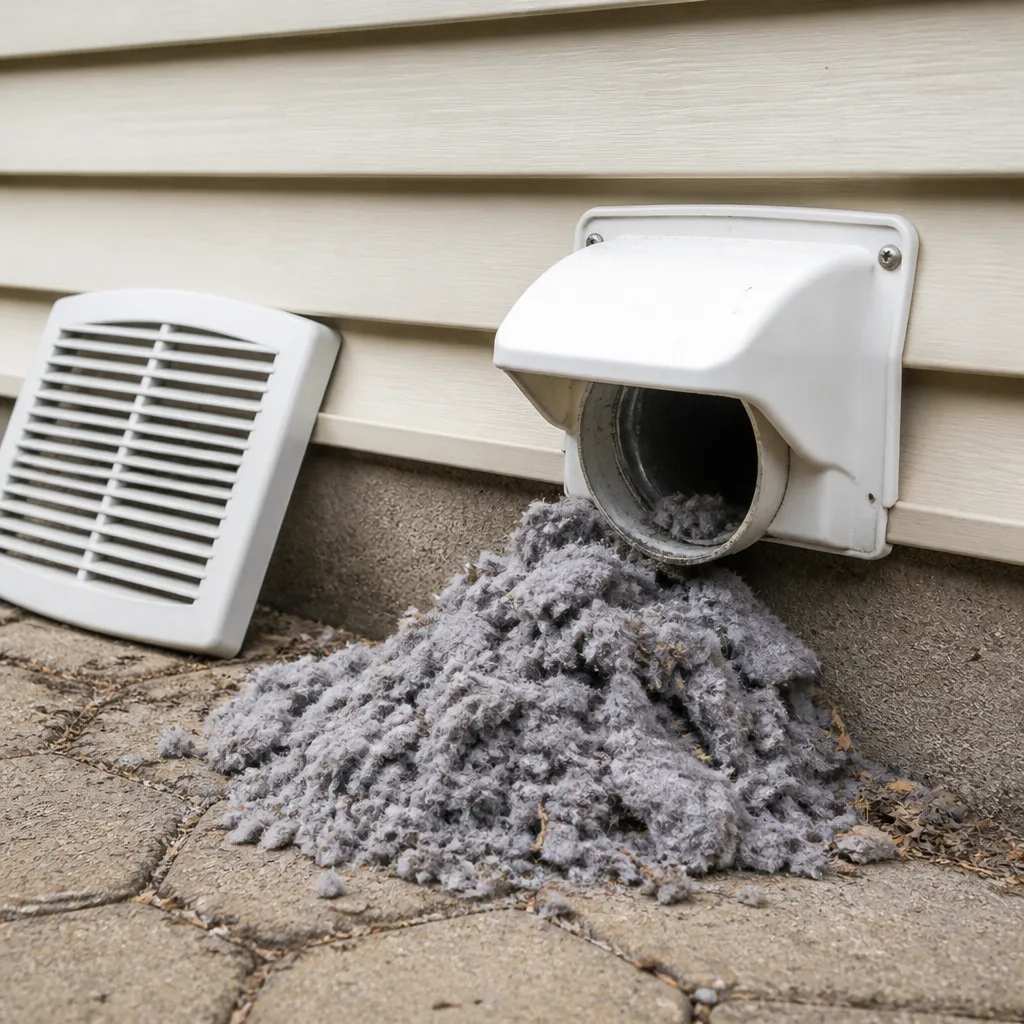 Dryer vent cleaning
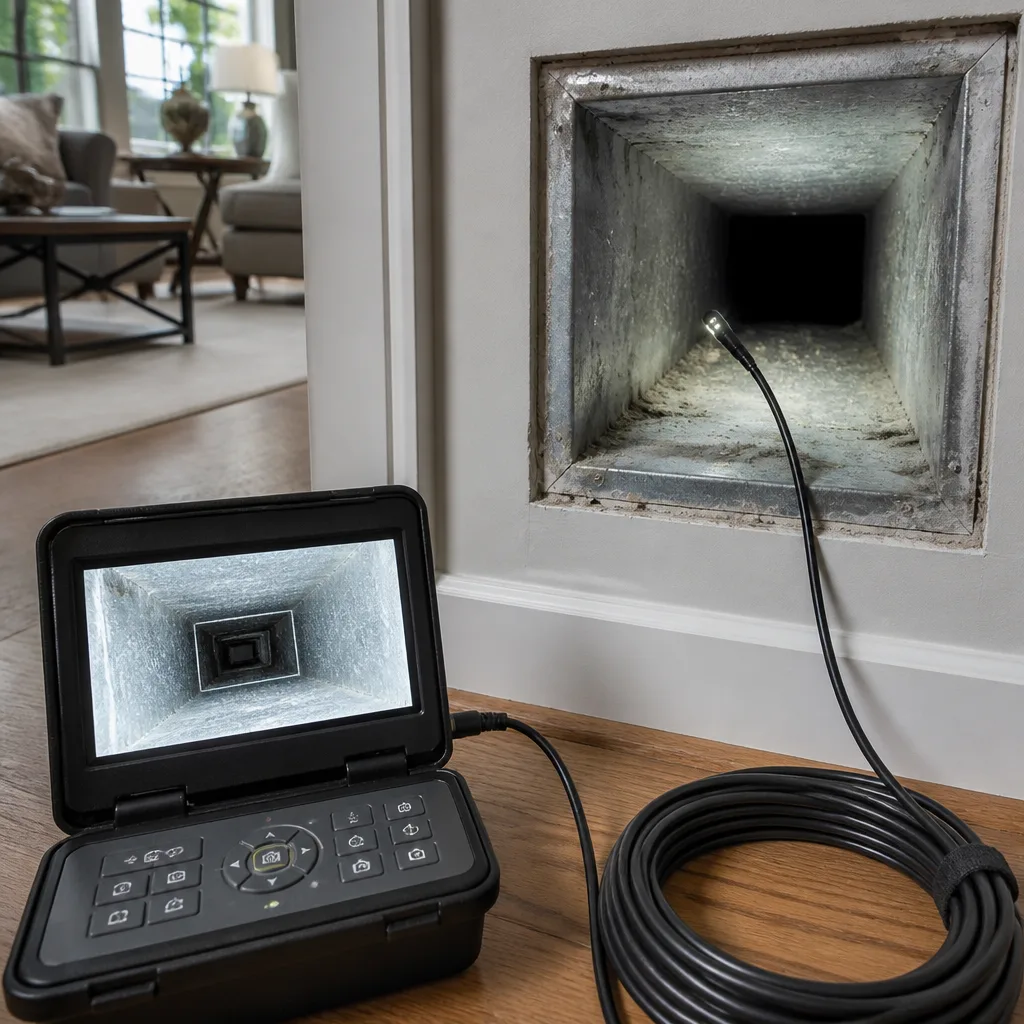 Camera inspection
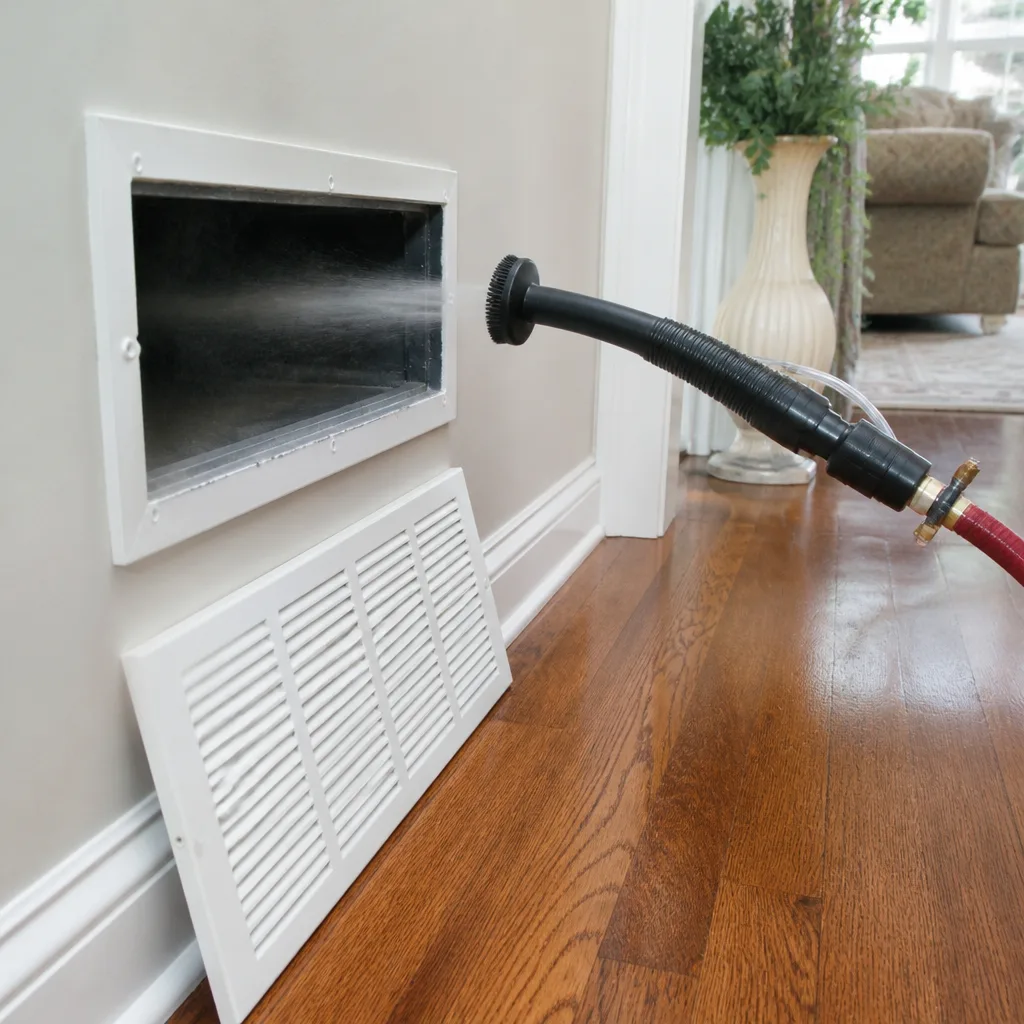 Sanitizing & deodorizing
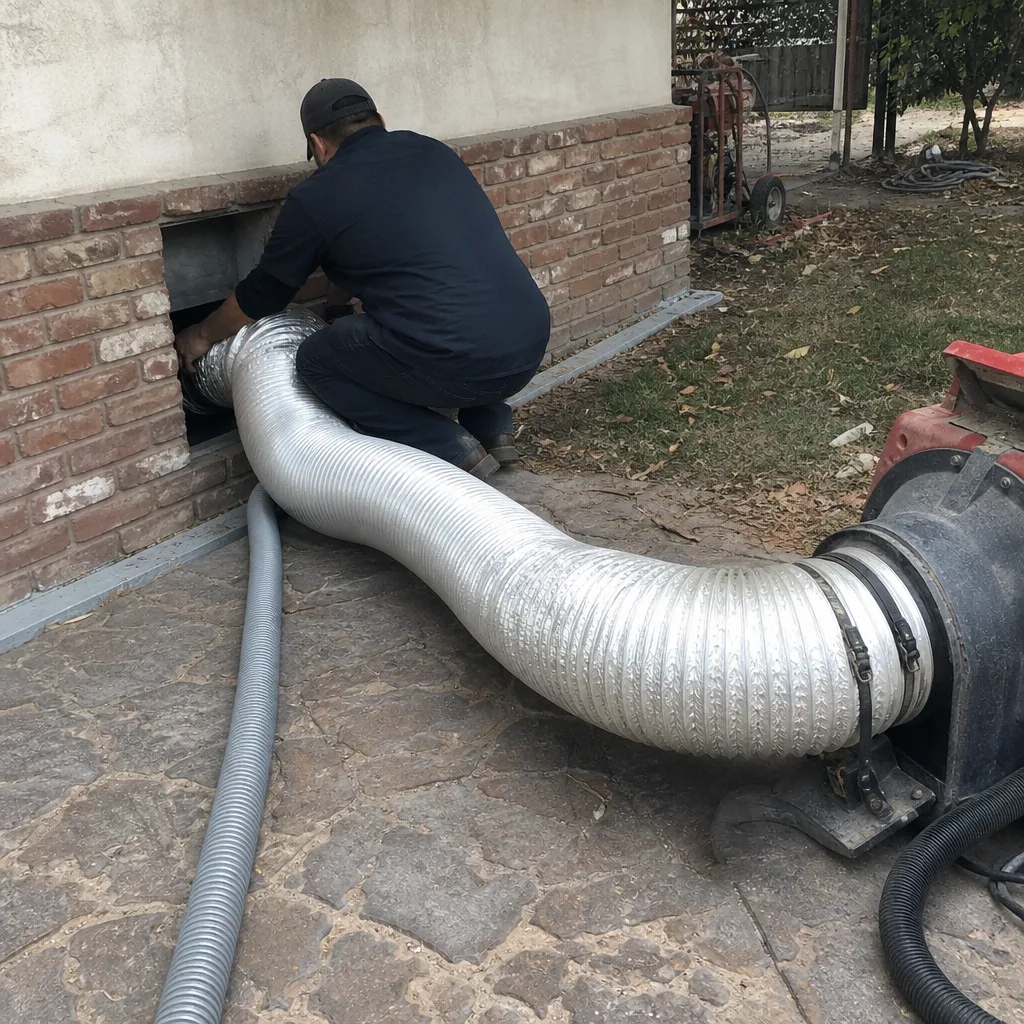
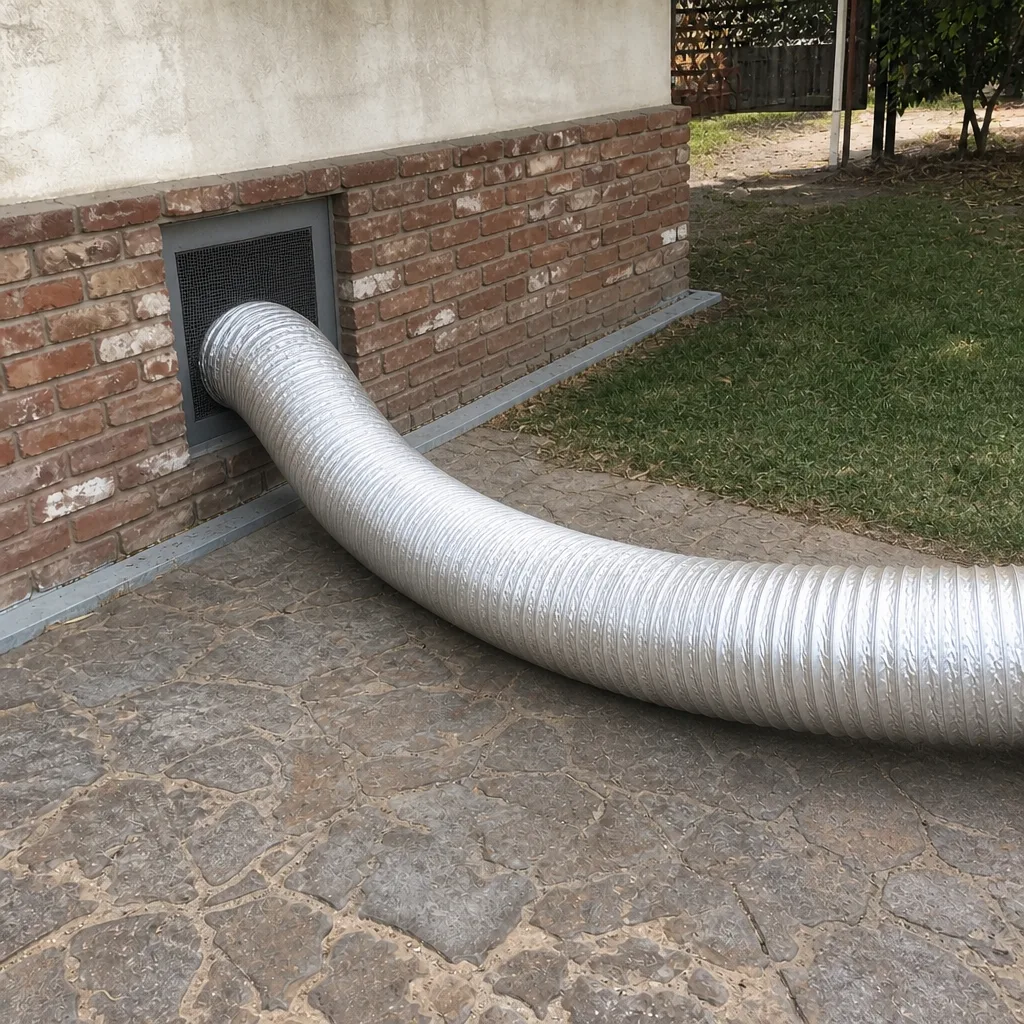
Whole-system duct and dryer vent check with before-and-after photos - you see exactly what came out of your vents
That "$99 whole-house special" is a bait ad - the real number appears once they are in your hallway, or the "clean" is a shop-vac at the register. We photograph the inside of your ducts before and after instead.
Air Duct Cleaning Maintenance Checklist for Visalia Homeowners
A dirty air filter is only the visible tip of a problem you can’t see. By the time that filter looks clogged, the supply plenum behind your furnace has often been collecting a mat of dust for months, and the air that reaches your bedrooms has been picking up particles the whole time. Most duct maintenance checklists are built for the technician holding the rotary brush, not for the person paying the bill. This guide flips that. Here’s what a Visalia homeowner can actually observe, measure, photograph and log between professional cleanings to protect both the equipment and the air everyone breathes.
Quick Answer
A workable duct maintenance checklist for a Visalia home has four moving parts: a room-by-room vent inspection you run with a flashlight and phone camera, a filter swap schedule tied to the valley’s agricultural dust and wildfire smoke seasons rather than generic quarterly advice, a simple written log of airflow and utility-bill changes, and photo documentation before and after every professional cleaning. Run the visual checks monthly, swap filters on a season-based schedule, and book professional cleaning when the observations start stacking up rather than waiting for a visible dust plume.
Styles & brands we work with
- Whole-home duct cleaning
- Dryer vent cleaning
- Camera inspection
- Sanitizing & deodorizing
Table of Contents
- Why Most Duct Checklists Miss the Point
- The Room-by-Room Vent Inspection Protocol
- A Filter Schedule Built for Visalia’s Air
- Logging Airflow Changes Before They Become Emergencies
- What to Document Before and After a Cleaning
- Reading Red-Flag Smells: Musty, Burnt, Chemical
- A Seasonal Walkthrough for Valley Homes
- Common Mistakes to Avoid
- When to Call a Professional
- Frequently Asked Questions
Why Most Duct Checklists Miss the Point
Search for a duct maintenance checklist and you’ll get the same recycled list: change the filter, vacuum the registers, schedule a cleaning every few years. That advice isn’t wrong, but it’s written from the technician’s side of the work order. It tells you what the professional does, not what you can verify in the fourteen months between visits. A homeowner in Visalia who follows that generic list has no way to notice a gradual restriction building in one branch line until the back bedroom stops heating properly in January.
The better model treats your duct system like any other invisible infrastructure in the house: something you monitor with a few cheap tools and a habit of writing things down. A flashlight, a phone camera, a notebook or a notes app, and a willingness to look inside every register once a month is genuinely enough. What you’re building is a baseline. Once you know what normal looks like at each vent in your house, the abnormal becomes obvious instead of a slow mystery.
This matters more in the San Joaquin Valley than in most places. Visalia sits in one of the most productive agricultural regions in the country, and the surrounding orchards and fields put fine dust into the air through much of the year. Add wildfire smoke episodes from surrounding foothills and you have a home that pulls more airborne particulate into its return system than a house in a wet, forested climate. Ducts here load up differently, and the maintenance rhythm should reflect that.
The Room-by-Room Vent Inspection Protocol
This is the core of the checklist and the part almost nobody does. Once a month during heating and cooling season, walk every room with a flashlight and your phone. Fifteen minutes covers most homes. The goal is comparison: you’re checking each vent against what that same vent looked like last month and against the other vents in the house.
- Pop the register grille and look inside with the flashlight. You’re looking at the first six to twelve inches of the branch duct. A light, even film of dust is normal. What isn’t normal is a visible mat, clumps of lint hanging from the edges, or a coating thick enough to hide the metal or flex liner surface.
- Photograph it. Hold your phone at the opening and take one shot straight in and one at an angle toward the sides. Name the file with the room and the month. The camera catches gradual change your eye forgives week to week.
- Check the return grilles last. Returns pull the most air and collect the most debris. If any single return looks noticeably worse than the supply vents, that’s a signal the filter is loading too fast or air is bypassing it at the frame.
- Wipe one spot with a white paper towel. Light gray smudge, fine. Dark brown or black transfer, and you’re due for a look at the whole system rather than one vent.
- Record the room, the date and one word for what you saw. Clean, film, mat or blocked. Four words are enough. A year of these entries tells you far more than any single inspection.
What warrants a call rather than another month of observation: visible mats in more than one or two rooms, debris that appears to have grown back within weeks of a cleaning, or a vent that blows noticeably weaker than the others on the same floor. That last one usually points to a restriction, a disconnected run or a damper that’s drifted closed, and it’s worth diagnosing before it strains the blower.
A Filter Schedule Built for Visalia’s Air
Generic advice says change the filter every three months. In Visalia that calendar is too blunt. Your filter’s real enemy is what’s in the air on any given week, and the valley’s air changes character several times a year. A schedule tied to those seasons beats a fixed quarterly reminder.
- Late winter into spring, dust season. Field preparation and orchard work put fine soil particulate into the air across the valley floor. This is when a standard one-inch filter loads fastest. Check it monthly and expect to replace it more often than the packaging suggests.
- Summer, cooling season with closed windows. The house runs on recirculated air for months. Filter loading continues steadily even though the air outside looks clear. Check monthly.
- Late summer and fall, wildfire smoke risk. When smoke settles into the valley, run the system on recirculation with windows shut and check the filter weekly. A filter that’s doing its job during a smoke event will darken fast, and a loaded filter stops being an air-quality tool and becomes a restriction.
- Winter, heating season. Milder than most of the country, but the furnace still runs and the filter still loads. Monthly checks are fine.
Filter thickness changes the rhythm. A one-inch filter is a frequent-swap item, and trying to stretch it is a false economy. A four- or five-inch media cabinet filter holds more dust and lasts longer, but it should still be inspected on the same monthly habit. If you upgrade to a higher-MERV filter, watch for airflow complaints in the weeks after, because a filter the blower can’t pull through cleanly will starve the system. We recommend and supply brand-name filtration from Honeywell and Aprilaire so the filter fits the cabinet and the system was designed for the restriction load.
Logging Airflow Changes Before They Become Emergencies
Airflow is the cheapest diagnostic you have, because you already own the sensors: your hand and your comfort. The trick is writing down what you feel so that change becomes visible instead of gradual. Keep a single page, paper or digital, with four columns: date, room, what you noticed, and the utility bill that month.
- Do the hand test at each supply register. Hold your palm a few inches away. You’re not measuring cubic feet per minute, you’re memorizing the feel of a good vent in your own house. Note any vent that feels weaker than the others on the same floor.
- Note hot and cold rooms by name. When the back bedroom or the room over the garage starts running a few degrees off, write it down with the date. One warm room in August is nothing. The same room getting progressively worse over two seasons is a duct restriction telling you something.
- Watch the utility bill as a trend, not a number. You’re looking for a rise that isn’t explained by weather or a rate change. A system fighting a restricted duct runs longer to hit the same thermostat setting, and that shows up in the bill before it shows up anywhere else.
- Listen on startup. A whoosh at the registers when the blower kicks on is normal. Whistling, rattling or a whistle that gets sharper over the season points to a partially blocked or leaking run.
- Review the page once a season. Four times a year, read back through your entries. Patterns you’d never notice week to week become obvious when they’re stacked in one column.
In our experience, the calls that turn into genuine emergencies start as a logged note six months earlier: one weak vent, one room that got hotter each summer, one bill creeping up. The log is what turns a slow restriction into a scheduled fix instead of a blower motor replacement.
What to Document Before and After a Cleaning
Any professional air duct cleaning should be verifiable, and the homeowner’s job is to make verification possible. Before the appointment, set a baseline. Afterward, capture the comparison. This protects you and it makes your next inspection meaningful, because you’ll know exactly what “freshly cleaned” looked like in your own home rather than guessing.
Before the visit:
- Photograph every register opening, return grilles included, with a date stamp. Include the grille top and the inside of the boot.
- Note the current filter brand, size and install date, and photograph it in place.
- Write down your handful of problem rooms and any airflow complaints so the technician can focus on those runs.
- Note any vents you consider weak so the crew can confirm or rule out a restriction.
After the visit:
- Photograph the same registers at the same angles. Before-and-after of your own ducts is the honest proof that the work happened in the rooms you care about.
- Ask for photos of the inside of the main trunk and plenum, not just the vent openings, if the crew didn’t offer them.
- Record the date, what was cleaned, and any repairs made to the report.
- Note the filter install date and log the new baseline into your monthly inspection page.
This is where equipment matters, and it’s worth knowing what to ask about. A rotary-brush system like Rotobrush reaches surfaces a shop-vac can’t, and a HEPA-rated vacuum rig like Nikro captures fine particulate instead of blowing it back into the room. Containment during the job matters just as much: we run Abatement Technologies filtration during service so dislodged debris stays captured while it’s being cleaned rather than recirculating through the house. Ask any company what containment they use. If the answer is vague, so is the result.
Reading Red-Flag Smells: Musty, Burnt, Chemical
Your nose is a legitimate diagnostic tool, and the type of smell tells you something specific about what’s going on inside the ductwork. Treat any recurring smell as a checklist failure worth investigating, not something to mask with a plug-in.
Musty or earthy. This usually points to moisture somewhere in the system: a damp section of flex duct, condensation around a cooling coil, or debris that’s been wet long enough to support biological growth. In Visalia the trigger is often cooling-season condensation or a roof or plumbing leak that reached the duct chase, not the dry outdoor air. Don’t ignore it, and don’t cover it with an air freshener, which just adds to the load.
Burnt or scorched. Stop and pay attention. A burnt smell when the heat or blower starts can come from the furnace itself, a failing blower motor, or debris touching a heat source. Turn the system off and have it checked before running it again. Duct cleaning doesn’t fix a mechanical fault, and no cleaning should proceed until the source is identified.
Chemical or solvent-like. This can mean off-gassing from new materials, a spill that reached a return, or something stored near the air handler. It’s also the smell to flag if you’ve recently renovated, because construction dust and fumes travel straight into the returns. A renovation is one of the strongest reasons to book a cleaning once the work is done.
Dry, dusty, “old house” smell on startup. The mildest of the group, and often just accumulated dust in the ducts and on the blower. It’s the usual sign that a cleaning is overdue rather than a red flag on its own.
Log the smell and when it appears, at startup or continuously, because that timing tells a technician where to look. If a musty smell shows up in one room only, the problem is likely local to that branch line. Whole-house smells point upstream toward the plenum or the air handler.
A Seasonal Walkthrough for Valley Homes
Duct maintenance in Visalia runs on a different calendar than in a cold, wet climate. Mild winters mean the heating season is shorter, the cooling season is long, and windows stay shut through the hottest months. That shapes when the system works hardest and when it’s best to have professional work done. Here’s a simple four-season rhythm to fold into your monthly checks.
- Spring: Expect the dust season. Check the filter monthly, inspect every vent, and photograph the openings. If you’re planning a cleaning this year, this is a good window before cooling season pushes the system hard.
- Summer: The cooling season runs long, and windows stay shut. Keep the log going, watch for progressively warmer rooms, and check the filter weekly during any smoke event.
- Fall: Review the year’s log and decide whether the observations add up to a cleaning. If wildfire smoke has been heavy, the filter will have loaded faster than usual, so check it and replace it as needed.
- Winter: Heating season is short and mild, which makes it a good time to book a cleaning and get ahead of the year. Check the filter monthly. If a dryer vent is part of your routine, this is a good season to have it cleared.
Dryer vents belong on the same seasonal rhythm, and they’re the one item on the list with a genuine fire-safety reason behind it. The U.S. Fire Administration recommends annual dryer vent cleaning as a fire-prevention measure. A clogged vent traps lint and heat, and it’s the kind of problem that gets ignored because nothing visible is failing. We offer dryer vent cleaning as a standalone service precisely because it’s too often left off the maintenance list.
See the difference
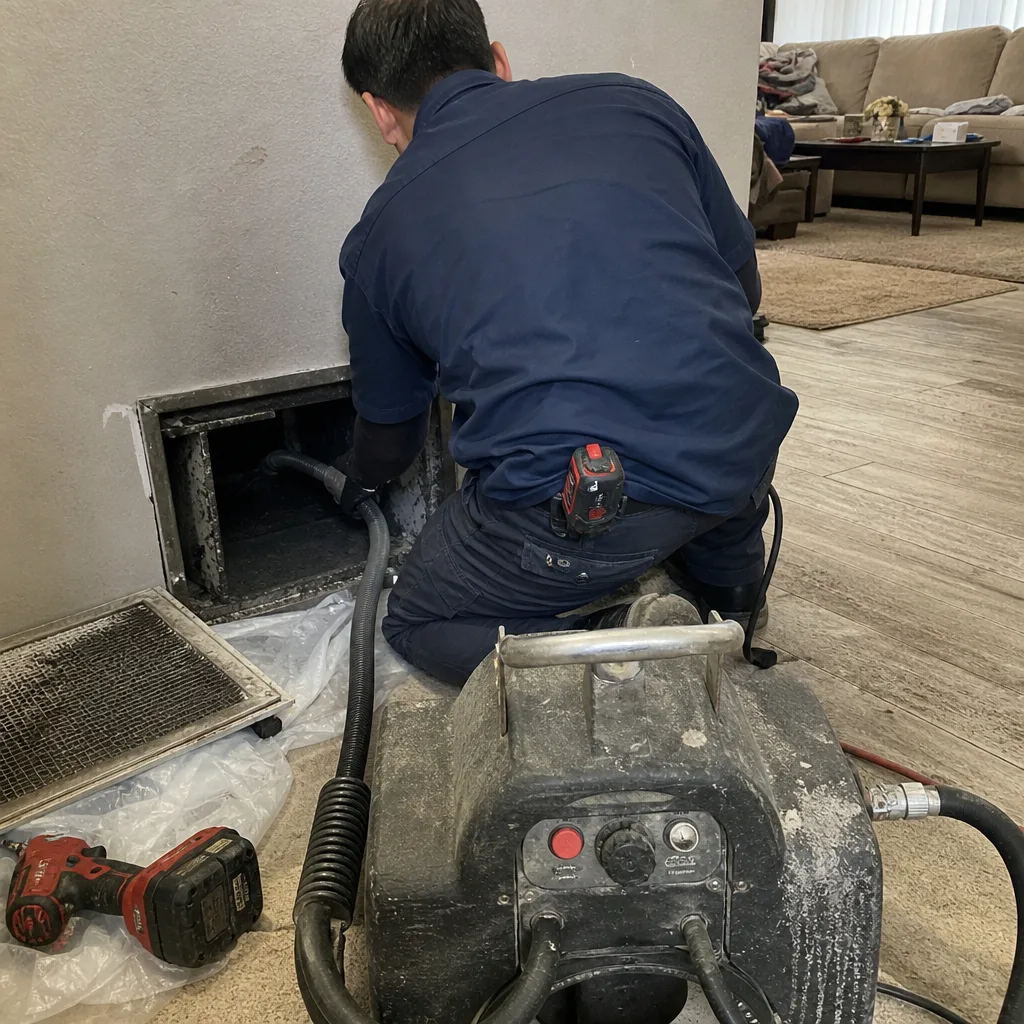 Before
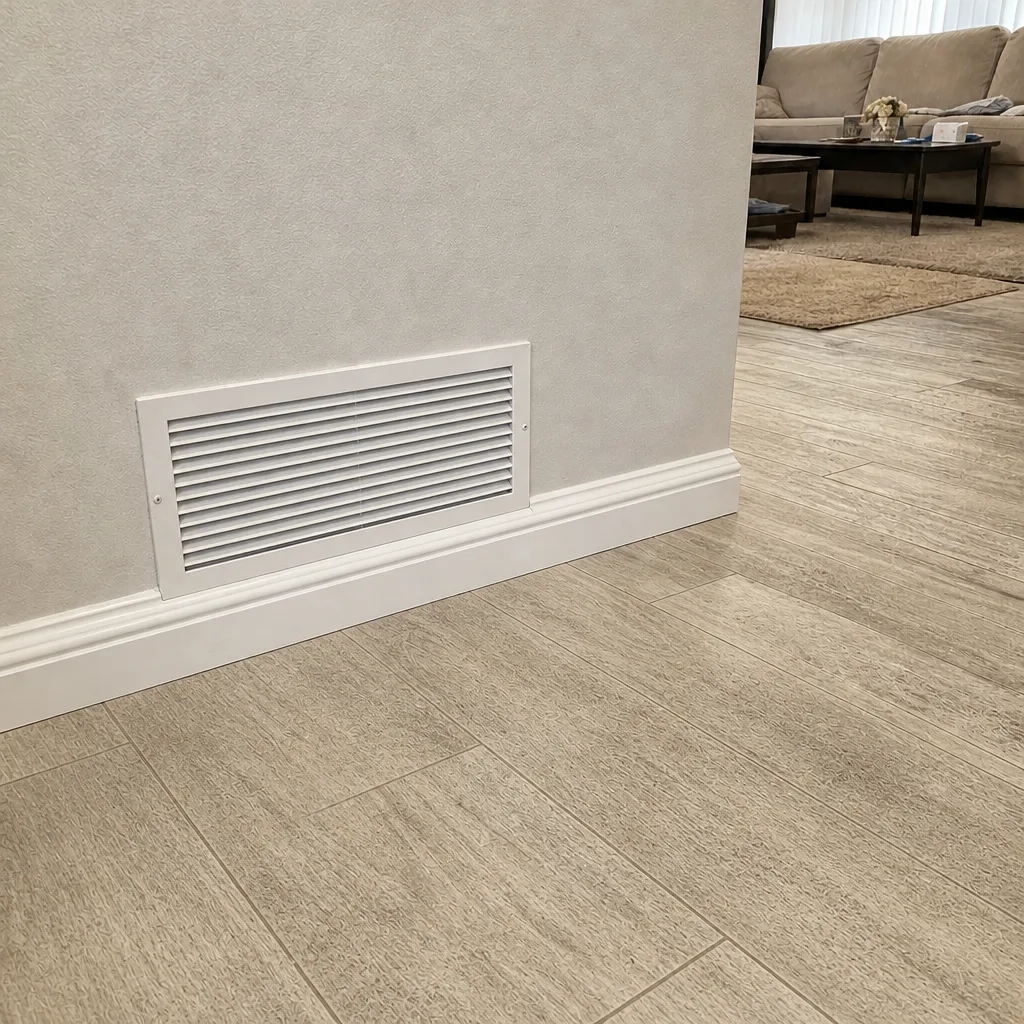 After
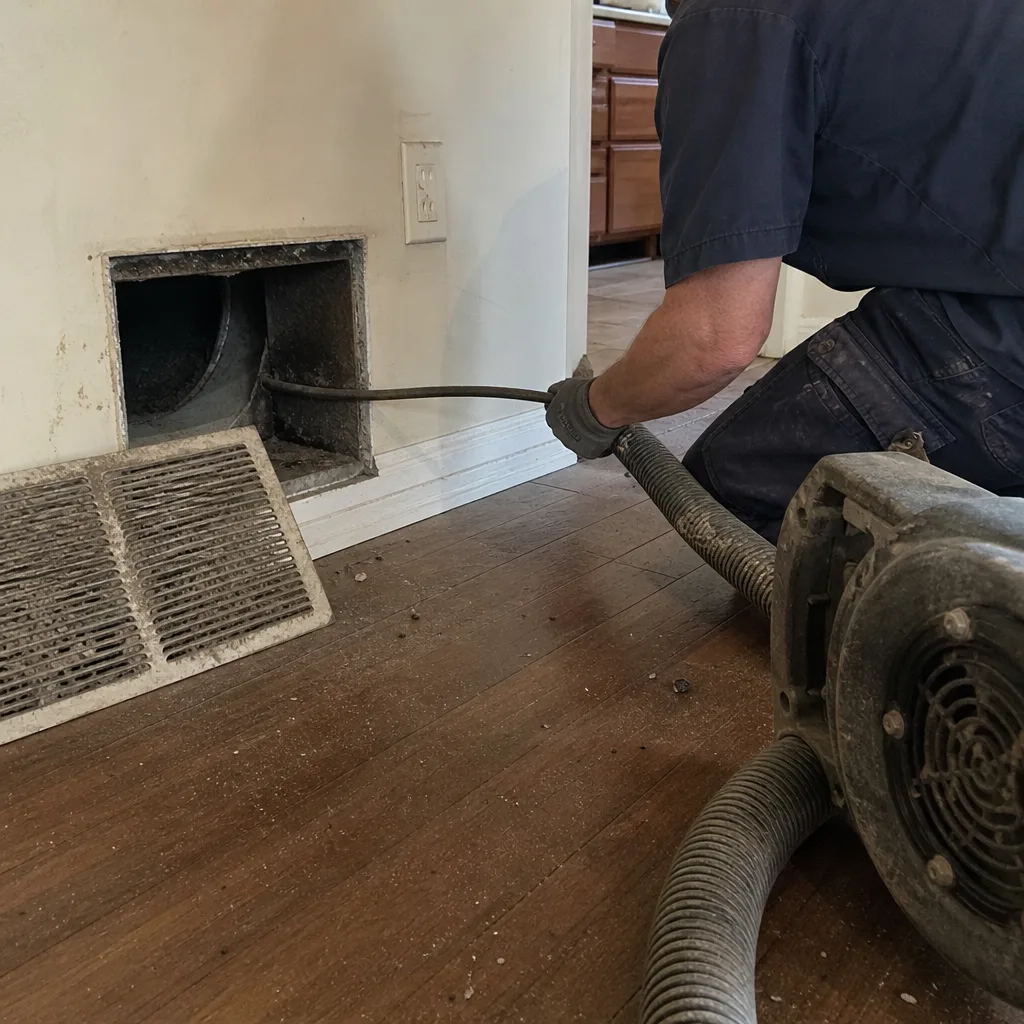 Before
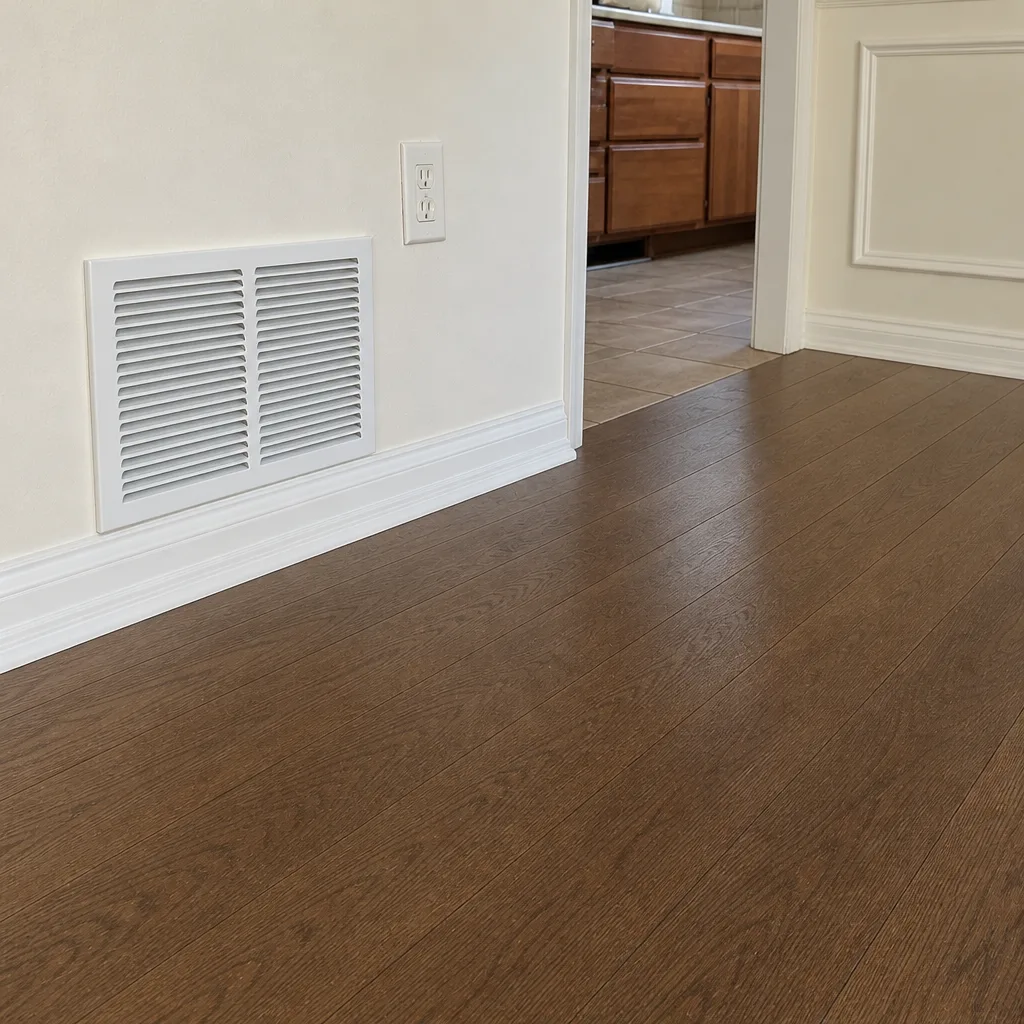 After
 Before
 After
Common Mistakes to Avoid
- Treating the filter as the whole system. A clean filter is necessary but says nothing about the dust sitting in the plenum and branch lines. Check the vents too, or you’ll be changing filters on a system that’s already loaded downstream.
- Stretching a one-inch filter past its life. Running a loaded filter to save a few dollars restricts airflow and strains the blower. In Visalia’s dust season especially, a filter can be finished well before the calendar says so.
- Choosing a quote on price alone. A very low bid usually means no containment, a shop-vac rather than a HEPA rig, and no rotary brush. If the equipment isn’t described and the containment isn’t mentioned, ask before you book.
- Cleaning during a renovation, not after. Book the cleaning once construction dust has settled, or you’ll pay twice. Renovation debris is one of the heaviest loads a residential system sees.
- Ignoring a musty smell. Masking it with an air freshener hides the signal without solving the moisture. A recurring musty smell means something in the system is wet.
- Skipping documentation. Without before-and-after photos and a dated log, you have no way to judge whether the cleaning worked or whether a new problem is developing. The record is what makes maintenance meaningful.
- Assuming a cheap blower pass counts as cleaning. A quick pass through the registers without reaching the trunk, plenum and branch surfaces leaves the bulk of the debris where it was. Ask what gets cleaned, and expect an honest answer.
When to Call a Professional
Book a professional cleaning when your own observations point to a system that’s loaded beyond what routine maintenance handles. That means visible mats at more than a couple of vents, debris that returns within weeks of the last cleaning, a musty smell that keeps coming back, a logged pattern of weak vents or warming rooms, or a recent renovation that left construction dust in the returns. If you’ve just moved into a Visalia home and don’t know the duct history, a professional assessment gives you a baseline the monthly checklist can build on. If a smell is burnt or electrical rather than dusty, stop running the system and get it checked before doing anything else. Repair matters too: a leaking or disconnected run should be fixed at the same visit, and we handle structural air duct repair alongside cleaning so the fix and the clean happen together. Duct Cleaning Visalia offers free estimates – call (855) 970-3448.
Frequently Asked Questions
Most homes in Visalia benefit from a professional cleaning every few years, but the right interval depends on your household rather than a fixed calendar. Agricultural dust, wildfire smoke, pets, recent renovations and allergy or asthma in the family all shorten the interval. Use your monthly vent inspections and airflow log to decide rather than a number on a brochure.
Duct cleaning is priced per system, not by the vent, and the total depends on the size and layout of the ductwork and the condition it’s in. We quote one flat price per system before any work starts, based on a written estimate, so the number you agree to is the number you pay. Call (855) 970-3448 for an exact quote – estimates are free.
The low end of this market usually skips the equipment and the containment. A bargain bid often means a shop-vac rather than a HEPA rig, no rotary brush to reach duct surfaces, and no containment to keep dislodged debris out of your air during the job. Ask any company what equipment and filtration they’ll bring, and treat a vague answer as a red flag. Call (855) 970-3448 to ask what we bring and why.
Ask for before-and-after photos of your own ducts, taken at the same registers and inside the main trunk. We provide photos of your ducts, not stock images, and one flat price agreed in writing before work starts. Your own dated inspection photos are the second check, because you know what each vent looked like going in.
It can, yes. The valley’s agricultural dust and periodic wildfire smoke put more fine particulate into the air than many climates, and homes here run on recirculated air with windows shut through a long cooling season. That combination loads filters and ducts faster, which is why a season-based filter schedule beats generic quarterly advice.
A recurring musty smell usually means moisture somewhere in the system, not just dust, and it should be investigated before it gets worse. Cleaning removes the debris and we can repair damaged or leaking sections at the same visit. Call (855) 970-3448 to book an assessment – we answer 24/7.
The Bottom Line
Duct maintenance for a Visalia home comes down to a few habits you can run yourself: inspect every vent monthly with a flashlight and phone camera, swap filters on a schedule built around agricultural dust and wildfire smoke, log airflow and bill changes so patterns surface, and document before-and-after photos of your own ducts around any professional cleaning. Do that and the professional visits get scheduled, not panicked. Where the checklist points to a loaded system, a musty smell or a failed run, book air duct cleaning and have the repair done in the same visit. For a baseline, read more about what we do across Visalia, and start with the team at Duct Cleaning Visalia.
Your ducts. Cleaned. Repaired. Done. Call (855) 970-3448 for a free estimate. We answer 24/7. Fast dispatch from 7am to 7pm, Sunday through Friday. Our technicians have up to 15 years of experience, and we run professional-grade equipment, not DIY blowers.
Written by the team at Duct Cleaning Visalia.