
Last updated November 15, 2026
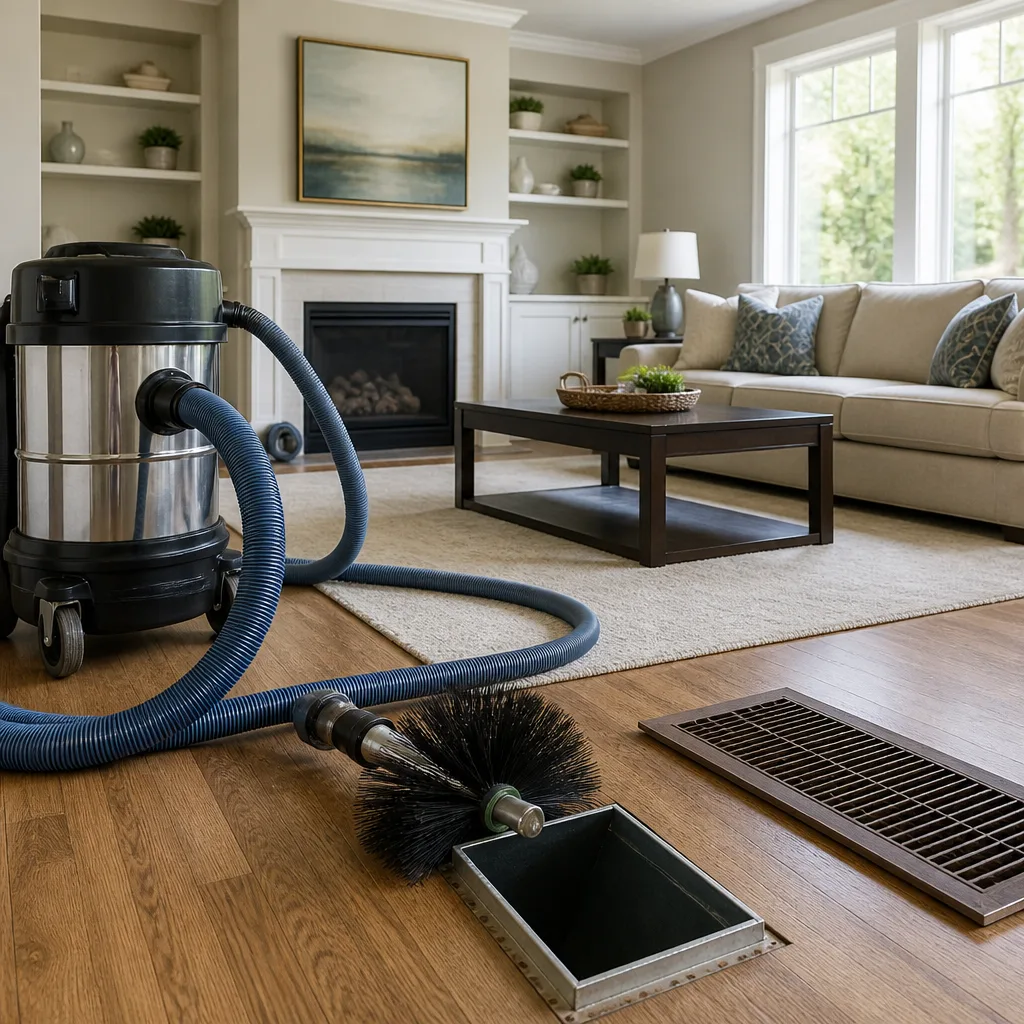 Whole-home duct cleaning
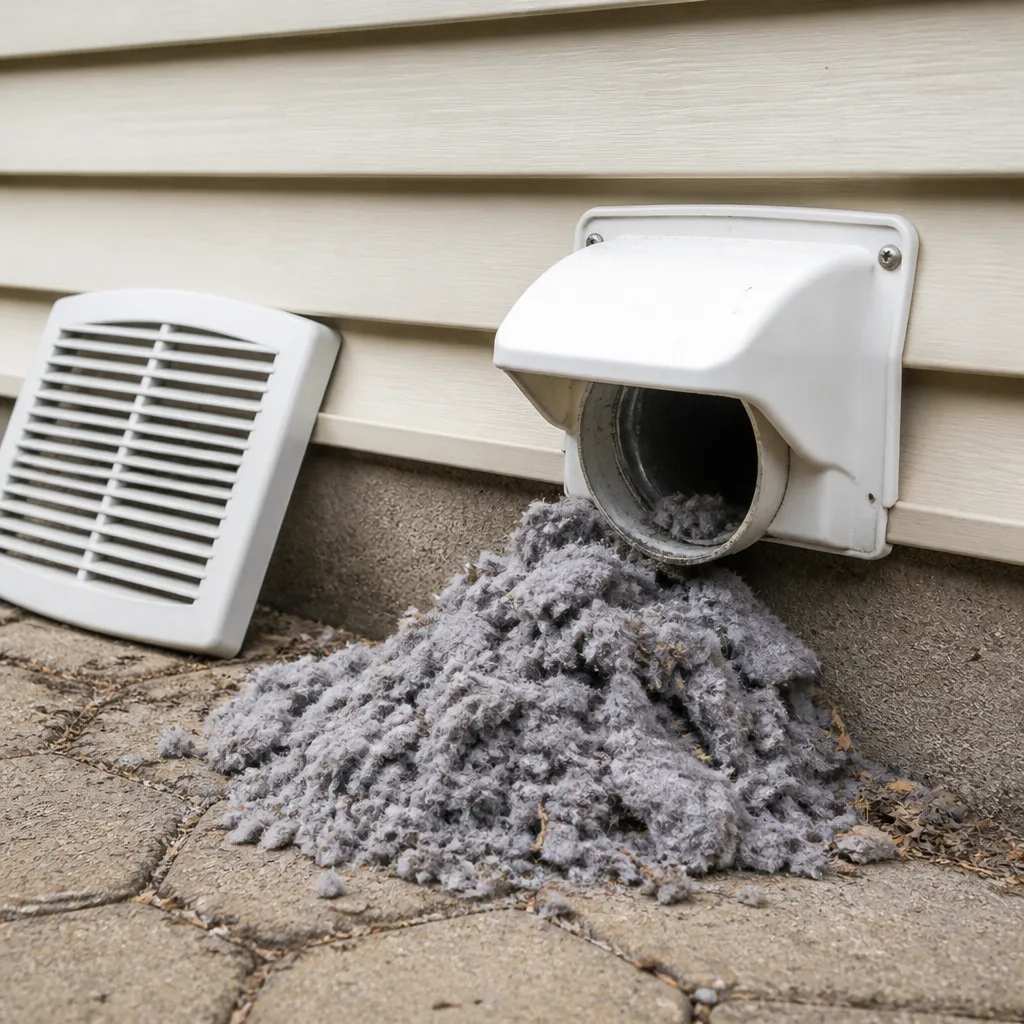 Dryer vent cleaning
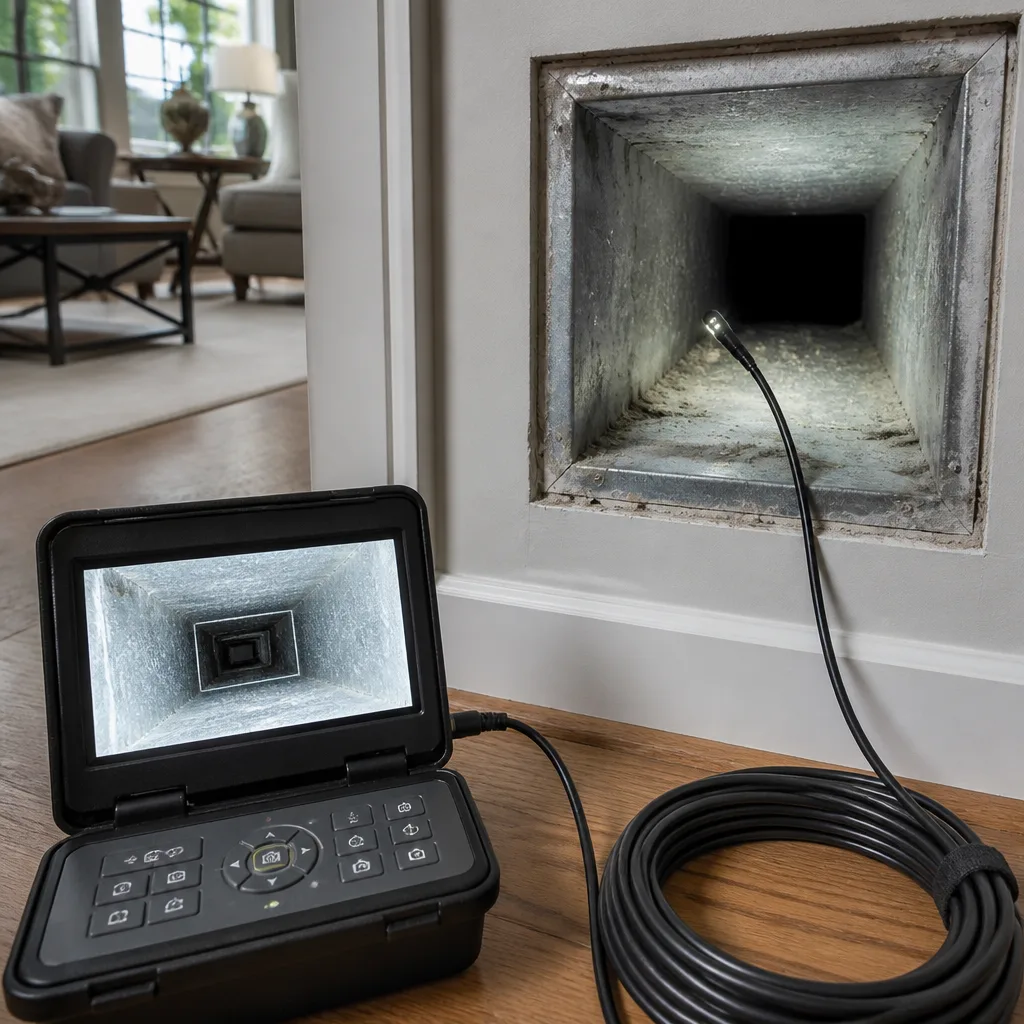 Camera inspection
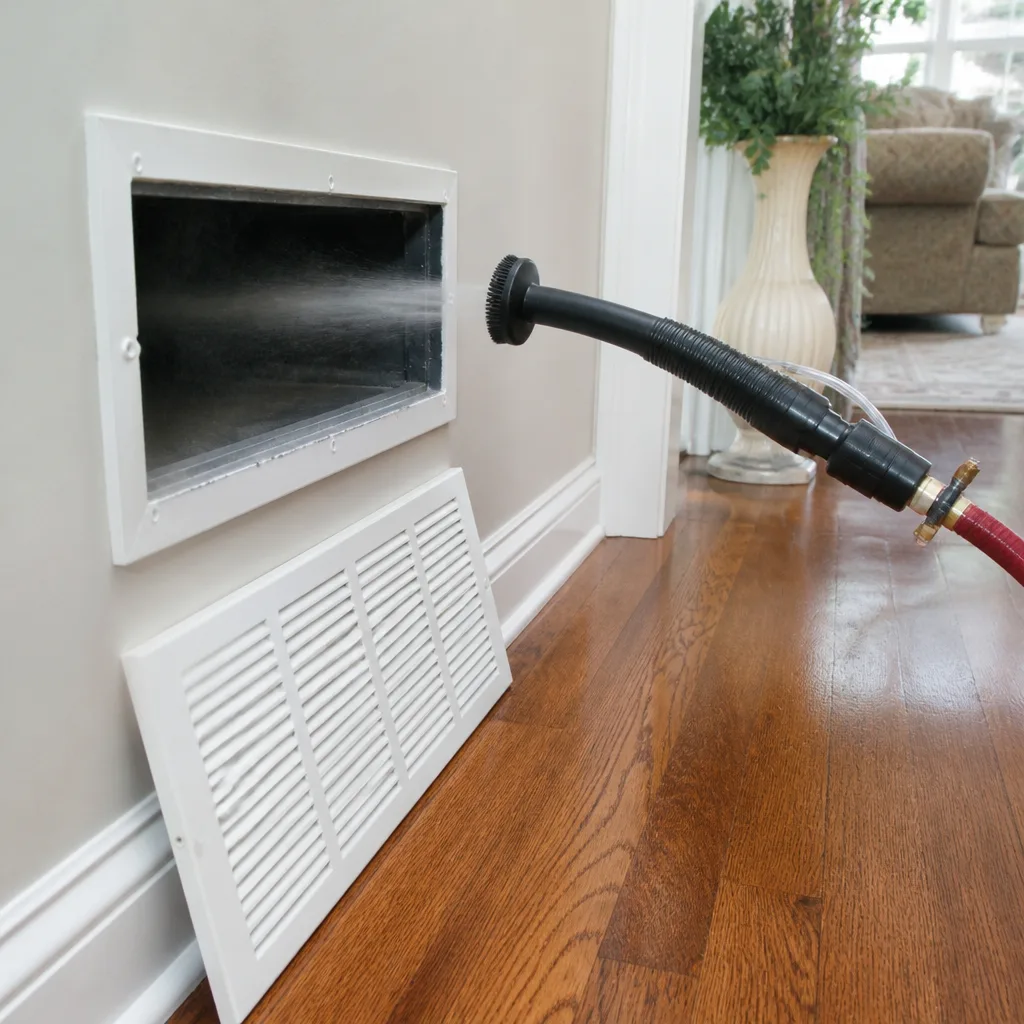 Sanitizing & deodorizing
Whole-system duct and dryer vent check with before-and-after photos - you see exactly what came out of your vents
That "$99 whole-house special" is a bait ad - the real number appears once they are in your hallway, or the "clean" is a shop-vac at the register. We photograph the inside of your ducts before and after instead.
How to Hire an Air Duct Cleaning Contractor in Visalia: A Step-by-Step Guide
The most expensive duct cleaning is usually the cheapest quote. That sounds like a sales line, but the math is straightforward: true source removal needs a high-CFM vacuum, several hours of two-technician labor, containment filtration, and proper disposal of what comes out. A whole-house price below $150 can’t cover any of that honestly. Something in the process gets skipped, and you won’t see what. This guide shows you how to vet a contractor in Visalia before anyone walks through your door, with the exact equipment questions to ask, what NADCA membership actually obligates, and the red flags that show up in quotes. You’ll finish knowing how to read a scope of work and spot a blower-and-go operator.
Quick Answer
To hire an air duct cleaning contractor in Visalia, verify the equipment before anything else: ask what CFM their vacuum achieves and whether it’s truck-mounted or a portable HEPA unit, confirm they’ll scope the ducts with a camera before and after, require a written scope of work tied to your system’s size, and check NADCA membership directly rather than trusting the word on a business card. A legitimate contractor assesses your system in person, quotes by job not by vent, and shows you evidence the work happened.
Styles & brands we work with
- Whole-home duct cleaning
- Dryer vent cleaning
- Camera inspection
- Sanitizing & deodorizing
Table of Contents
- Why Air Duct Cleaning in Visalia Has an Equipment Problem
- The Three Equipment Questions You Must Ask Every Contractor
- How to Verify NADCA Membership (and What It Actually Means)
- Why Before-and-After Visual Inspection Is Non-Negotiable
- What a Legitimate Walk-Through Assessment Looks Like
- Red Flags in Duct Cleaning Quotes
- Duct Sealing After Access Cuts (and Why Repair Matters)
- The Dryer Vent Question Most Homeowners Forget to Ask
Why Air Duct Cleaning in Visalia Has an Equipment Problem
Visalia sits in the San Joaquin Valley, which means two things ductwork here deals with that contractors in cooler, greener places don’t. Summers run hot and long, so the AC runs hard for months and pulls air through the ducts at high volume the whole time. And the valley holds its share of dust and agricultural particulate, some of which gets pulled into return-air intakes over a season of running. When we open a system that hasn’t been serviced in years, what’s inside is usually a fine, bonded layer of dust plus whatever else settled, not the loose fluff people imagine.
That matters because cheap duct cleaning equipment can’t lift bonded debris. A portable shop-vac style unit with a few hundred CFM of airflow builds nowhere near the negative pressure needed to pull material off duct walls and hold it in the vacuum. What happens instead is the operator stirs up the dust, runs a whipping hose around, and calls it done. Some of the debris gets caught. The rest goes back into the air you breathe and settles again in the same ducts.
You can see the difference in what a legitimate shop brings to a Visalia job. A proper setup uses something like a Rotobrush rotary-brush system to contact and agitate the duct walls mechanically, paired with a high-power HEPA vacuum such as a Nikro rig to capture the loosened material. That’s contractor-tier equipment, the same class of tools used in remediation and restoration work. Consumer blowers get sold at hardware stores. They’re not the same thing, and no contractor worth hiring pretends they are.
If you want to see what the full process looks like from our side, the Duct Cleaning Visalia overview walks through it step by step.
The Three Equipment Questions You Must Ask Every Contractor
Ask these before your appointment is even booked. A legitimate contractor answers them without hesitation. If the person on the phone hedges, gives you marketing language, or changes the subject to price, that’s your answer.
1. What CFM does your vacuum achieve?
CFM means cubic feet per minute of air movement. The higher the number, the more negative pressure the system can build inside your ducts, which is what pulls dislodged debris back toward the vacuum head instead of into your living room. National industry standards for source removal call for a vacuum powerful enough to maintain negative pressure throughout the system during cleaning. Ask the number directly. A contractor who knows the equipment knows the number.
2. Is the vacuum truck-mounted or portable?
Both can work, but a truck-mounted unit typically draws more power and can sustain a higher CFM for a longer period. A portable HEPA unit can be excellent if it’s a real contractor-grade rig and not a repurposed shop vacuum. The wrong answer is “it’s powerful, don’t worry about it.” A real answer names the equipment.
3. How do you handle duct sealing after access cuts?
Some cleaning methods require cutting small access holes in your ductwork to reach certain sections. Those holes need to be sealed correctly afterward with mastic or approved tape, not left for the homeowner to patch. A contractor who isn’t prepared to answer this question has probably been leaving holes behind.
How to Verify NADCA Membership (and What It Actually Means)
NADCA is the National Air Duct Cleaners Association, the main industry body setting standards for how duct cleaning should be done. Membership means a contractor has agreed to a code of ethics and, for the higher tiers, has staff holding its Air Systems Cleaning Specialist certification. Ask directly whether they’re a member, then check it yourself on NADCA’s website. Membership is verifiable.
What NADCA membership is not is a license. It doesn’t replace state licensing requirements, which in California contractors typically need for work above a certain project value. It’s a voluntary industry credential that signals a contractor has some skin in the game on doing the work to a standard. A contractor claiming to follow “NADCA-style practices” without being a member is telling you they like the standards conceptually but haven’t signed on. That’s a distinction worth noting when you’re comparing quotes.
The practical value of the certification is what it obligates. Members agree to:
- Follow a written scope of work before starting
- Provide a visual inspection before and after cleaning
- Use equipment capable of true source removal
- Not use chemical treatments as a substitute for actual cleaning
- Not pressure a homeowner into add-on services
That’s not a marketing slogan list. Those are real standards you can hold a contractor to, if you know to ask about them. Write them down before you make the call.
If your home’s system hasn’t been serviced in a while, it’s worth understanding what a real cleaning entails. Our air duct cleaning page covers the process in detail.
Why Before-and-After Visual Inspection Is Non-Negotiable
You cannot see inside your ducts. Neither can the contractor, unless they use a camera. Any contractor who won’t scope the system before and after cleaning is asking you to trust that the work happened based on a receipt and a handshake.
Before-and-after inspection should look like this:
- Pre-cleaning inspection: a camera or scope is inserted into at least a few representative duct runs, including the main supply and one or two branches, to document condition.
- Photos taken: images of what’s found, timestamped or at least preserved, so you can see the starting point.
- Cleaning happens.
- Post-cleaning inspection: the same runs are scoped again to show the difference.
- Photos delivered: you receive images of your own ducts, not stock photos from the company brochure.
If a contractor skips step one or step four, you have no proof the work happened. That’s the honest answer to the question most homeowners have but don’t ask: “How do I know the work was actually done?” You ask for photos before and after, of your specific system.
What a Legitimate Walk-Through Assessment Looks Like
A real contractor asks questions before quoting. A phone-quote operation doesn’t. Here’s the difference in what it looks like.
When we assess a home in Visalia, the technician wants to know: how many registers and returns does the home have, roughly how old is the system, has the home ever been remodeled, are there pets or allergy concerns in the household, and is the dryer vent part of the request. Those answers determine labor hours, equipment needs, and whether duct repair might come up. You can’t learn any of that from a phone call. A contractor who quotes over the phone without asking about your system is quoting from a template.
The on-site walk-through typically takes fifteen to thirty minutes and includes:
- Visual inspection of registers and returns throughout the home
- A look at the air handler and the accessible ductwork
- Camera scope of a few duct runs to see actual conditions
- Questions about allergies, recent renovations, or moisture history in the home
- A written scope of work delivered before cleaning starts
Notice the emphasis: written. A legitimate contractor puts the scope in writing, with the number of vents, the methods used, and the price agreed before any work begins. If the contractor won’t commit to a written scope, don’t schedule the appointment.
Red Flags in Duct Cleaning Quotes
These are the patterns that show up when the operator in your home doesn’t plan to do the work properly. Most of them appear at the quote stage, before you’ve paid anything.
- Flat-rate pricing with no square footage or vent count basis. A 1,200-square-foot home and a 3,200-square-foot home are different jobs. The equipment, labor, and disposal costs are different. A quote that ignores this is a coupon price waiting to balloon.
- Antimicrobial foggers as a primary service. A fogger sprays chemical into your ducts. It doesn’t remove debris. If antimicrobial treatment is the headline of the quote, ask what happens if you decline it and let them quote you the actual cleaning separately. If the price collapses, you’ve found the real game.
- Refusing to provide a written scope of work. This is the single biggest red flag. A contractor with nothing to hide has no reason to withhold a piece of paper.
- Door-to-door offers or cold calls promising a “neighborhood special.” Legitimate duct cleaning isn’t sold that way.
- Quotes that ignore your system entirely. If they haven’t asked how many registers you have, they haven’t priced the job.
- No before-and-after photos promised. Without them, no evidence.
- Price so low it can only come from skipping labor or equipment. Return to the opening of this guide.
The pattern to notice: every red flag is a piece of information withheld from you. A contractor who tells you more than you asked is usually the one to hire.
Duct Sealing After Access Cuts (and Why Repair Matters)
Every so often a duct cleaning turns up something else: a disconnected joint, a crushed run behind a cabinet, a leak where two sections meet. Contractors who only clean will tell you about the damage and leave. That means calling an HVAC installer next, waiting for a second appointment, and paying for another visit. Choosing a contractor who can repair the ductwork on the same appointment saves you a step and a scheduling headache.
Ask every contractor you’re considering: “If you find a damaged section or a leak while cleaning, can you repair it during the visit?” If the answer is “we’ll note it and you can call an HVAC company after,” the repair part will be a separate job by a separate trade. Not the end of the world, but worth knowing before you book.
This matters more in an older Visalia house than a newer one. Duct joints loosen over time, and flexible duct can sag or kink in attic runs. When we find a problem like this on a cleaning job, the same technician can seal or repair the section rather than leaving it, which keeps the system tight and the airflow where it should be. If your contractor can’t say the same, ask them how they’d handle it.
The Dryer Vent Question Most Homeowners Forget to Ask
Duct cleaning is the headline, but the dryer vent is a separate system with a separate risk, and it should be cleaned annually. The U.S. Fire Administration lists dryer vent cleaning as a routine fire-prevention measure for the same reason the vent exists at all: lint accumulates in the duct, and lint is flammable. A clogged vent also makes your dryer run longer and hotter than it should, which wears on the appliance and adds to the fire risk.
Ask during the quote: “Is dryer vent cleaning included, or can you add it?” If the answer is “we don’t do that,” you may end up making two appointments with two contractors. That’s why we handle dryer vent cleaning as a standalone service alongside duct work. Same technician, same visit, one less thing on your list, and a genuine safety item checked off.
For a home in Visalia with a vent run through the attic or out an exterior wall, the technician should confirm the vent is clear end to end, not just at the dryer connection. Ask that question, too.
Common Mistakes to Avoid
- Hiring on price alone. A quote that’s half the others usually has half the equipment. The low price and the poor result are the same fact.
- Believing the range hood and the ductwork are the same job. A $99 coupon for a kitchen exhaust vent isn’t the same work as cleaning your whole system. These are sometimes advertised side by side to confuse the two.
- Skipping the camera inspection. Some contractors “inspect” by peering into a register with a flashlight. That doesn’t show what’s happening inside the duct runs.
- Paying for antimicrobial fogging without cleaning first. If you choose a fog treatment, it should follow a real cleaning, not replace it. A fogger can’t remove bonded dust.
- Not asking what equipment the contractor uses. If you don’t know what’s coming into your home, you can’t judge whether it will work. Ask, and remember that Rotobrush and Nikro are the names worth hearing.
- Forgetting the dryer vent entirely. Duct cleaning and dryer vent cleaning get bundled in conversation, but they’re separate tasks. Make sure the vent is on the list.
- Believing a “one hour” promise. A thorough whole-house cleaning takes hours for two trained technicians. If the contractor suggests an hour, they’re describing a wipe-down, not a cleaning.
See the difference
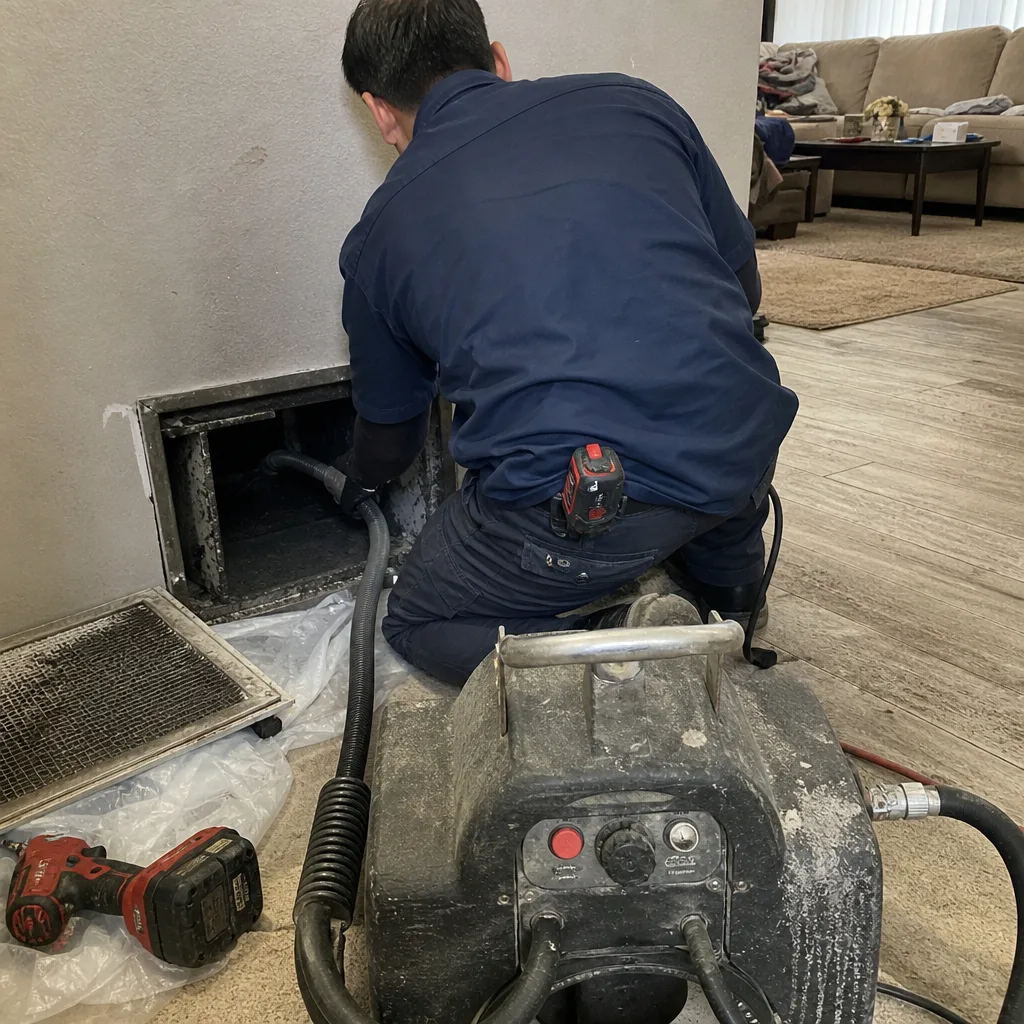 Before
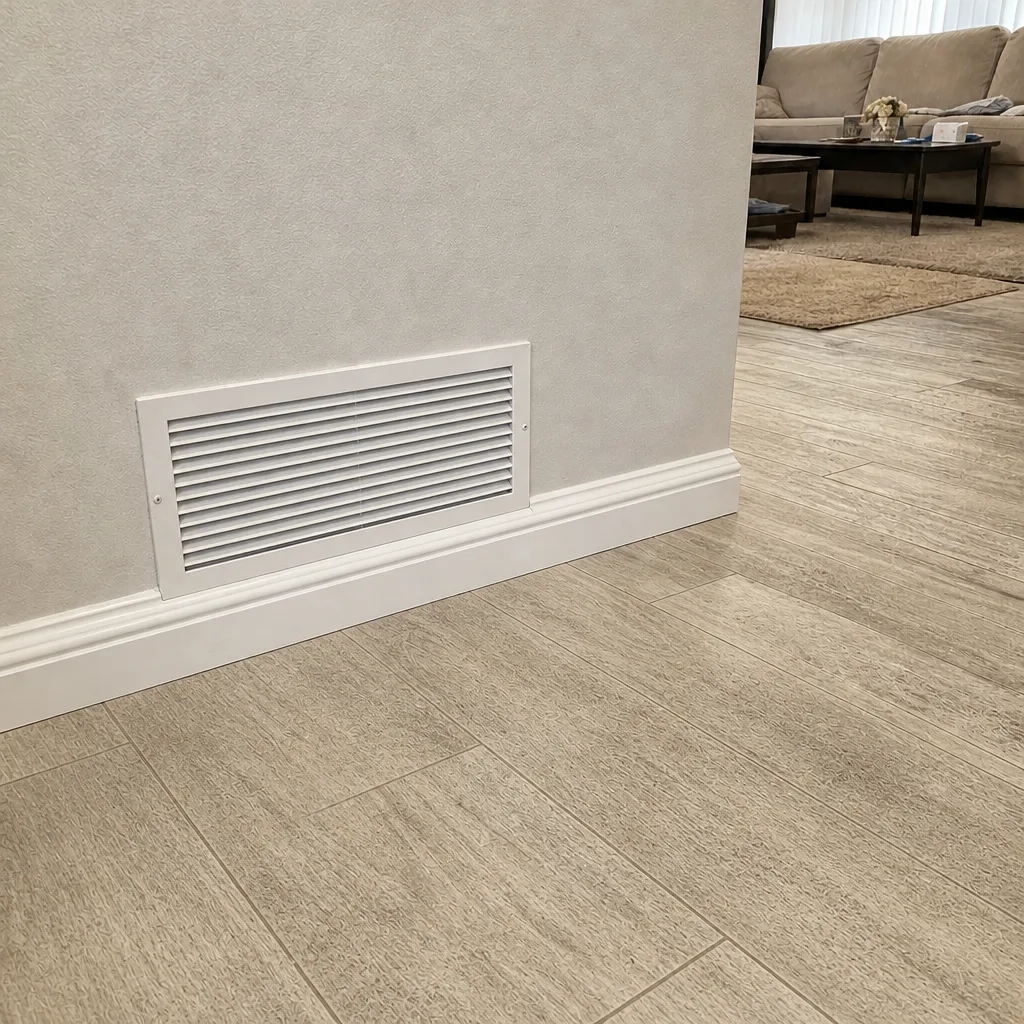 After
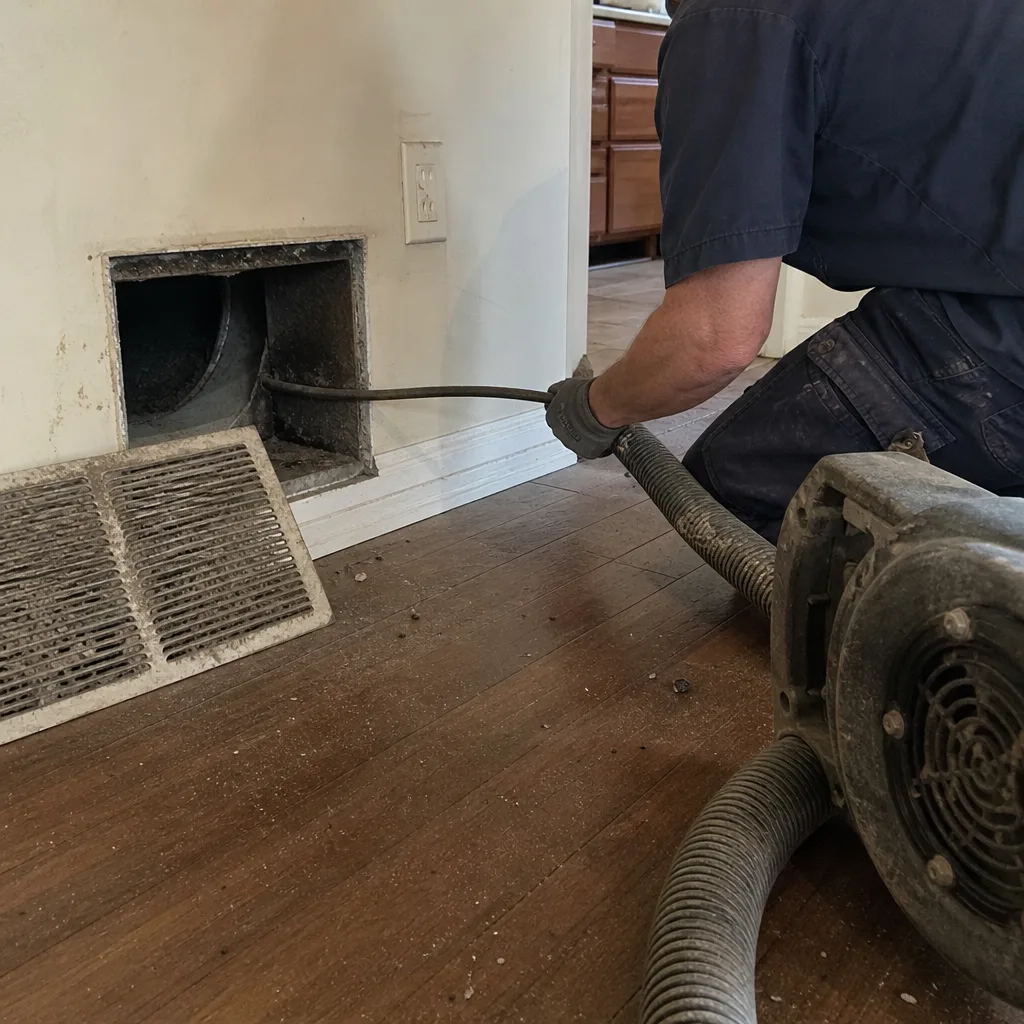 Before
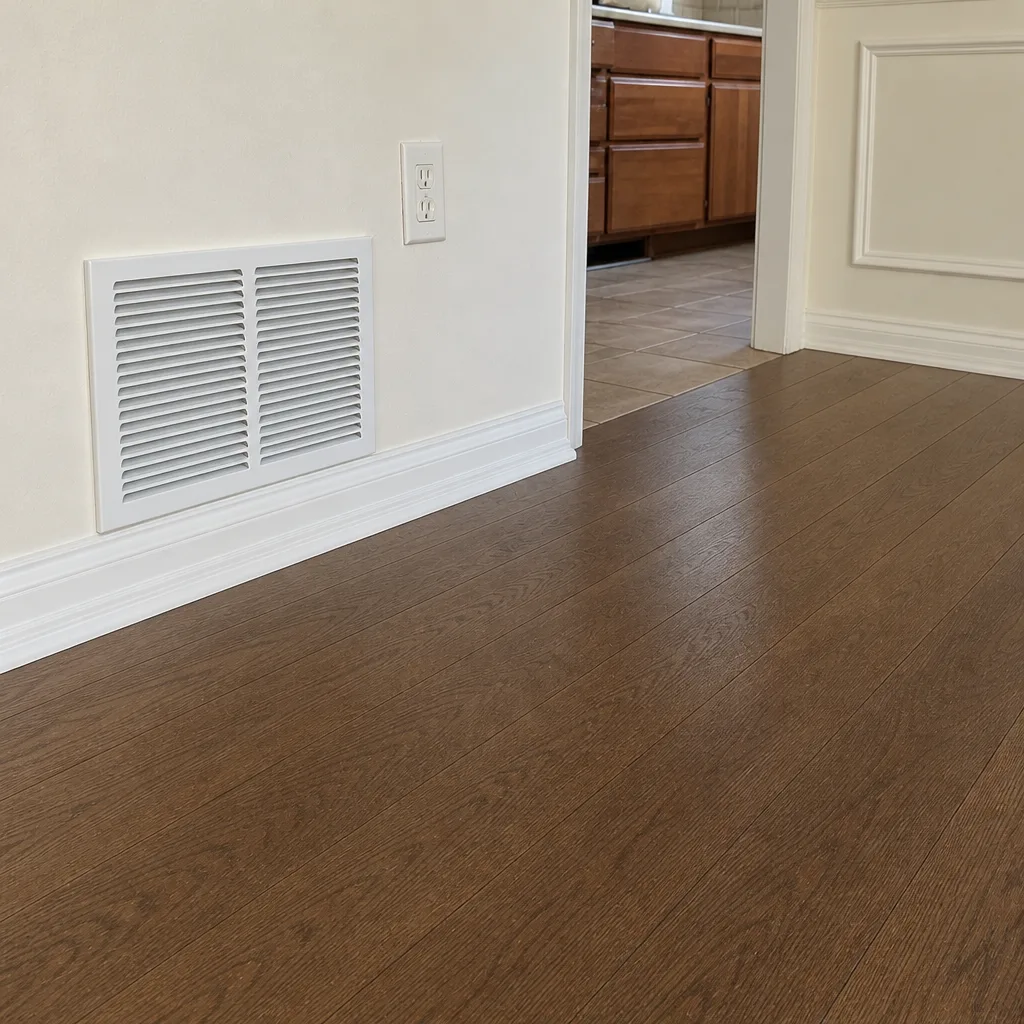 After
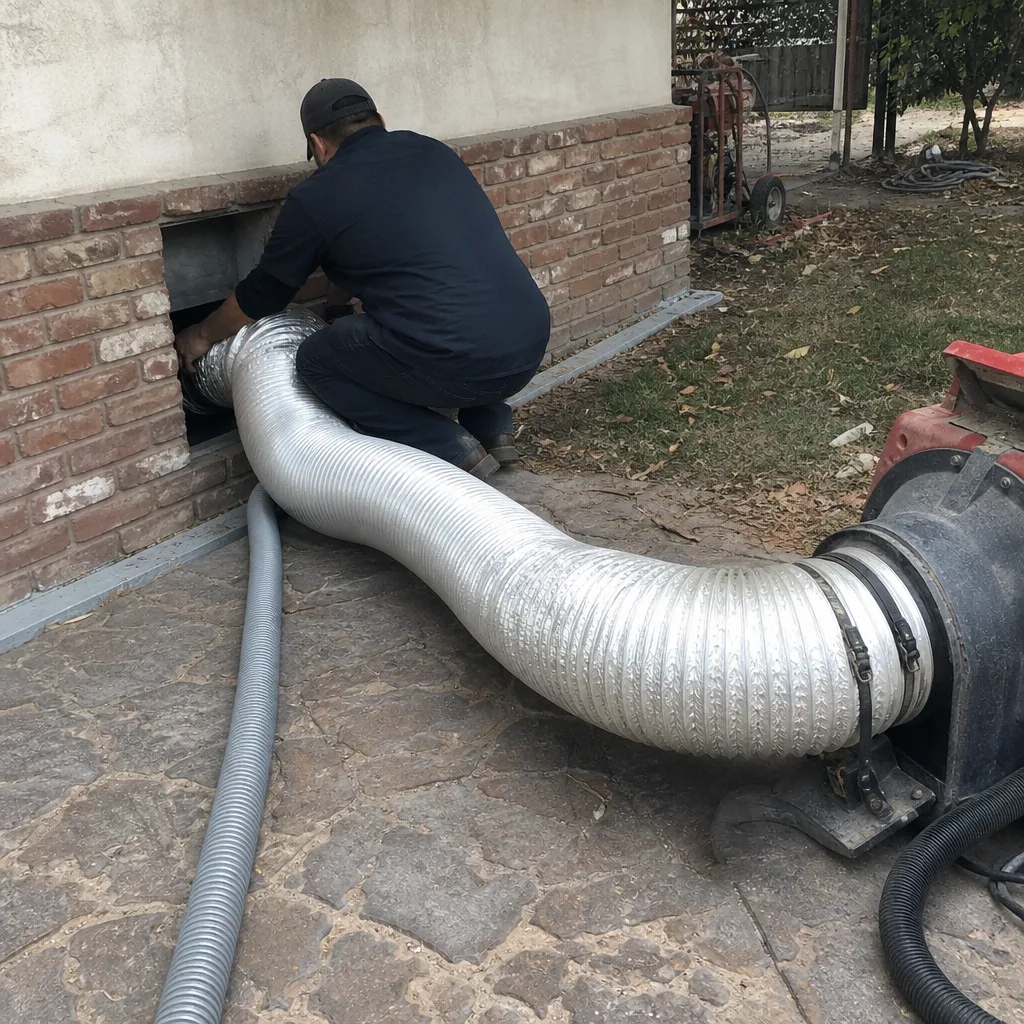 Before
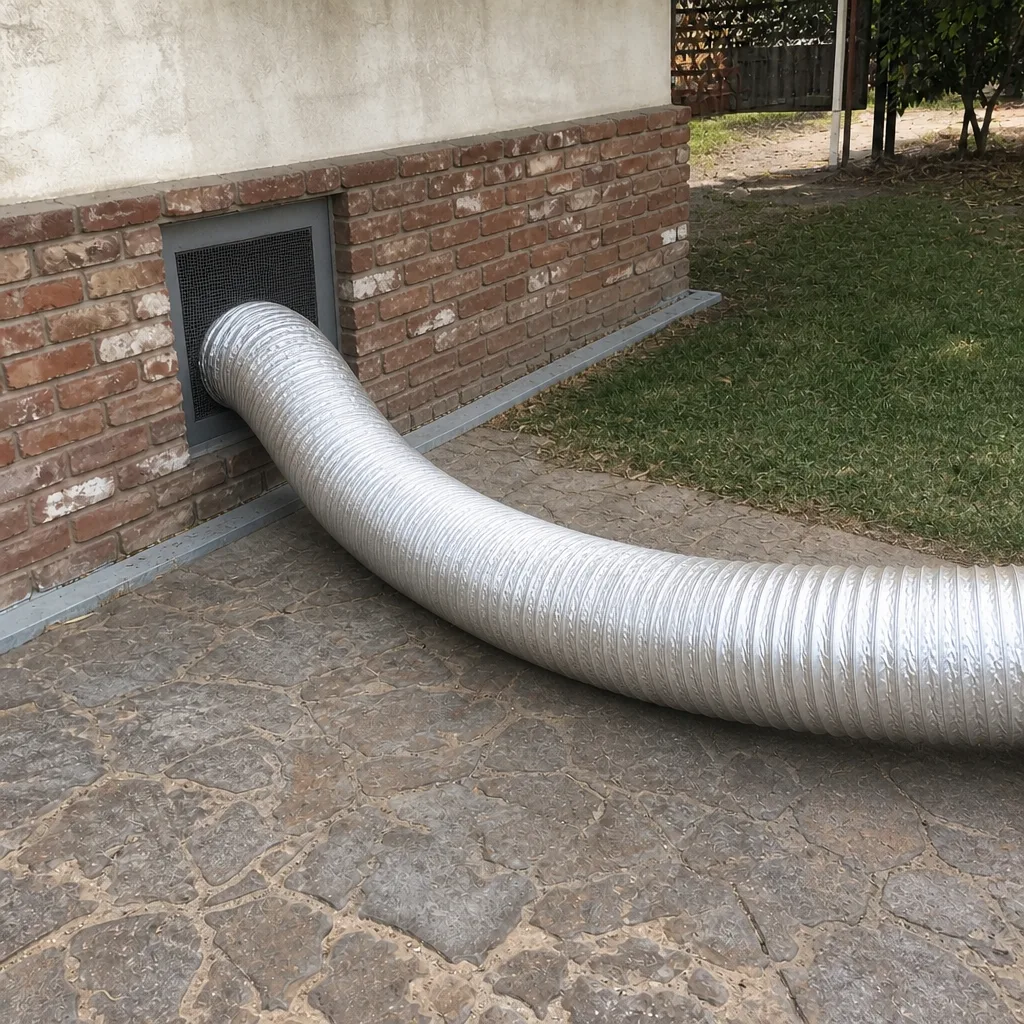 After
When to Call a Professional
Duct cleaning isn’t something you need every year regardless of conditions, but specific situations call for it. If you’ve just bought a Visalia home and don’t know the service history, get an inspection. If someone in the household has allergies or asthma and the symptoms seem worse indoors, it’s worth a look. If you’ve completed a renovation, drywall dust and construction debris may well be sitting in the returns and supplies. If you see visible dust streaking out of a register or notice musty smells, get it checked. If the dryer is taking longer than it used to, call for dryer vent cleaning. Duct Cleaning Visalia offers free estimates in Visalia – call (855) 970-3448. We answer 24/7. Fast dispatch from 7am to 7pm, Sunday through Friday.
Frequently Asked Questions
Typical whole-house duct cleaning in Visalia runs from $350 to $650, depending on square footage, the number of registers and returns, and how accessible the system is. Calls to add dryer vent cleaning usually land in the $100 to $175 range. Any quote below $150 for a whole house should be received politely and treated with suspicion, because the equipment and labor to do the job properly don’t fit into that number. We use one flat price per system agreed before work starts, no per-vent pricing, and before-and-after photos of your own ducts. Call (855) 970-3448 for an exact quote – estimates are free.
Cheap quotes skip equipment investment, labor time, or both. The unit that arrives is a portable vacuum with a fraction of the required CFM, the crew is one person instead of two, and the job is done in an hour. You pay less and get less. Ask what the CFM is and how many hours they plan to spend. That pair of answers tells you whether the price is honest. Call (855) 970-3448 to talk through what a real quote looks like for your home.
You ask for camera footage or photos of your own ducts before and after cleaning. Any contractor who won’t provide them is asking you to take it on faith. A legitimate contractor will scope the system before starting and again at the end, then send you what they captured. If you don’t have that evidence, you don’t actually know. Call (855) 970-3448 if you’d like to see what documented before-and-after photos look like from a real job.
Most homes go three to five years between cleanings, though a recent renovation, a new pet, a smoker in the home, or a household with allergy concerns may shorten that to two or three. A home that’s never been cleaned probably needs one now, regardless of how old it is. If you’re unsure, get an inspection before deciding. Call (855) 970-3448 – we can tell you from a walk-through whether a cleaning is due.
It can, particularly when the ducts are holding dust, pollen, or construction debris. Cleaning removes that material from the system, which reduces what can be recirculated through the air every time the AC runs. It isn’t a cure, and anyone with serious allergies should still talk to their doctor, but for many Visalia households it’s a meaningful step. The companion step is adding a decent filter – we recommend Honeywell or Aprilaire products for ongoing filtration. Call (855) 970-3448 for an assessment.
Yes, for the assessment and the walk-through at the end. The technician needs to see the registers, confirm access, and show you the before-and-after photos when the work is complete. Once the equipment is set up and the scope agreed, you don’t need to hover. Expect the visit to take a couple of hours for a typical home. Call (855) 970-3448 to book a time – we answer 24/7, with fast dispatch from 7am to 7pm, Sunday through Friday.
Some can, some can’t. A specialist contractor with duct repair capability will fix a loose joint or a damaged section on the same visit, sealing it properly before wrapping up. A cleaning-only operator will note it and leave, which means a second appointment with a different trade. Ask before you book.
The Bottom Line
Hiring a duct cleaning contractor comes down to four things: what equipment they bring, whether they scope the system, whether they provide a written scope of work with before-and-after photos, and whether they can repair damage on the same visit. In Visalia, the low end of the market exists because homeowners don’t know to ask. You do now. Ask the equipment questions, verify NADCA membership, and don’t hand your home over to a quote that ignores your system’s actual size. The contractor worth hiring tells you more than you asked, puts it on paper, and shows you proof.
Duct Cleaning Visalia handles air duct cleaning, dryer vent cleaning, and air duct repair as three connected services. We use Rotobrush rotary-brush systems and Nikro HEPA vacuums, run Abatement Technologies filtration during service to contain what we dislodge, and stock Guardsman, Honeywell, and Aprilaire filtration products for post-cleaning maintenance. Our technicians have up to 15 years of experience, and every job is one flat price per system agreed before work starts. If your home in Visalia is due for a look, call (855) 970-3448 for a free estimate. We answer 24/7. Fast dispatch from 7am to 7pm, Sunday through Friday, closed Saturday.
Written by the team at Duct Cleaning Visalia.