
Last updated November 15, 2026
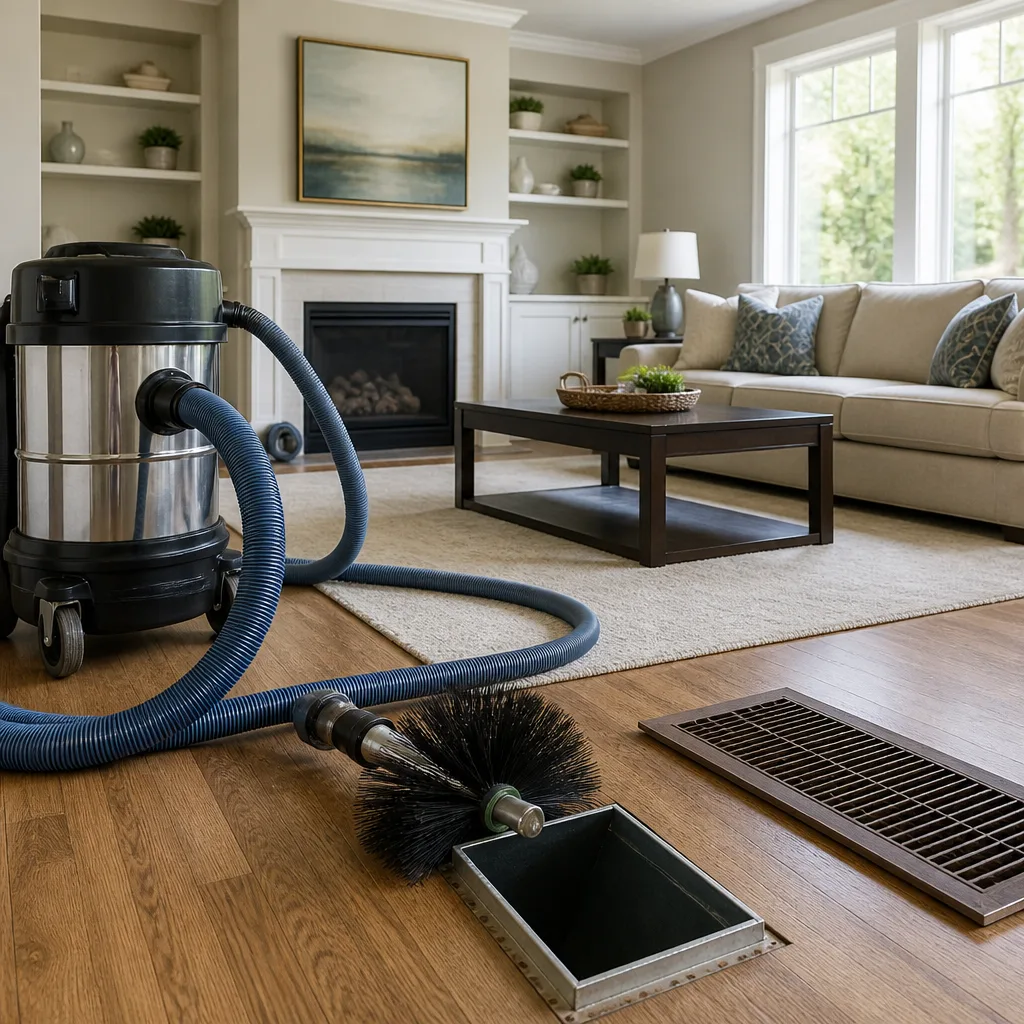 Whole-home duct cleaning
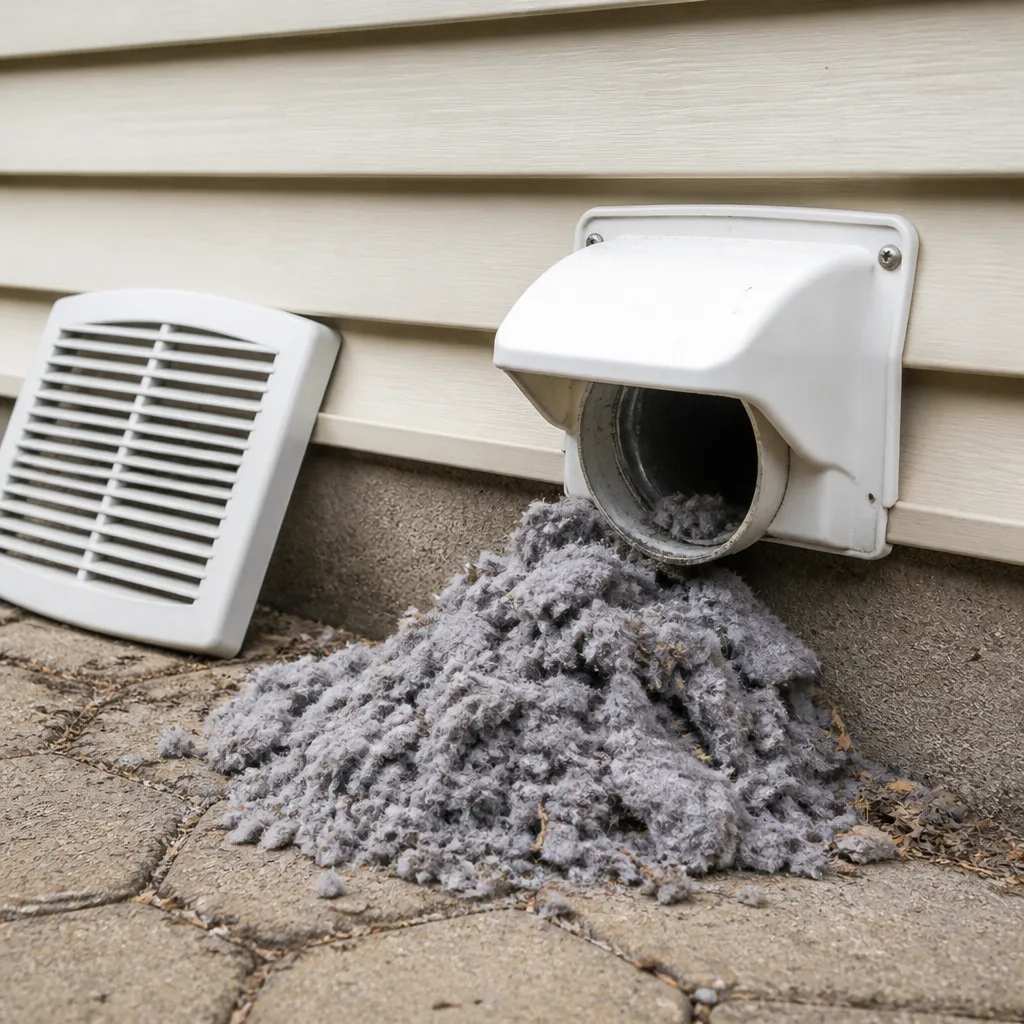 Dryer vent cleaning
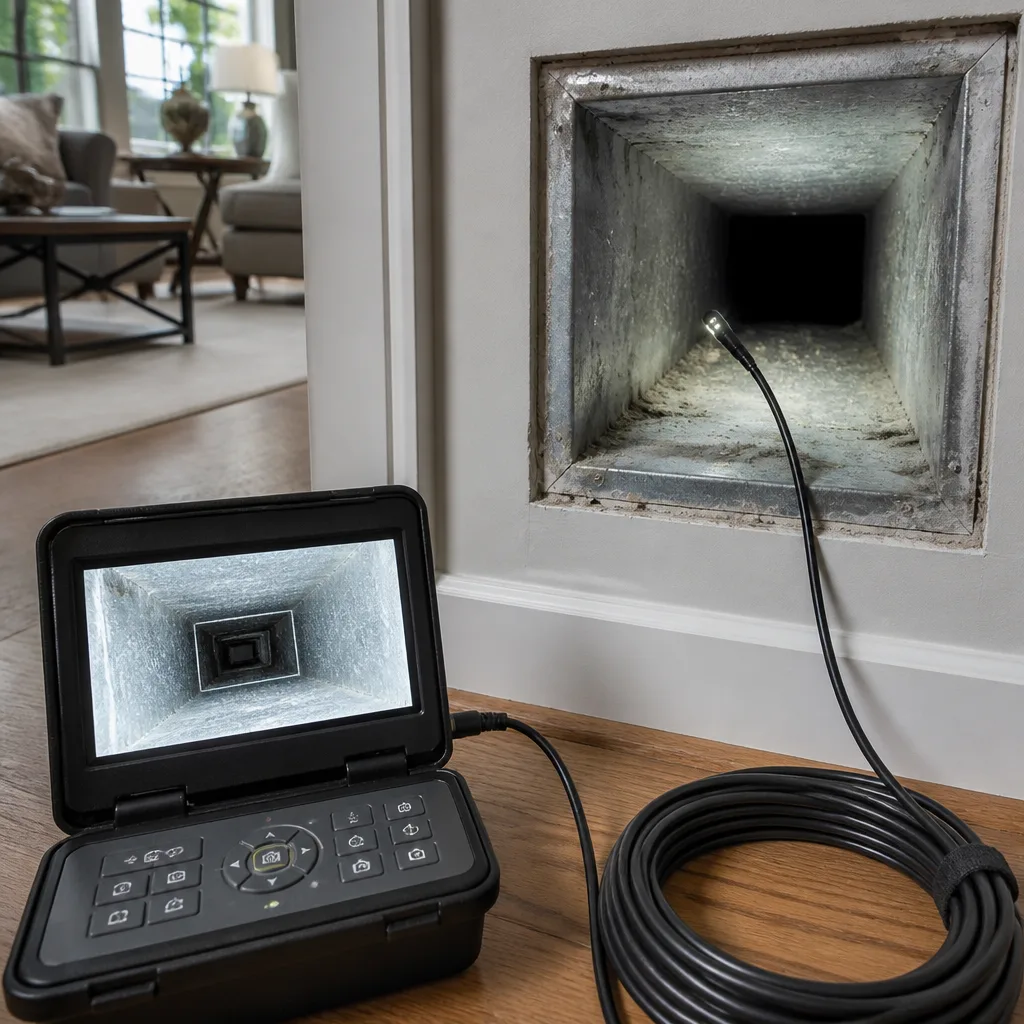 Camera inspection
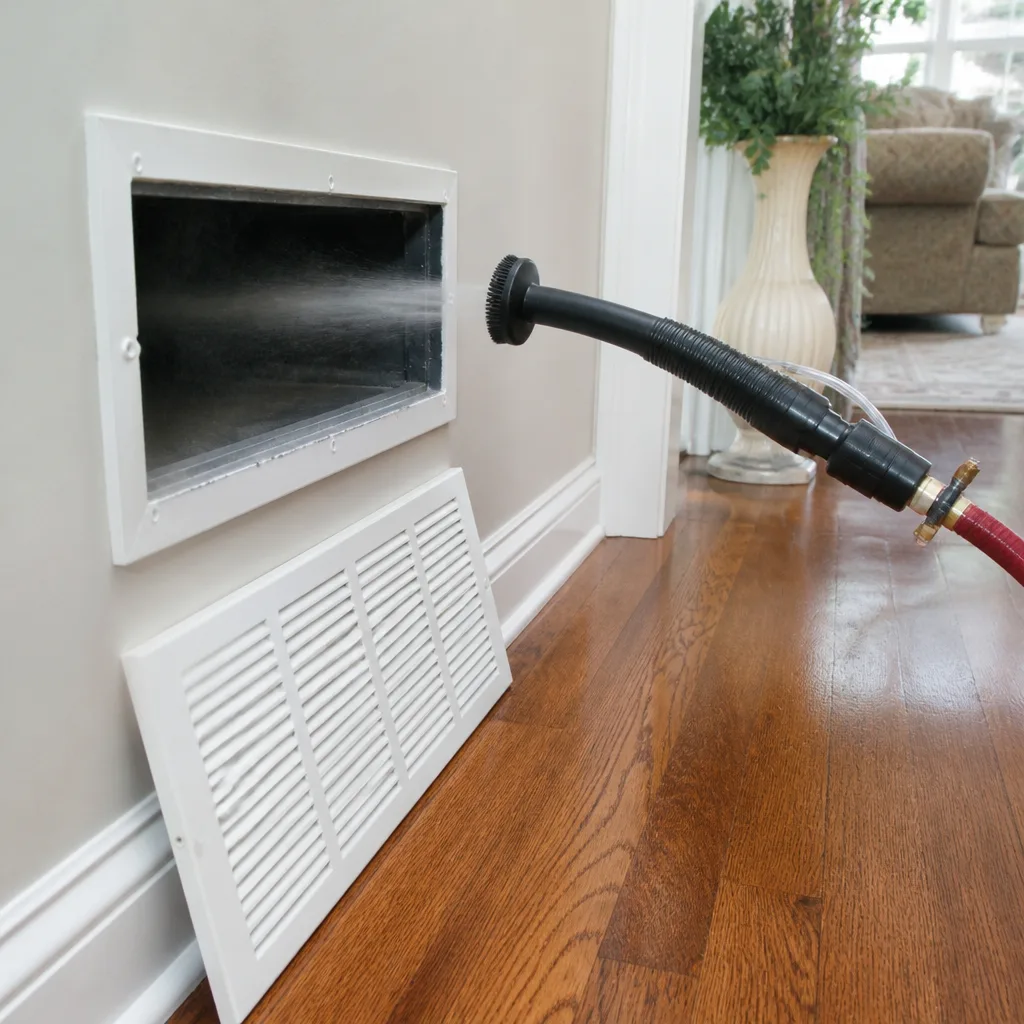 Sanitizing & deodorizing
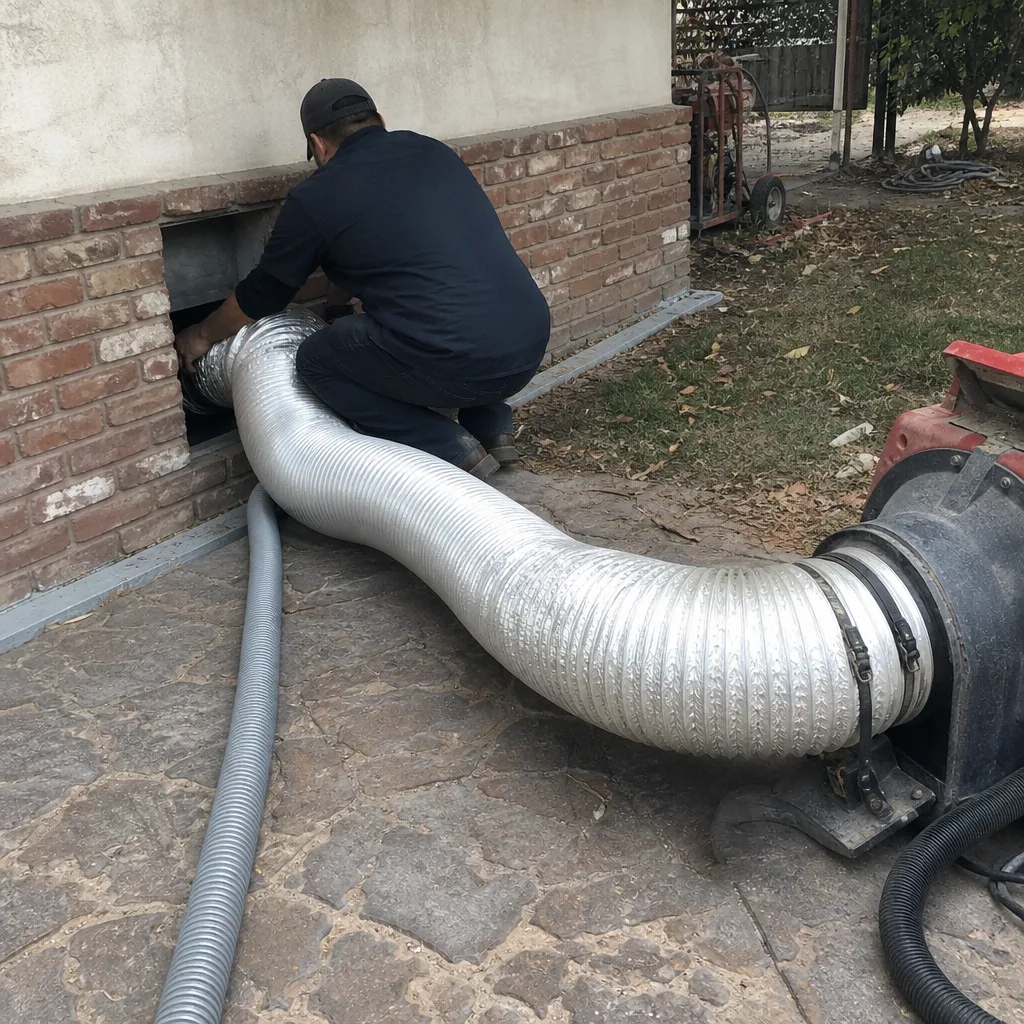
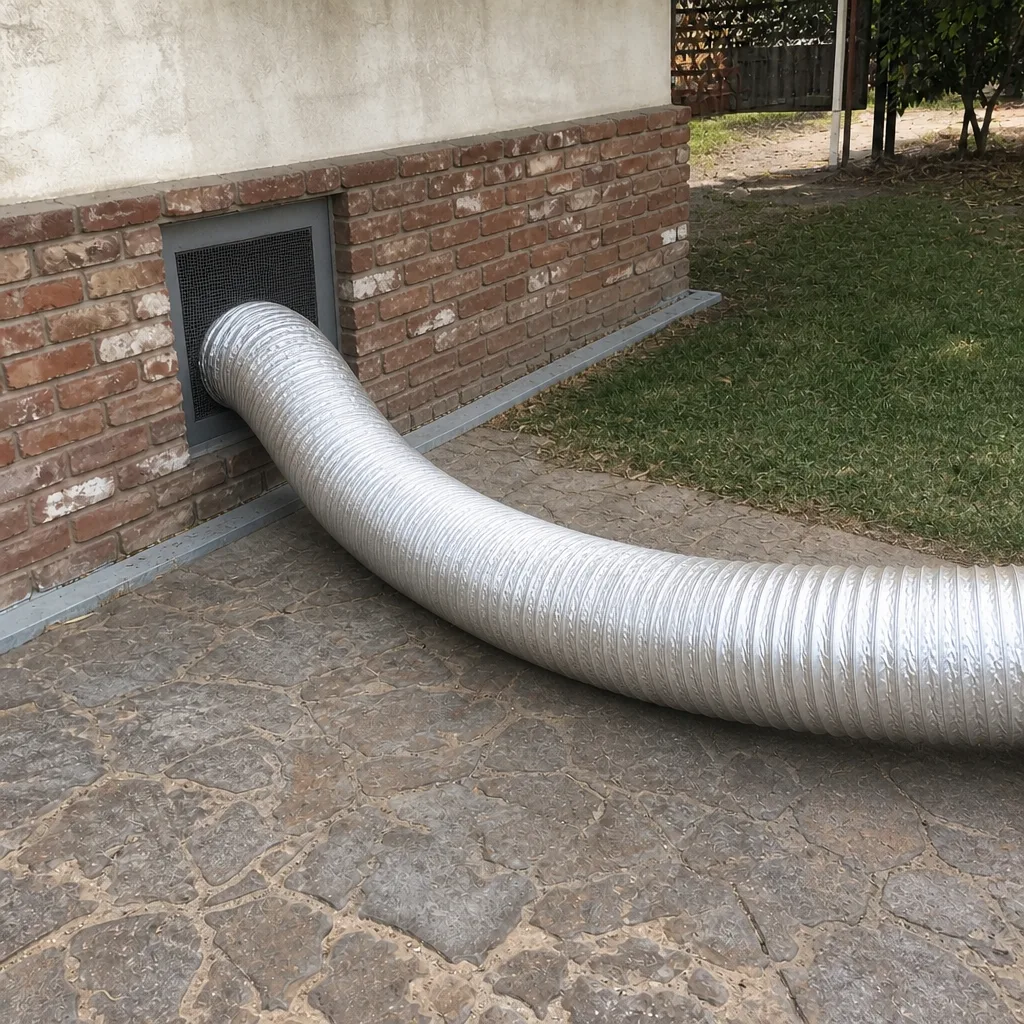
Whole-system duct and dryer vent check with before-and-after photos - you see exactly what came out of your vents
That "$99 whole-house special" is a bait ad - the real number appears once they are in your hallway, or the "clean" is a shop-vac at the register. We photograph the inside of your ducts before and after instead.
Seasonal Air Duct Cleaning Care for Visalia: Year-Round Homeowner’s Guide
Booking a duct cleaning in January because the calendar flipped is one of the least useful things you can do for your indoor air in Visalia. By then you’ve already missed the deposit left behind by fall wildfire smoke, and you’re cleaning your system right before almond bloom fills the valley air with pollen again. Duct maintenance here doesn’t follow four tidy seasons. It follows two distinct air-quality crises bookended around a long, punishing summer cooling run. What lands in your ductwork in March is a different contaminant than what settles there in October, and it needs a different response. This guide walks through what each part of the Visalia year puts into your ducts, when to clean, and how to time the work so you’re not paying for the same job twice.
Quick Answer
The best time to schedule air duct cleaning in Visalia for most homes is late October through November, once wildfire smoke season has passed and before the heating system starts running regularly. A second, lighter service window in early spring helps homes with allergy sufferers clear out almond and tree pollen before summer cooling begins. Homes running the AC 10 to 14 hours a day for five months should inspect filters and duct condition in April, not mid-summer.
Styles & brands we work with
- Whole-home duct cleaning
- Dryer vent cleaning
- Camera inspection
- Sanitizing & deodorizing
Table of Contents
- Why Visalia Ducts Don’t Follow a Four-Season Calendar
- The Visalia Duct Calendar: What Enters Your System Each Quarter
- Why Late October Through November Is the Window Most Homes Miss
- Pre-Summer Prep: Getting Ready for the Five-Month Cooling Run
- The Wildfire Smoke Layer and Why Standard Cleaning Falls Short
- Filter Strategy by Season: MERV Trade-Offs in a High-Runtime Climate
- What to Inspect Yourself and What to Leave Alone
- Dryer Vents: The Other Duct System on a Seasonal Clock
Why Visalia Ducts Don’t Follow a Four-Season Calendar
Most duct cleaning advice you’ll read online was written for a Midwest or East Coast climate, where the logic is simple: clean in fall before the furnace comes on, then forget about it. Visalia doesn’t work that way. Our winters are mild enough that the heating system barely stretches its legs. Our summers are the opposite: the air conditioner runs hard, sometimes 10 to 14 hours a day, for roughly five straight months. And threaded between those two is a spring agricultural season and a fall wildfire season that each put a specific type of particulate into the air and, by extension, into every return duct in the valley.
The practical consequence is that the dominant load on your ductwork isn’t heating or cooling wear. It’s what’s floating in the outside air during the two transition seasons. Spring brings almond bloom, tree pollen, and the fine dust kicked up by orchard and field operations across the surrounding valley. Fall brings smoke, ash, and the invisible fine particulate that wildfire plumes push down into the San Joaquin Valley and hold there under inversion conditions. Both loads settle on duct walls, and both behave differently once they’re inside your system.
What we’ve seen in Visalia homes is that the annual cleaning advice you find on national sites often underserves properties here. A home that gets one general cleaning in July, right in the middle of the cooling run, has already breathed through the worst of the pollen and is about to take on the smoke. It’s the wrong window. Getting the timing right is worth more than getting a cheaper price.
For a full picture of what duct cleaning actually involves here, our Duct Cleaning Visalia overview covers the scope, and the dedicated air duct cleaning page details the process step by step.
The Visalia Duct Calendar: What Enters Your System Each Quarter
If you want a single mental model for the year, think in four blocks. Each one delivers a different contaminant profile into your system, and each one calls for a slightly different response. This is the calendar we walk Visalia homeowners through when they’re trying to figure out when to book.
Quarter 1: January through March
- What’s entering: Almond bloom pollen (typically late February into March), early tree pollen, and fine agricultural dust from orchard work in the surrounding valley.
- System state: Light heating load. The furnace runs occasionally, mostly on cool mornings.
- Best response: Replace filters on schedule. Consider an early spring cleaning if anyone in the home has seasonal allergies. This is a poor window to book a full cleaning if you only do it once a year, because smoke season hasn’t happened yet.
Quarter 2: April through June
- What’s entering: Residual pollen, grass pollen, and the first dust kicked up by field preparation and dry weather.
- System state: The cooling system comes fully online by May and starts running daily.
- Best response: This is the pre-summer prep window. Inspect filters, check return grilles, look for any duct damage or disconnected sections that will leak cool air all summer. April is the ideal month to clean before the hard run starts.
Quarter 3: July through September
- What’s entering: Very little new outdoor particulate, because windows are shut and the system recirculates indoor air. The problem here isn’t new contamination, it’s stagnant recirculation of whatever is already in the ducts, run through the system eight to fourteen hours a day.
- System state: Maximum runtime. Filters load fast. This is when a dirty system becomes a comfort and efficiency problem, not just an air quality one.
- Best response: Mid-run filter changes. If you skipped spring cleaning, this is the second-best time to book, but plan to clean again after smoke season.
Quarter 4: October through December
- What’s entering: Wildfire smoke and fine ash, especially during active fire years across California. The valley’s inversion layer can trap smoke for days.
- System state: Cooling winds down, heating comes on. Windows stay shut.
- Best response: This is the primary cleaning window for most Visalia homes. Late October through November catches the smoke deposit after it’s happened and clears it before the heating season pushes it back through the house.
Why Late October Through November Is the Window Most Homes Miss
Here’s the part that surprises people. When we ask Visalia homeowners when they last had their ducts cleaned, a lot of answers cluster around “the new year” or “sometime in summer when I remembered.” Both are common, and both miss the ideal window. Late October through November is the best time for most homes in the valley, and the reason is pure sequencing.
By late October, the smoke season has done whatever it’s going to do. The fine particulate from any summer or fall fire events has had weeks to settle onto duct walls, filter media, and the interior of the air handler. It’s sitting there. The cooling system is winding down, so you’re not paying for a cleaning that the AC will immediately recontaminate. And the heating system hasn’t started pulling full-time yet, which means you’re clearing the system before it runs the accumulated load through your living space.
- Wait until active smoke events have passed. Cleaning mid-smoke means the outside air re-contaminates your ducts within days.
- Book before the furnace starts running daily. In Visalia that’s usually early-to-mid November.
- Do the filter change after cleaning, not before. You want the new filter to catch anything that settles in the days following the cleaning.
- Schedule the dryer vent check on the same visit if it’s due. It’s a separate system but the same trip, and both are on a roughly annual clock.
- Note the date. Twelve months from that October or November cleaning is your next target cleaning window.
If fall doesn’t work for your schedule, spring is the better backup. What you want to avoid is a mid-summer cleaning that clears the system only to see it load up again during smoke season a few months later. For anyone in Visalia working out timing, we’re glad to talk through your home’s specific pattern.
Pre-Summer Prep: Getting Ready for the Five-Month Cooling Run
The Visalia summer is a full marathon for your HVAC system, not a sprint. When the air conditioner runs 10 to 14 hours a day from May through September, every component is under sustained load. Ductwork that’s fine in a mild climate can cause problems in a high-runtime one. Pre-summer prep in April or early May is worth more attention than it usually gets.
Here’s the inspection and prep sequence we recommend before the cooling season starts:
- Replace the filter first. Don’t clean around a loaded filter. Start the season with a fresh one and note the date.
- Walk the visible duct runs. Check accessible attic and crawlspace runs for sagging, disconnected joints, or crushed flex duct. Any leaking section will blow cool air into the attic all summer.
- Inspect return grilles and registers. Look for dust buildup, and check that no furniture or rugs are blocking the returns.
- Look for water staining or condensation. A damp duct section in a hot climate can support microbial growth. If you see staining, that’s a repair-and-clean situation, not a filter change.
- Check the dryer vent. Spring is a natural time to clear it, and the U.S. Fire Administration recommends annual dryer vent cleaning as a fire-prevention measure regardless of season.
- Decide on cleaning. If the ducts haven’t been cleaned since last fall, or you’ve never had them cleaned since moving in, book before the cooling season starts.
The key point on pre-summer prep is that it’s a different job than a full cleaning. It’s inspection, filter replacement, and repair triage. A full cleaning is a separate service that’s better done in the fall window I described above. For most Visalia homes the right split is: quick prep in April, full clean in November. The air duct repair side of that prep matters, because a leaking duct defeats the point of a cleaning by letting unfiltered attic air back into the system. Our dryer vent cleaning visits also handle the vent-side safety check that pairs naturally with this pre-season walkthrough.
The Wildfire Smoke Layer and Why Standard Cleaning Falls Short
Wildfire smoke doesn’t behave like ordinary dust. Dust is relatively coarse and drops out of the air reasonably fast. Smoke carries fine and ultrafine particulate, the kind that stays suspended for days, gets pulled into your return air, and then deposits as a very thin layer on duct walls. It’s sticky, it’s fine, and it doesn’t come off with a quick pass of a standard shop-vac or a consumer-grade blower.
This is where the equipment difference becomes real. A basic duct cleaning setup pushes air and knocks loose surface dust. Fine smoke particulate requires two things a bargain setup doesn’t have: contact time and true HEPA filtration. The rotary-brush systems we run, like those from Rotobrush, use a motorized brush that physically contacts the duct wall and lifts the deposit rather than relying on airflow alone. That’s the contact-time difference. Paired with a Nikro HEPA-rated vacuum rig, the dislodged particulate is captured instead of recirculated into your home. During the service we also run Abatement Technologies air-filtration units in the home to contain any dust that gets airborne while the ducts are being worked.
What this means for a homeowner planning around smoke season:
- A standard blower-and-go cleaning will remove visible dust and some surface contamination, but it may not fully address the fine smoke deposit from a heavy smoke year.
- A proper cleaning after a significant smoke event needs more contact time on duct walls, not a faster pass.
- The HEPA capture step matters, because otherwise you’re reintroducing the fine particulate to the living space during the cleaning itself.
- Timing after the smoke event ends means the deposit has fully settled and can be removed in one visit instead of re-accumulating.
We contain what we clean. That’s not a slogan, it’s the practical difference between a service that improves your air and one that just moves the problem from the ducts to the room. If you’ve been through a heavy smoke season and it’s been more than a year since your last cleaning, treat that as the trigger to book.
Filter Strategy by Season: MERV Trade-Offs in a High-Runtime Climate
Filter selection is the one part of duct care you handle between cleanings, and in a high-runtime climate like Visalia it’s also where homeowners make the most mistakes. The instinct is to buy the highest MERV rating available because more filtration sounds better. In practice, an overly restrictive filter on a system running long summer hours can cut airflow, raise static pressure, and make the air handler work harder than it should. That’s a real trade-off in this climate, not a theoretical one.
Here’s a general way to think about it across the year:
- Summer (high runtime): Favor a filter that balances filtration with airflow. A filter that’s slightly too restrictive during a 12-hour daily cooling run costs comfort and efficiency. Match the rating to what your system’s manufacturer specifies.
- Fall smoke season: This is when higher filtration earns its keep, because the airborne load is genuinely higher. If your system can handle a higher MERV without choking airflow, this is the season to use it. Change it more frequently during active smoke events.
- Spring pollen season: A mid-range filter is usually the right call. You’re catching pollen and agricultural dust without over-restricting the system as it comes back online.
- Winter (low load): The mild heating season is a lower-stress window. This is the easiest time to run a slightly higher filtration rating without airflow concerns.
Beyond the filter slot, Visalia homes dealing with recurring allergy or asthma concerns often benefit from a filtration upgrade at the air handler. Products from Honeywell and Aprilaire cover a range of cabinet-mounted and media-filter options, and Guardsman covers additional IAQ filtration choices. We recommend based on your specific system and duct layout rather than a one-size recommendation. The right move is to match the upgrade to what your air handler can handle, not to chase the highest number on a box. If you’re unsure what your system is rated for, that’s a good question to ask before you buy anything.
What to Inspect Yourself and What to Leave Alone
There’s a real distinction between what a homeowner can safely check and what belongs to a trained technician. The honest version: a lot of ductwork is visible, but much of what matters is not, and some of what’s visible is near components that can hurt you.
Safe for you to check
- Filter condition and replacement date.
- Visible return grilles and supply registers for dust buildup.
- Whether any furniture or rugs block return airflow.
- Exterior dryer vent flap operation and visible lint accumulation around the exterior hood.
- Any obvious sagging or disconnected flex duct in an accessible attic or crawlspace, viewed from a safe distance without touching wiring or the air handler.
Leave to a technician
- Opening the air handler cabinet or any component near electrical connections.
- Removing or reconnecting duct sections, especially near the furnace or evaporator coil.
- Cleaning inside the duct runs themselves, which requires the right equipment to avoid spreading contamination.
- Any work near gas lines or the combustion side of a furnace.
A quick safety note on that last point. Electrical panels, furnace wiring, and gas connections are not homeowner territory. Even a simple inspection near an air handler can put you close to live electrical components or a gas line, and the wrong move there is dangerous. If you suspect a problem in those areas, call a trained professional rather than opening a panel yourself. The duct cleaning side of this work is our specialty, and it’s done with the system’s electrical and gas components respected, not bypassed.
What we can tell you from experience is that visible duct condition is a poor predictor of overall system condition. Ducts that look clean from the outside can hold a substantial deposit on the interior walls, especially after a heavy smoke season. That’s why the cleaning window matters more than what you can see at a grille.
Dryer Vents: The Other Duct System on a Seasonal Clock
Most people think of duct cleaning as an HVAC concern. There’s a second duct system in your home with a far more serious safety consequence if it’s neglected: the dryer vent. The U.S. Fire Administration recommends annual dryer vent cleaning as a fire-prevention measure, and in a valley climate with long dry summers and heavy lint generation, it’s not a maintenance afterthought. It’s a fire risk.
The seasonal logic for dryer vents is slightly different from HVAC ducts. Lint accumulates year-round based on laundry volume, not outdoor air conditions. So the right clock is roughly annual, and the right time to schedule it is whenever it lines up with the rest of your seasonal maintenance. Pairing it with a fall duct cleaning is efficient. Pairing it with your spring prep is equally reasonable. What you want to avoid is stretching past twelve months without a check, especially if you notice the dryer taking longer to dry a load, the exterior vent flap not opening fully, or heat building up around the dryer.
Dryer vent cleaning is offered as a standalone service, separate from air duct cleaning, because the two systems need different tools and different procedures. If you’ve never had your dryer vent cleaned and you’ve been in the home for several years, it’s worth booking as its own appointment. It’s the single most direct fire-safety action most homeowners can take, and it’s the one most often skipped.
Common Mistakes to Avoid
- Booking the cleaning in January because “new year, new start.” This is the most common timing mistake we see in Visalia. By January you’ve already absorbed fall smoke season, and you’re cleaning right before almond bloom loads the air again. Wait until late fall instead.
- Cleaning in the middle of active smoke season. If the air outside is thick with smoke, a cleaning will be re-contaminated within days. Wait for the smoke to clear, then book.
- Buying the highest MERV filter available and running it all summer. A filter that’s too restrictive for your system during a 10 to 14-hour daily cooling run can hurt airflow and efficiency. Match it to what your system is rated for.
- Treating a dryer vent as a handyman afterthought. Dryer vents are a documented fire-prevention concern and deserve an annual professional check. Skipping it isn’t saving money, it’s carrying risk.
- Assuming a fast cleaning with a shop-vac or a blower is equivalent. Fine smoke particulate requires contact time and true HEPA capture. Speed in a duct cleaning usually means the fine deposit stayed on the wall.
- Cleaning the ducts but ignoring duct damage. A disconnected or crushed run will leak unfiltered attic air into the system continuously. Repair and cleaning belong on the same visit, not on separate service calls.
- Neglecting return grilles while keeping supply registers clean. The return side is where the dust actually enters the system. Checking only the supply side misses most of the load.
See the difference
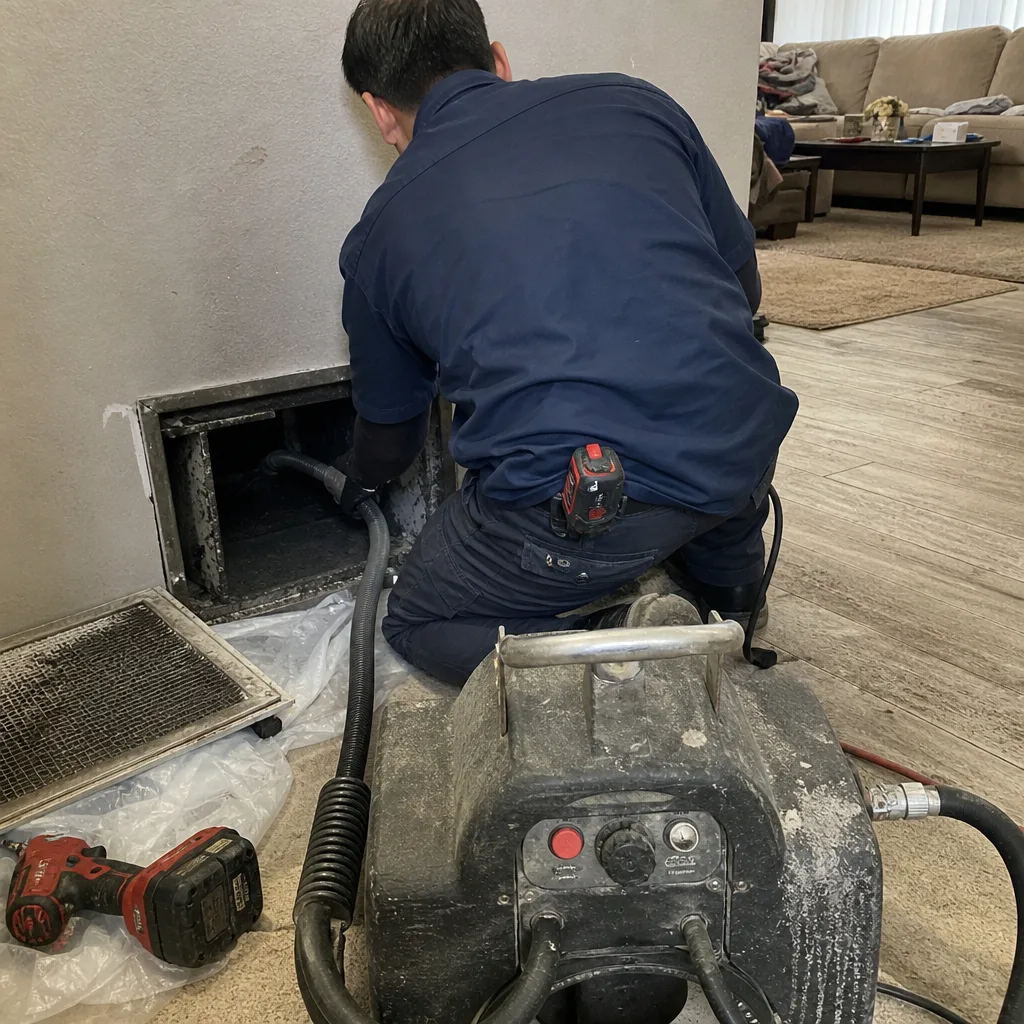 Before
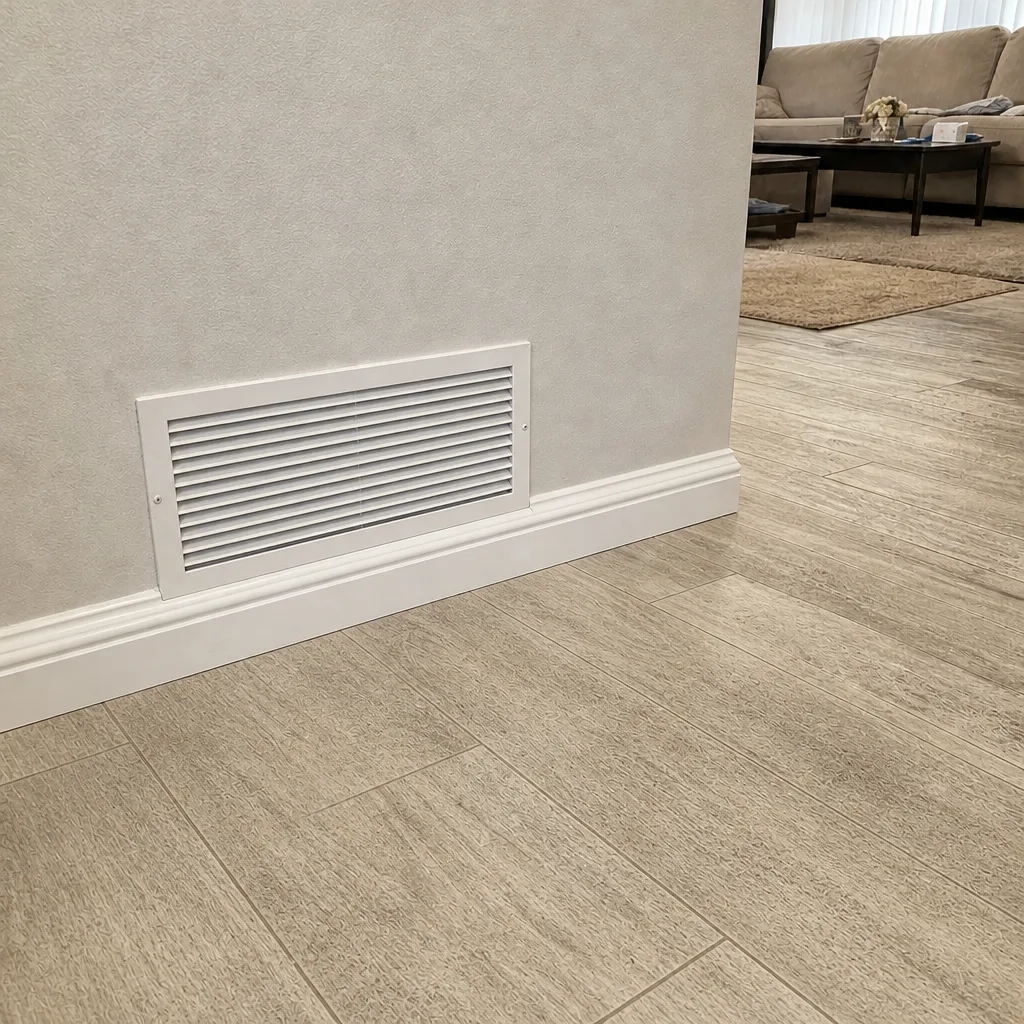 After
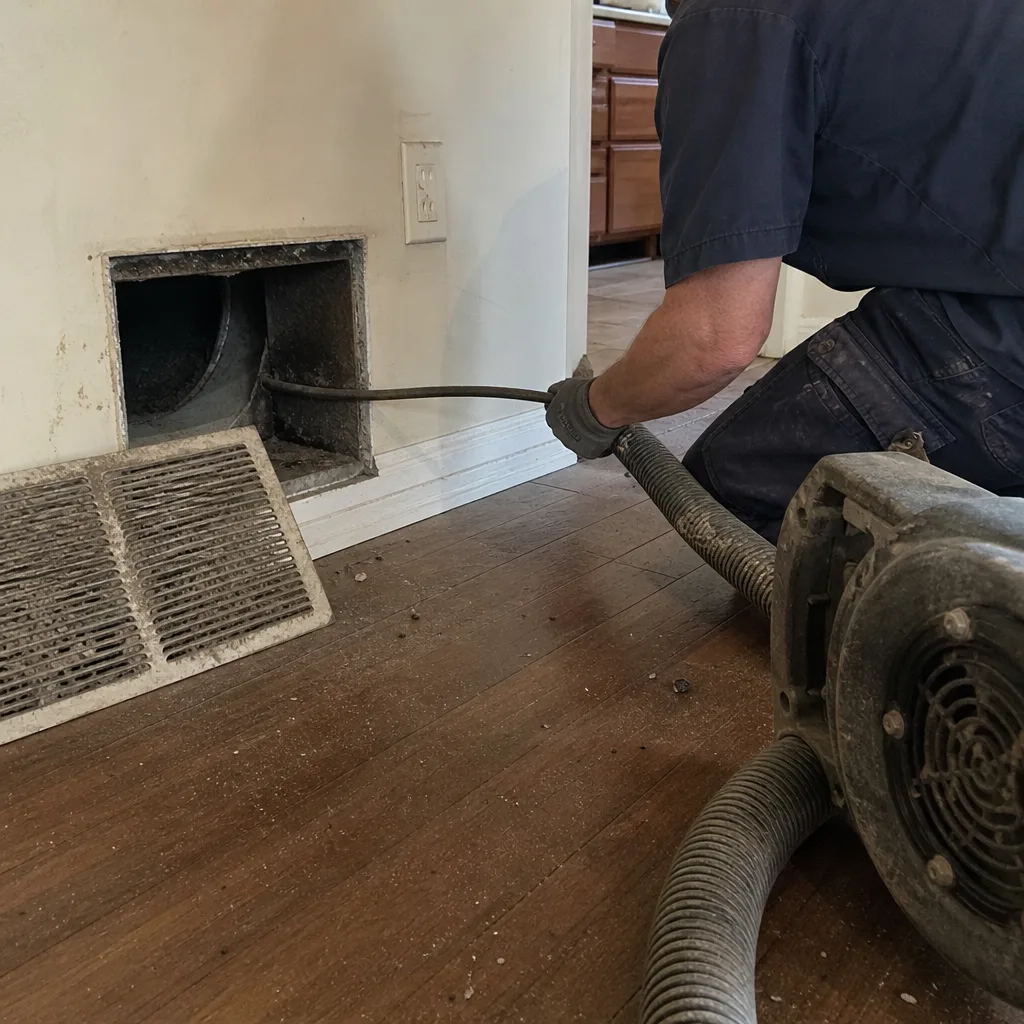 Before
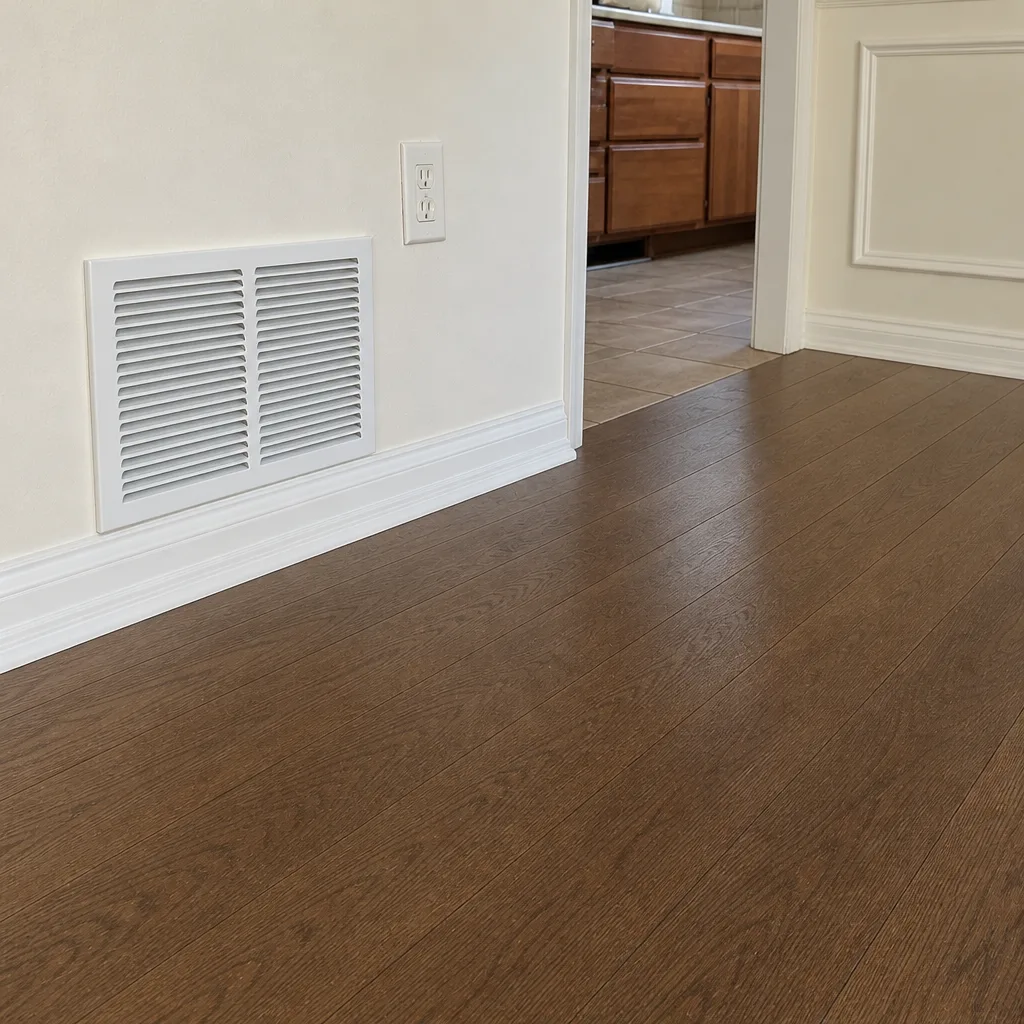 After
 Before
 After
When to Call a Professional
Some duct care is a filter change. Some of it is a scheduled cleaning, and some of it is a repair situation that shouldn’t wait for the next seasonal window. Call a professional if any of the following apply in your Visalia home: you’ve been through a heavy wildfire smoke season and it’s been more than a year since your last cleaning; you’re seeing visible dust settling on furniture faster than usual even with filters changed on schedule; your system runs noticeably harder or cools less effectively than it used to; you notice a musty or smoky smell coming from the vents when the system comes on; there’s visible sagging, disconnection, or crushing in accessible duct runs; your dryer is taking longer to dry loads or the exterior vent flap isn’t opening fully; or you’ve just bought a home and don’t know when the ducts were last serviced.
Duct Cleaning Visalia offers free estimates in Visalia – call (855) 970-3448. We answer 24/7. Fast dispatch from 7am to 7pm, Sunday through Friday. Every job is quoted as one flat price for the full system, agreed before any work starts, with before-and-after photos of the work provided to you.
Frequently Asked Questions
Late October through November is the best window for most Visalia homes, because it follows wildfire smoke season and comes before the winter heating system starts running regularly. Early spring is a reasonable backup if you have allergy sufferers in the home and want to clear out pollen ahead of the cooling season.
For most homes, once a year around the October-November window is the right rhythm, given the combined pollen and smoke load. Homes with pets, allergy sufferers, smokers, or recent renovations often benefit from an additional spring inspection. Homes with no smoke exposure and cleaner habits can sometimes stretch to two years, but in Visalia the pollen and dust load across the valley usually makes annual cleaning appropriate.
It leaves a thin, fine layer on duct walls that can persist for months. Fine and ultrafine smoke particulate carries a charge that makes it stick, and ordinary airflow through a system doesn’t remove it. A proper cleaning with a rotary-brush system that physically contacts the duct wall, paired with HEPA-rated vacuum capture, is what removes the deposit rather than just disturbing it.
Match the rating to what your system manufacturer specifies, and don’t just buy the highest number on the box. A filter that’s too restrictive in a high-runtime climate can hurt airflow and efficiency. Many Visalia homes do well with a mid-range filter for summer and spring, a higher-rated filter during fall smoke season, and the higher end again in the milder winter months.
Usually because the equipment and time are different. A low quote typically covers a quick pass with consumer-grade blowers, which knocks loose surface dust without truly addressing fine particulate or contact time. A proper cleaning uses professional-grade rotary-brush tools and HEPA-rated vacuum capture, and that equipment and time is reflected in the price. We quote one flat price per system, agreed before work starts, so the number you agree to is the number you pay.
Ask for before-and-after photos of the work inside your own ducts. That’s the honest proof. We provide those photos for the job we did. Beyond that, the tell is in how the home feels and smells in the weeks following the cleaning: dust settling slows, smoke and musty smells ease, and cooling or heating performance stabilizes if ducts were restricted or leaking.
Call (855) 970-3448 for an exact quote – estimates are free.
The Bottom Line
Visalia doesn’t hand you four equal seasons to plan around. It hands you a spring pollen-and-agricultural-dust window, a five-month summer cooling marathon, and a fall wildfire smoke season, then asks you to schedule duct care around all three. The right plan is simpler than it sounds: a spring inspection in April to prep for the cooling run, a full cleaning in late October through November to clear the smoke deposit before heating season, and an annual dryer vent check on whichever visit fits your schedule. Filter ratings should shift across the year, not stay fixed. The equipment doing the work matters, because fine smoke particulate needs contact time and true HEPA capture, not a fast pass with a blower. When it’s time to schedule, we’re a call away.
Call (855) 970-3448 for a free estimate. We answer 24/7. Fast dispatch from 7am to 7pm, Sunday through Friday.
Written by the team at Duct Cleaning Visalia.