
Last updated November 15, 2026
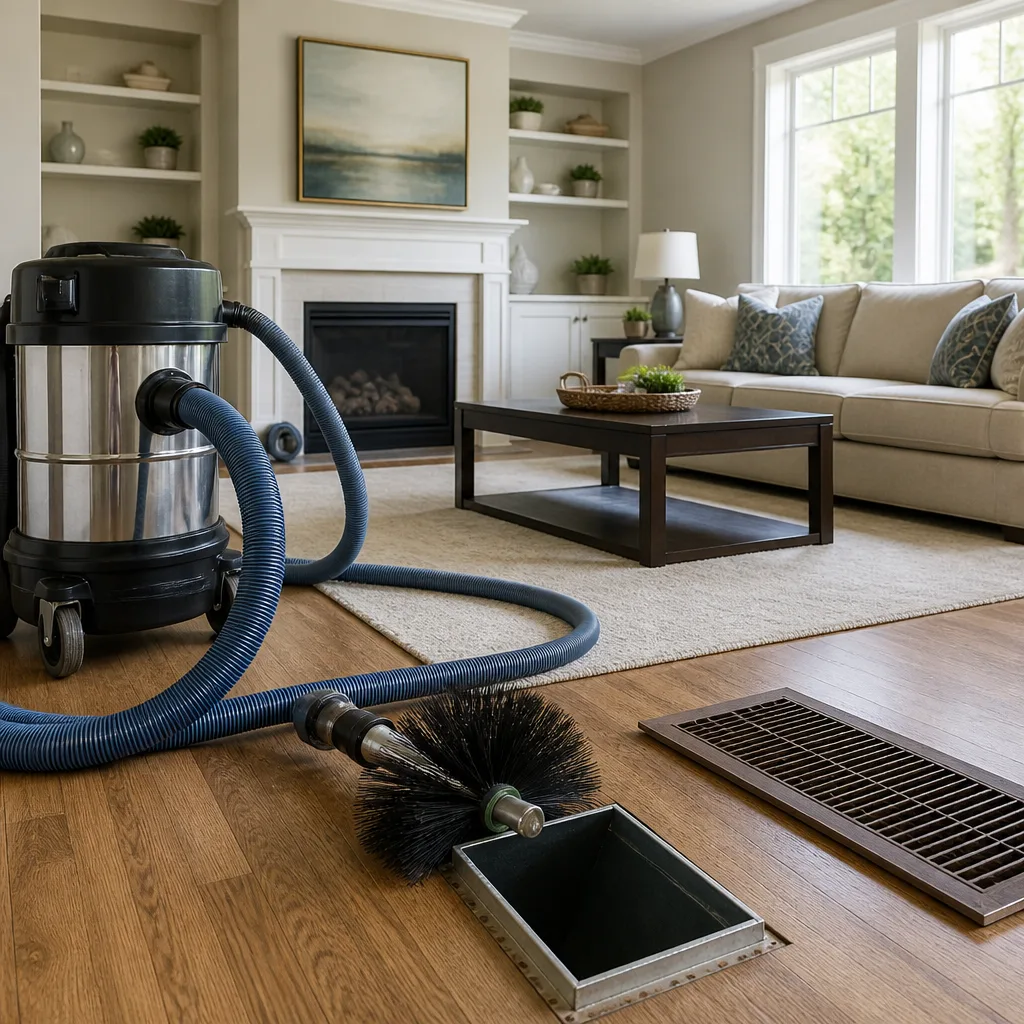 Whole-home duct cleaning
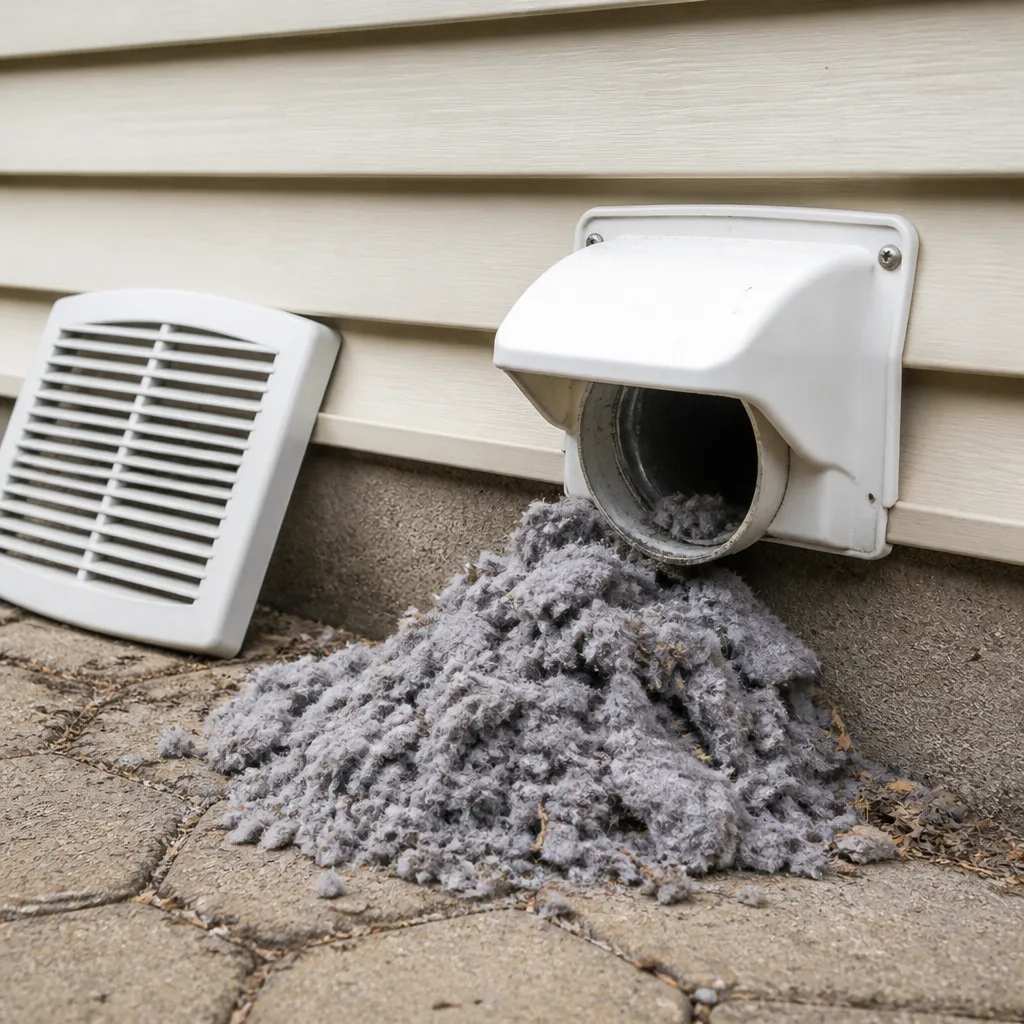 Dryer vent cleaning
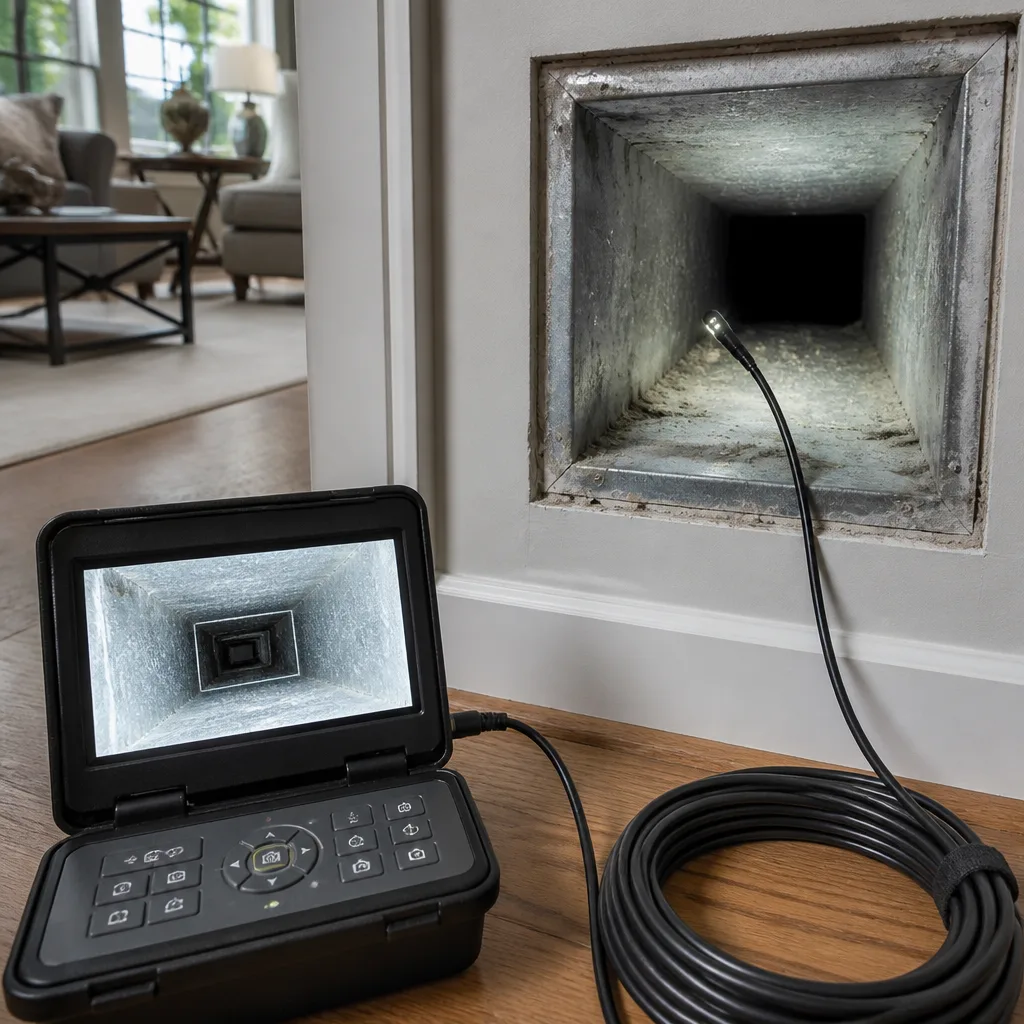 Camera inspection
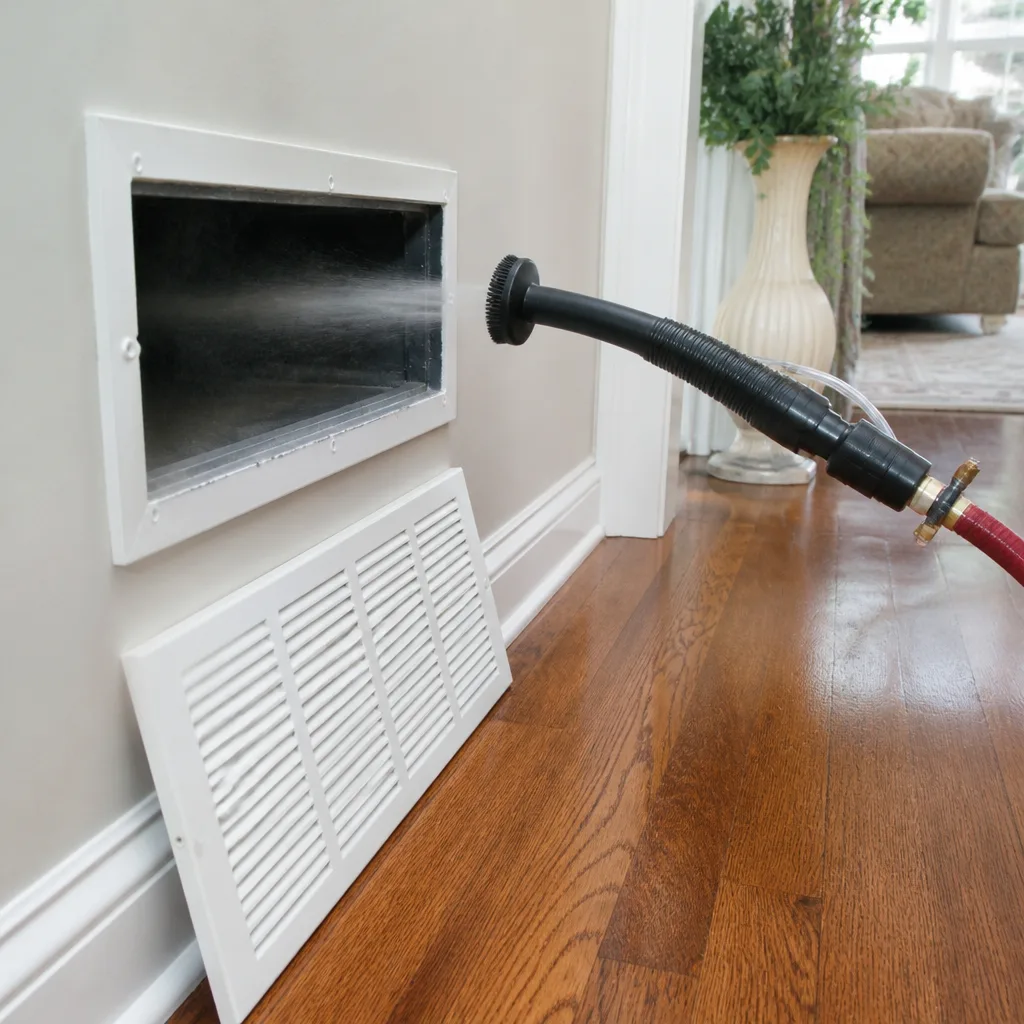 Sanitizing & deodorizing
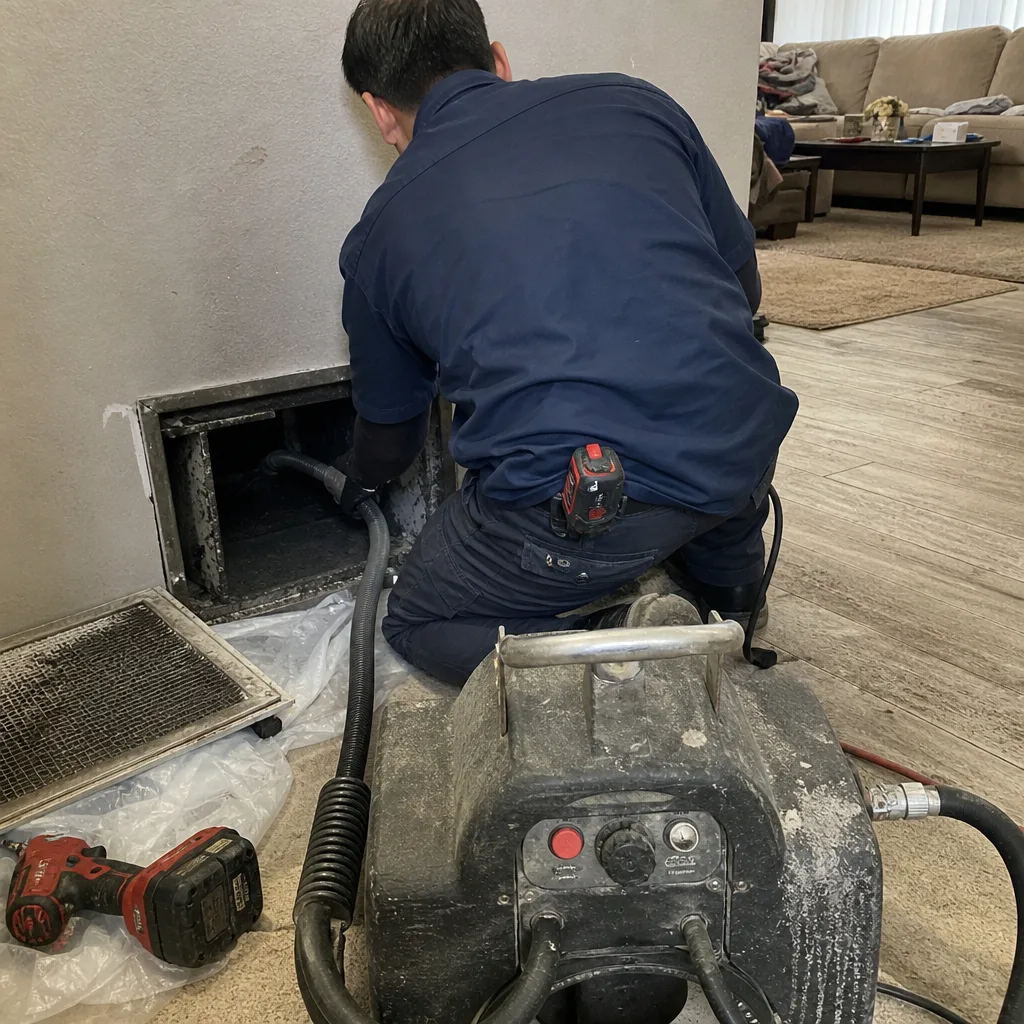
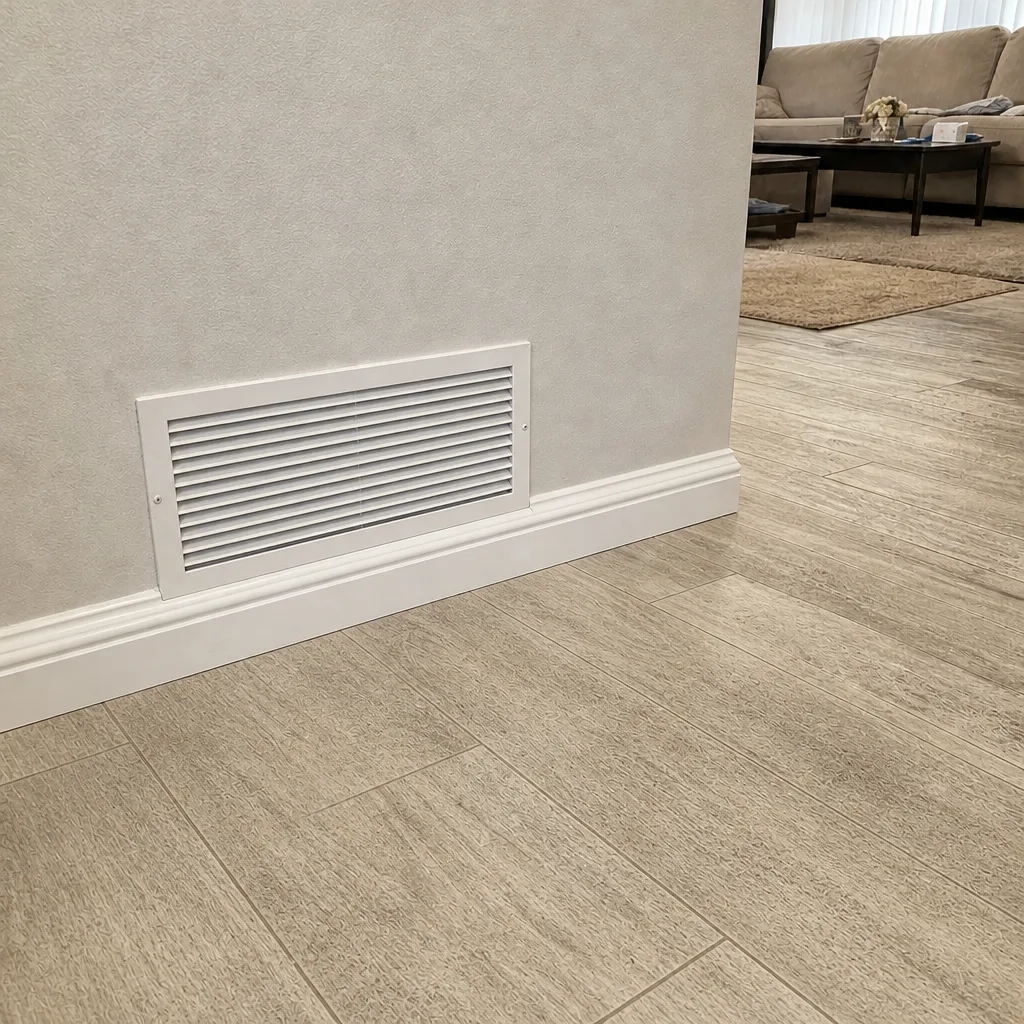
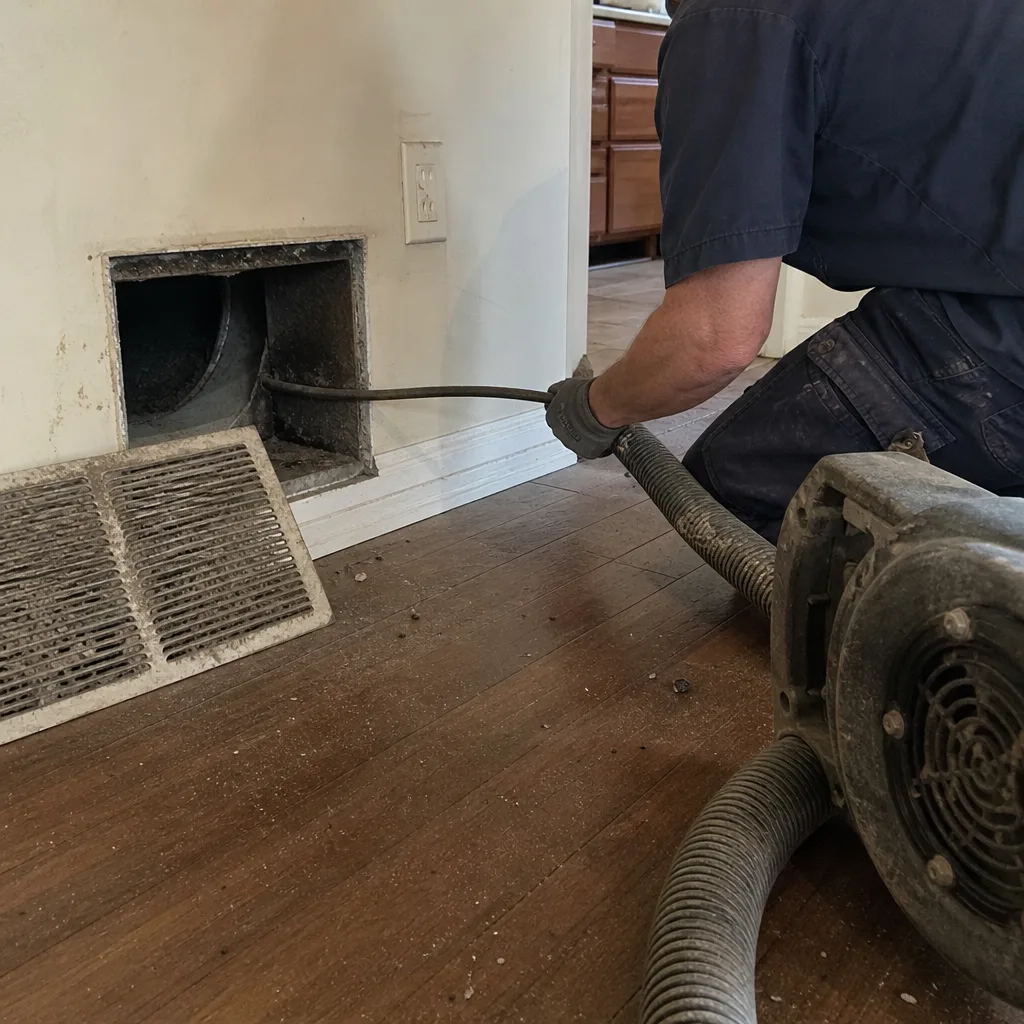
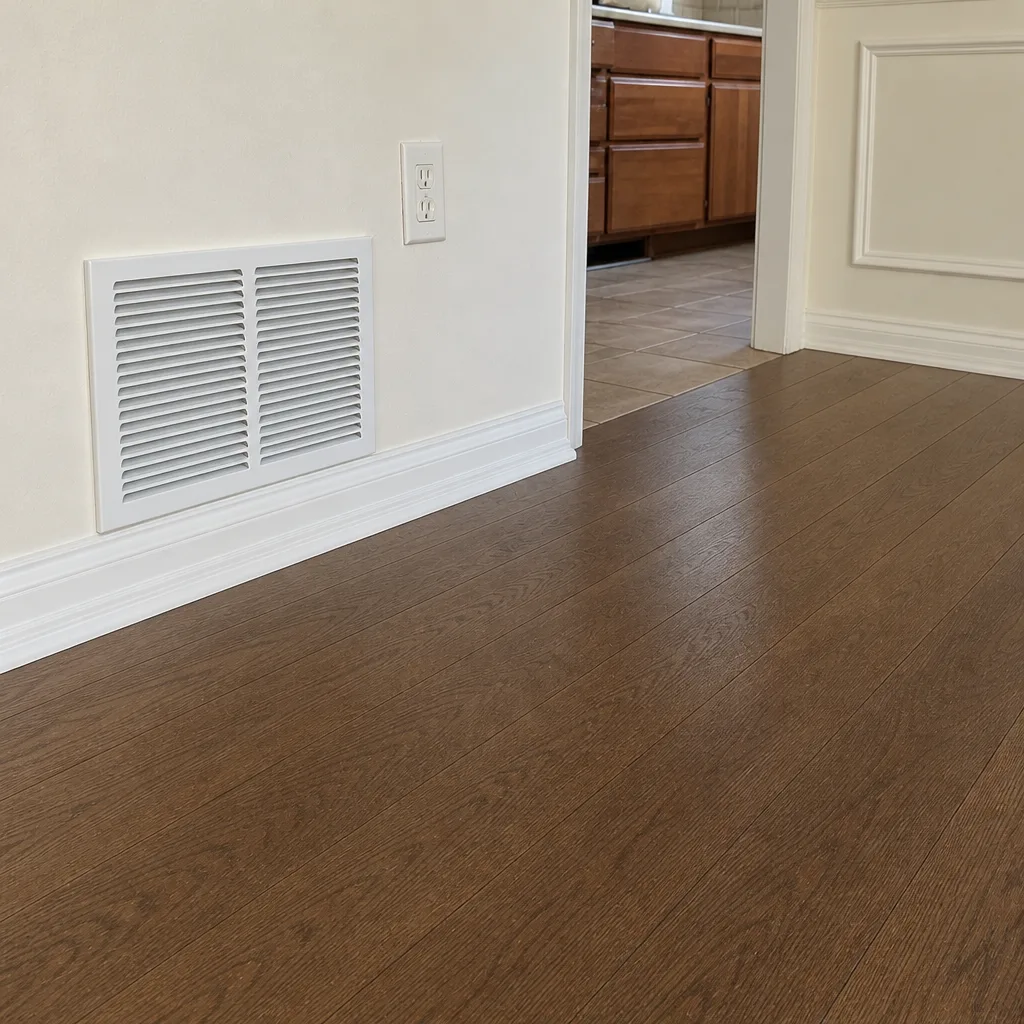
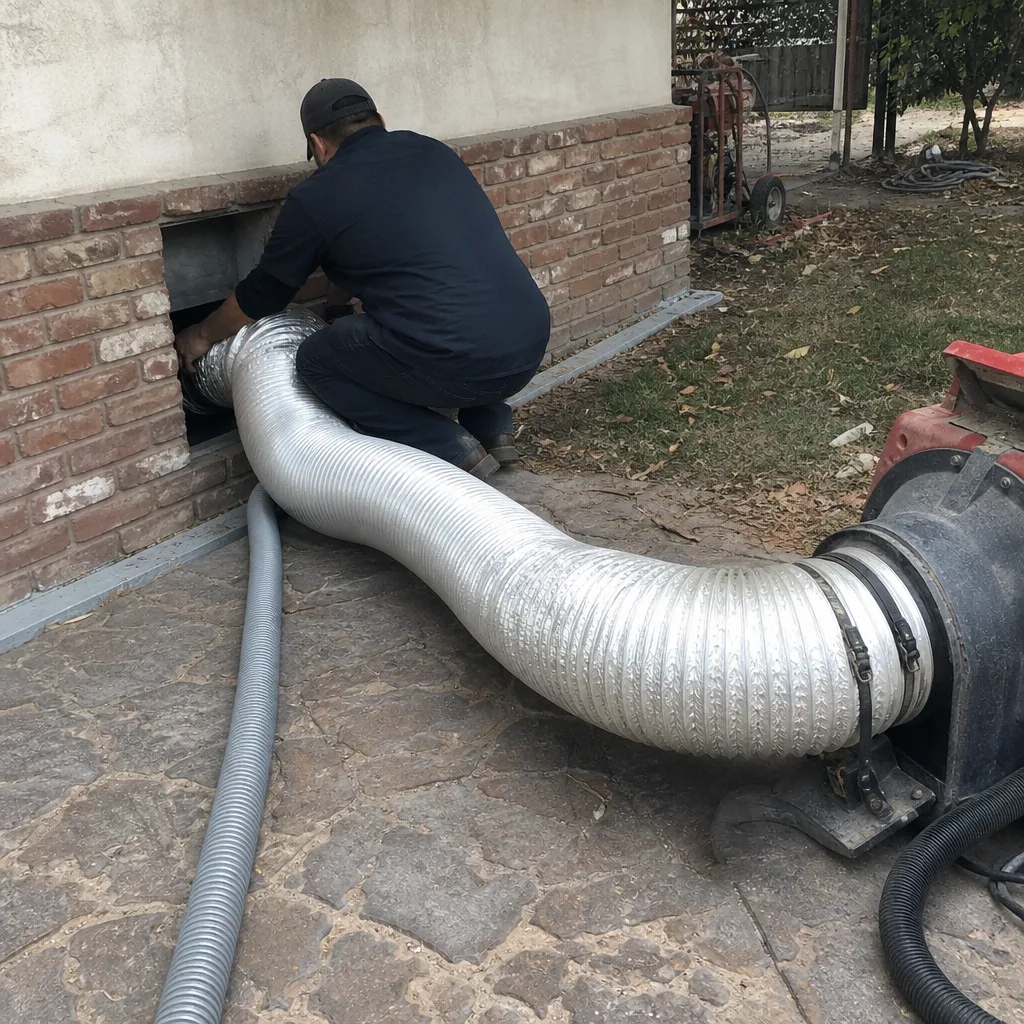
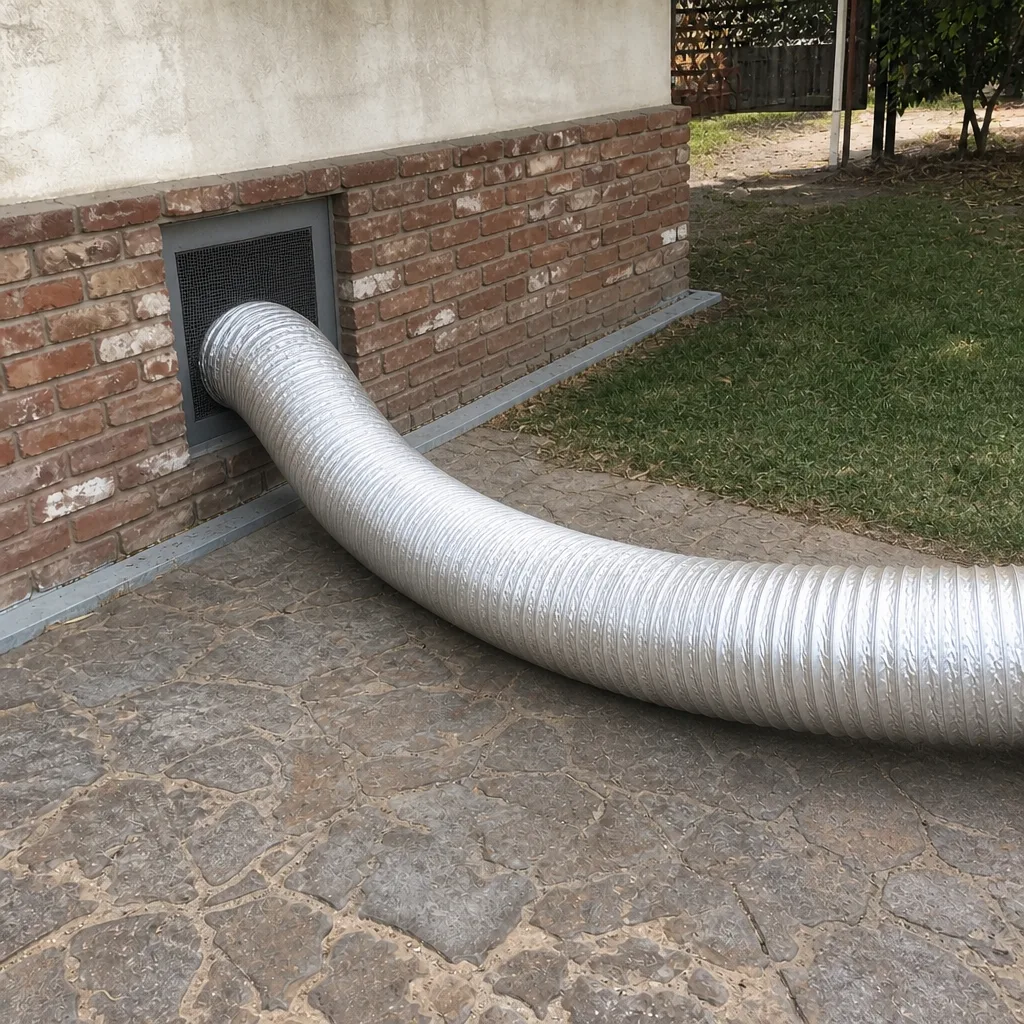
Whole-system duct and dryer vent check with before-and-after photos - you see exactly what came out of your vents
That "$99 whole-house special" is a bait ad - the real number appears once they are in your hallway, or the "clean" is a shop-vac at the register. We photograph the inside of your ducts before and after instead.
Air Duct Cleaning Emergency Preparedness Guide for Visalia Homes
Most homeowners think about their ducts only when something already smells wrong. That’s backwards. In Visalia, the emergencies that hit a duct system hardest – wildfire smoke pushed down the valley, ag chemical drift off nearby fields, water finding its way into a roof cavity or condensate pan – are all events you can prepare for before they arrive. The 2020 wildfire smoke episodes drove Central Valley air quality into hazardous territory for weeks, and plenty of people did the natural thing: they kept the air conditioner running because it was over 100 degrees outside. That pulled smoke straight into their return ducts, where fine ash settled into insulation, joints, and the air handler. Some of it is still there.
This guide gives you a clear protocol for three things: what to change before a bad-air event, how to sort out what actually needs cleaning afterward, and how to respond in the first couple of days after water gets into ductwork. You’ll also learn what insurance adjusters want to see, and how to build an emergency contact list now so you’re not Googling at midnight while smoke seeps under the door.
One note up front: this is not about DIY duct cleaning. It’s about knowing when to act, what to do first, and when to bring in professional equipment. Air you can’t see deserves equipment you can trust.
Quick Answer
Air duct cleaning after a wildfire smoke event in Visalia is worth doing when your system ran for hours during heavy smoke and you notice lingering odor, visible dust at the registers, or allergy-type symptoms that started after the event. The right response is a pre-event filter upgrade, a post-event assessment of both ducts and air handler, and a fast call within 48 to 72 hours if water has entered any duct material. Professional cleaning with HEPA-rated equipment removes residue that a standard vacuum cannot.
Styles & brands we work with
- Whole-home duct cleaning
- Dryer vent cleaning
- Camera inspection
- Sanitizing & deodorizing
Table of Contents
- Pre-Event Protocol: What to Do Before the Smoke Arrives
- How to Assess Your Ducts After a Wildfire Smoke Event
- Water Intrusion: The 48 to 72 Hour Window
- What Insurance Adjusters Look For After a Covered Event
- Building Your Emergency Contact Plan
- Why Duct Repair Matters in a Crisis
- Dryer Vents: The Emergency You Can Prevent
- Visalia Neighborhoods and Agricultural Considerations
Pre-Event Protocol: What to Do Before the Smoke Arrives
The single best time to protect your duct system from wildfire smoke is the day before the smoke arrives. When the National Weather Service or the local air district forecasts hazardous air quality in the Visalia area, you have a short window to act. What you do in that window determines how much smoke ends up in your ducts.
Here’s the order that works:
- Upgrade your filter before the event. A standard 1-inch fiberglass filter won’t stop fine smoke particles. Move to the highest MERV rating your system’s manufacturer allows – typically MERV 11 to MERV 13 for residential systems. Don’t overshoot. A filter that’s too restrictive slows airflow and can stress the blower.
- Stock backup filters. During a multi-week event, your filter will load up fast. Buy two or three spares ahead of time. Replacing a clogged filter mid-event costs a few dollars; running a clogged one recirculates particles and can overheat components.
- Seal gaps around filter slots and return grilles. Smoke finds the smallest gaps. Weatherstripping a return air grille is a ten-minute job that pays off during a smoke event.
- Set your thermostat to re circulate. If your system has a fresh-air intake or economizer damper, close it during a smoke event. Your goal is to keep outside air out.
- Document before the event. Take a photo of your filter slot, your registers, and your return grille. This gives you a “before” image that’s useful if you later need to prove that smoke caused the buildup.
The most common mistake we see is waiting until the smoke is already in the air. By then, an upgrade is a hassle and hardware stores in Visalia are sold out of filters. Preparing now means you’re not scrambling when it matters.
For a deeper look at scheduling professional cleaning ahead of an event, our service page on air duct cleaning explains what a full-system visit covers.
How to Assess Your Ducts After a Wildfire Smoke Event
The day after a smoke event ends, the big question is this: do I need duct cleaning, air handler coil cleaning, or both? The answer depends on how long your system ran, how hard it worked, and what condition the air handler is in. Here’s how to sort it out.
Signs that your ducts likely need cleaning:
- You can smell smoke when the blower starts, even after outdoor air has cleared.
- Visible ash or dark dust past the return grille or on register louvers.
- New allergy or asthma symptoms that appeared during or after the event.
- Your system ran for hours or days during hazardous-air days, especially with a standard low-MERV filter.
Signs that your air handler coil may need attention:
- Reduced cooling capacity even after a clean filter.
- Musty or smoky smell that doesn’t clear after cleaning registers.
- Any time duct cleaning was needed after a heavy-smoke event, the coil should at minimum be inspected. Coils trap fine particles the same way ducts do.
In practice, the answer is often “both.” When a Visalia system runs through a long smoke event, particulate moves into the return ducts, then hits the evaporator coil, then recirculates. Cleaning the ducts without at least checking the coil leaves part of the problem in place.
The determining factor is how long your system ran. A few hours with the windows closed and a decent filter might just need a filter change. Two weeks of running while the AQI was hazardous? That’s a full-system evaluation.
If you’re not sure which category you fall into, a professional assessment resolves it quickly. Our team at Duct Cleaning Visalia inspects coils, ducts, and the air handler as part of a single visit.
Water Intrusion: The 48 to 72 Hour Window
Water in ductwork is a different class of emergency than smoke. Smoke residue sits in the system and degrades air quality. Water that reaches duct material – flexible duct insulation, interior fiberglass liner, or the plenum – can start supporting mold colonization in 48 to 72 hours. That window is not a guess; it reflects how quickly mold spores that are already present can find purchase in a damp, dark, temperature-steady environment. A duct is nearly the ideal habitat.
Water reaches ducts in Visalia through three main paths:
- Roof leaks after a heavy rain event (even short, intense storms can leave a wet patch in an attic)
- HVAC condensate overflow – a clogged drain line or a failing pan
- Any localized flooding that reaches the HVAC equipment or under-floor duct runs
What to do in the first 48 hours:
- Stop the water source first. Fix the roof leak, clear the condensate line, or turn off the system until the source is addressed.
- Turn the system off. Running air through wet ducts spreads moisture and mold spores through the whole house.
- Document everything. Photograph the water intrusion point, the wet material, and any visible staining. Note the date and time you found it.
- Call a duct professional within the first 24 hours. The remediation clock starts when moisture reaches the material, not when you notice the smell.
- Don’t run household fans or a shop vac through wet ducts. Household equipment can push moisture deeper into insulation.
Some duct sections can be dried and cleaned if addressed fast. Sections with saturated insulation usually can’t be saved, and removal plus replacement is the right call. Duct Cleaning Visalia handles structural air duct repair and replacement alongside cleaning, so the same visit can address both. You can read more about the wider range of services on the Duct Cleaning Visalia home page.
What Insurance Adjusters Look For After a Covered Event
If a wildfire, water intrusion, or another covered event drives the need for duct cleaning or structural duct repair, your documentation determines how smoothly the claim goes. Adjusters aren’t suspicious by default – they’re proof-driven. What they need is a paper trail that connects the event to the damage and a professional report that justifies the scope.
Gather the following:
- Date-of-loss evidence. A screenshot of the air quality alert, the storm report, or the water-damage discovery date.
- Before photos. Registers, return grilles, filter condition, and any water staining. Date stamps help.
- A written scope from the contractor. The report should describe what was inspected, what was found, what work is recommended, and why. Attic access, any removal of wet material, and the coil condition should appear here.
- Equipment used. HEPA vacuum specifications and air-filtration equipment details strengthen the case that the work was necessary and done correctly.
- Before-and-after photos of your own system. Adjusters want to see the actual ducts, not stock images.
When we perform this kind of work, the report is part of the deliverable. We use Rotobrush rotary-brush cleaning systems and Nikro HEPA-rated vacuum rigs because that’s the equipment standard the restoration and remediation industry expects. Abatement Technologies air filtration runs during the job to contain dislodged particulates inside the home instead of recirculating them. You can work with your insurer using that documentation.
What adjusters don’t want to see: an invoice with a single line item and no detail. Ask for a scope that lists inspection, cleaning, and any repair as separate line items.
Building Your Emergency Contact Plan
Here’s the thing people learn the hard way: during a regional smoke event or after a big storm, everyone in the county is calling every duct company at once. The people who wait until the emergency to look for a contractor get the slowest response. The people who already have a number on the fridge get on the schedule.
Build your plan now. It takes about twenty minutes.
- Identify a duct specialist that runs contractor-tier equipment. A truck-mounted or high-capacity HEPA vacuum system responds faster and cleans deeper than a shop-vac setup. Ask in advance what equipment they use. Rotobrush and Nikro are the names to know.
- Ask whether repair is in-house. If your emergency involves water-damaged or crushed duct runs, you don’t want to be funneled to a separate contractor mid-crisis. Duct Cleaning Visalia handles cleaning, repair, and dryer vent service as one scope.
- Confirm filtration containment. Any contractor cleaning ducts in an occupied home during a smoke event should be running containment filtration (like Abatement Technologies units) while the work happens.
- Save the phone number somewhere physical. Not just in your phone. If the power is out, a written number on the fridge matters. Our number is (855) 970-3448. We answer 24/7. Fast dispatch from 7am to 7pm, Sunday through Friday.
- Note the insurance reporting step. Ask your insurer in advance what receipts and reports they’d need for a duct-related claim. A five-minute call now saves an hour later.
Visalia sits in a region where wildfire smoke, dust storms from the San Joaquin Valley floor, and sudden water intrusion are all realistic scenarios. Preparation is not paranoia. It’s just knowing which number to dial.
Why Duct Repair Matters in a Crisis
Aging or damaged ductwork amplifies every emergency. A small leak at a joint, common in homes built decades ago, means that smoke during a wildfire event gets pulled in through the attic instead of from your return. A crushed or disconnected run means half your house isn’t being conditioned and the system works harder for less. During a smoke or water emergency, duct defects turn a manageable problem into a whole-house issue.
Signs your ducts may need repair, not just cleaning:
- Different rooms in the house feel very different in temperature
- You hear whistling, rattle, or excessive whooshing at registers
- Dust appears quickly on surfaces in one room only
- Your energy bill crept up with no other explanation
- You can see physical damage at exposed runs in the attic or garage
Visalia’s older housing stock has plenty of duct systems that have never been inspected since installation. During a crisis, those defects come calling. Repairing them on the same visit as cleaning avoids two separate service calls and leaves the system actually able to do its job when the next smoke event rolls through.
We prefer to work with the duct system as a whole – clean it, repair what’s damaged, and confirm the system is sealed – rather than treating cleaning as an isolated task. Our technicians have up to 15 years of experience working specifically on duct systems.
Dryer Vents: The Emergency You Can Prevent
Some emergencies come from outside. Some come from inside the laundry closet. A clogged dryer vent is a fire risk, and it’s one of the most preventable emergencies on this list. Dryer vent cleaning is a documented fire-prevention measure – the U.S. Fire Administration recommends it annually – and yet it’s the maintenance task almost everyone skips.
Why it matters in a preparedness guide: during a smoke event or a water emergency, the last thing you need is another systemic risk running unattended in your home. Get the dryer vent cleared as part of your overall home readline, not just when the lint trap starts overflowing.
Warning signs your dryer vent needs service now:
- Clothes take more than one cycle to dry
- The dryer surface feels hot to the touch
- You can’t feel airflow at the exterior vent hood
- There’s a burnt or musty smell during or after a load
Our sister service, dryer vent cleaning, handles this as a standalone visit. It’s a straightforward job that takes under an hour and removes one entirely avoidable risk from your home.
If your home is in one of the older Visalia neighborhoods, dryer vent runs may be longer or more convoluted than typical new construction, which makes annual cleaning more important rather than less.
Visalia Neighborhoods and Agricultural Considerations
Every region has its own version of “air quality headache.” In Visalia, it’s a combination of wildfire smoke pushed down the Central Valley, summer dust kicked up by agricultural operations on the valley floor, and the inversion layer that traps both. That combination means duct systems here take on more particulate load than a typical suburban home in a wetter, cleaner-air climate.
Homes closer to the outer edges of town – on the northwest side near the fields, or the southeast toward the ag land – tend to see more dust infiltration through windows, door gaskets, and return air paths. Mid-town neighborhoods with older housing stock often have duct systems that were installed decades ago and never re-sealed. Both types benefit from a pre-season inspection.
What’s worth knowing for Visalia specifically:
- Smoke and dust events happen here most often in late summer and fall, so the pre-event prep window is June through August
- Winter water intrusion is less common than in colder climates, but roof leaks after our heavier rain events are real, and condensate overflow is a year-round risk in summer
- The valley’s temperature swings mean attic duct runs expand and contract more, which stresses joints over time
If you’re unsure how your own system stacks up, a walk-through assessment is the fastest way to find out. Our technicians know the typical duct patterns in Visalia homes and what to look for. Read more about the broader service scope on our Duct Cleaning Visalia page.
Common Mistakes to Avoid
- Running the air conditioner full-blast during a smoke event. Yes, it’s 105 degrees outside. But running your system with a standard filter during hazardous smoke pulls smoke directly into the return. Upgrade the filter first, or run a portable room air cleaner in the room you’re using.
- Assuming the ducts are fine because the house “smells normal.” Smoke residue and fine particulate settle into insulation, joints, and the air handler. A cleared smell doesn’t mean a cleared system. Visual assessment with a scope or camera is the reliable test.
- Using a shop vac on water-damaged duct material. A shop vac can push moisture deeper into insulation and spread spores to other parts of the house. Wet duct material needs professional HEPA containment and often removal.
- Cleaning ducts but skipping the air handler. The coil and blower trap as much particulate as the ducts do. Cleaning one without assessing the other leaves residue in place.
- Waiting past 72 hours after water intrusion. Visalia’s warm interior temperatures accelerate mold colonization. The first 48 hours are the real window.
- Not documenting before cleanup. Once the contractor cleans, the “before” state is gone. Photograph the evidence before anything is removed.
- Skipping the dryer vent during a smoke event. Dryer vents clog with lint regardless of outdoor air quality, and a backup lint plug is a fire risk. Add vent cleaning to the same service visit.
See the difference
 Before
 After
 Before
 After
 Before
 After
When to Call a Professional
Call a duct professional if any of the following applies:
- Your system ran for several days during a smoke event and you can still smell smoke when the blower kicks on
- Water reached any duct material within the last 72 hours, or you’re unsure whether it did
- A roof leak, condensate overflow, or flooding affected the HVAC equipment or any duct run
- Your energy bill spiked without explanation, or one room is noticeably off from the rest of the house
- You’re filing an insurance claim and need a written scope of what’s actually wrong
Duct Cleaning Visalia offers free estimates in Visalia – call (855) 970-3448. We answer 24/7. Fast dispatch from 7am to 7pm, Sunday through Friday. Estimates are free, and the price is set per job by a written estimate agreed before any work starts.
Frequently Asked Questions
Whole-system air duct cleaning in Visalia typically runs from $350 to $700 depending on home size, number of registers, and whether repair work is included. The price we quote is per system, not per vent, and it’s set by a written estimate before work begins. Some operators advertise a low teaser price and then bill per vent, which is how a $79 coupon becomes a $700 invoice. Call (855) 970-3448 for an exact quote – estimates are free.
Schedule an assessment within one to two weeks of a significant smoke event in Visalia if your system was running during the event. The residue doesn’t become an emergency on day two, but it does settle deeper and bond more firmly to duct surfaces with time. An assessment identifies whether cleaning is warranted, and the actual cleaning can be scheduled when convenient.
Cheaper quotes usually reflect cheaper equipment – consumer-grade blowers rather than HEPA-rated vacuum rigs, and no containment filtration during the job. That means some of what they dislodge recirculates into your home instead of leaving it. Ask any contractor what equipment they use, what filtration runs during the visit, and what their written scope includes. The answers separate a real cleaning from a blower-and-go visit.
Ask for before-and-after photos of your own ducts, not stock images. A contractor running professional equipment can show you what was found and what was removed. When we finish a job, the report, the photos, and an itemized scope are part of the deliverable – not an upsell. Call (855) 970-3448 to schedule a free estimate and see the scope up front.
For most Visalia homes, every three to five years is the typical interval, but that stretches or shrinks depending on conditions. Homes near agricultural land, homes with pets, homes that ran through a heavy smoke event, or homes with any prior water intrusion should be assessed more often. The right question isn’t “how often” in general – it’s “what happened in my home since the last cleaning.”
No, and we’d strongly advise against trying. A shop vac has nowhere near the airflow or filtration of a HEPA-rated system, and it can stir fine smoke particulate back into the air you’re trying to protect. Fine ash and chemical residue from smoke events need contained HEPA extraction to remove. Call a professional rather than stirring the problem up. (855) 970-3448 for a free estimate.
The Bottom Line
Emergency preparedness for your duct system boils down to four moves. First, upgrade your filter and stock spares before a smoke event, not during it. Second, after any significant smoke event, get a professional assessment that looks at both the ducts and the air handler – not just one or the other. Third, if water reaches duct material, act inside 48 to 72 hours; that clock is real. Fourth, gather documentation before cleaning and confirm your insurance will accept the scope. Build a short emergency contact list now so you’re not searching for a contractor during a crisis. Duct Cleaning Visalia handles cleaning, repair, and dryer vent service under one roof, with contractor-tier equipment and containment filtration on every job.
Your ducts. Cleaned. Repaired. Done. Call (855) 970-3448. We answer 24/7. Fast dispatch from 7am to 7pm, Sunday through Friday.
Written by the team at Duct Cleaning Visalia.