
Last updated November 15, 2026
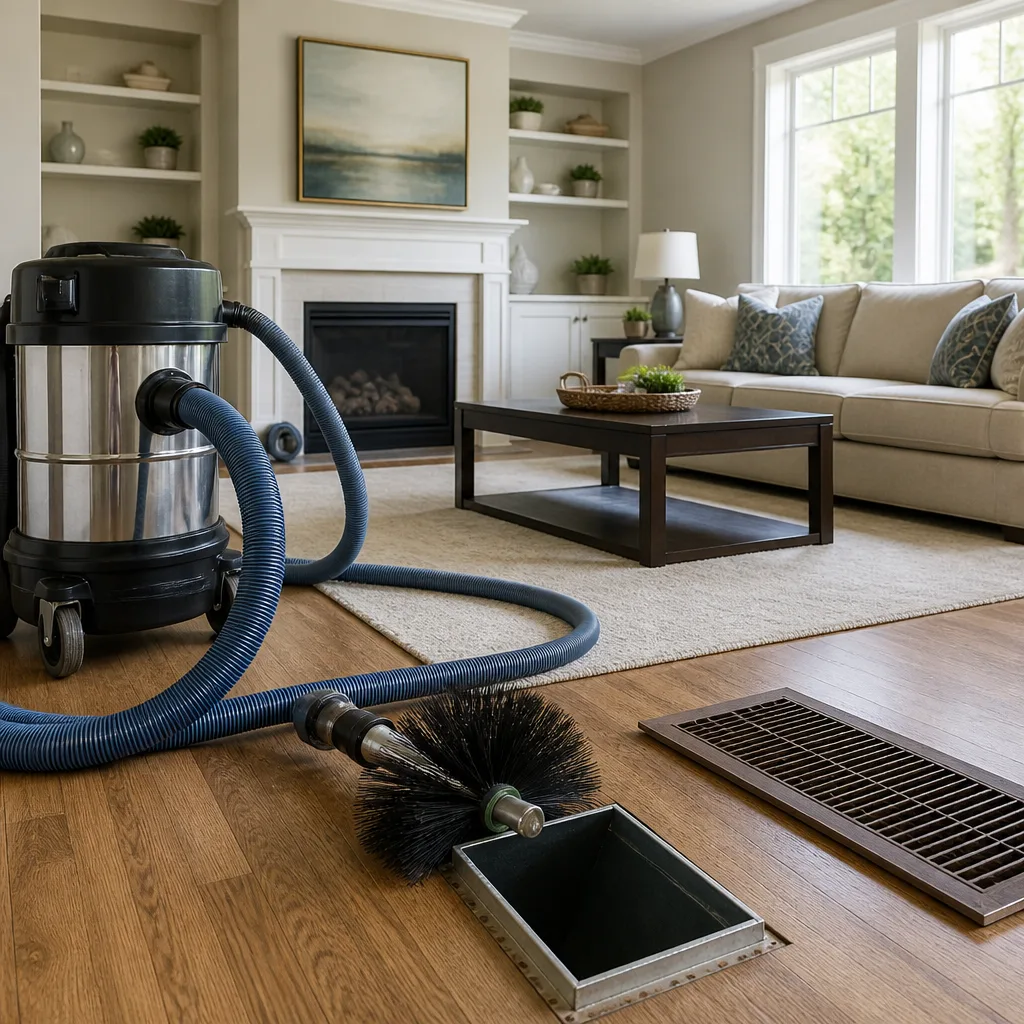 Whole-home duct cleaning
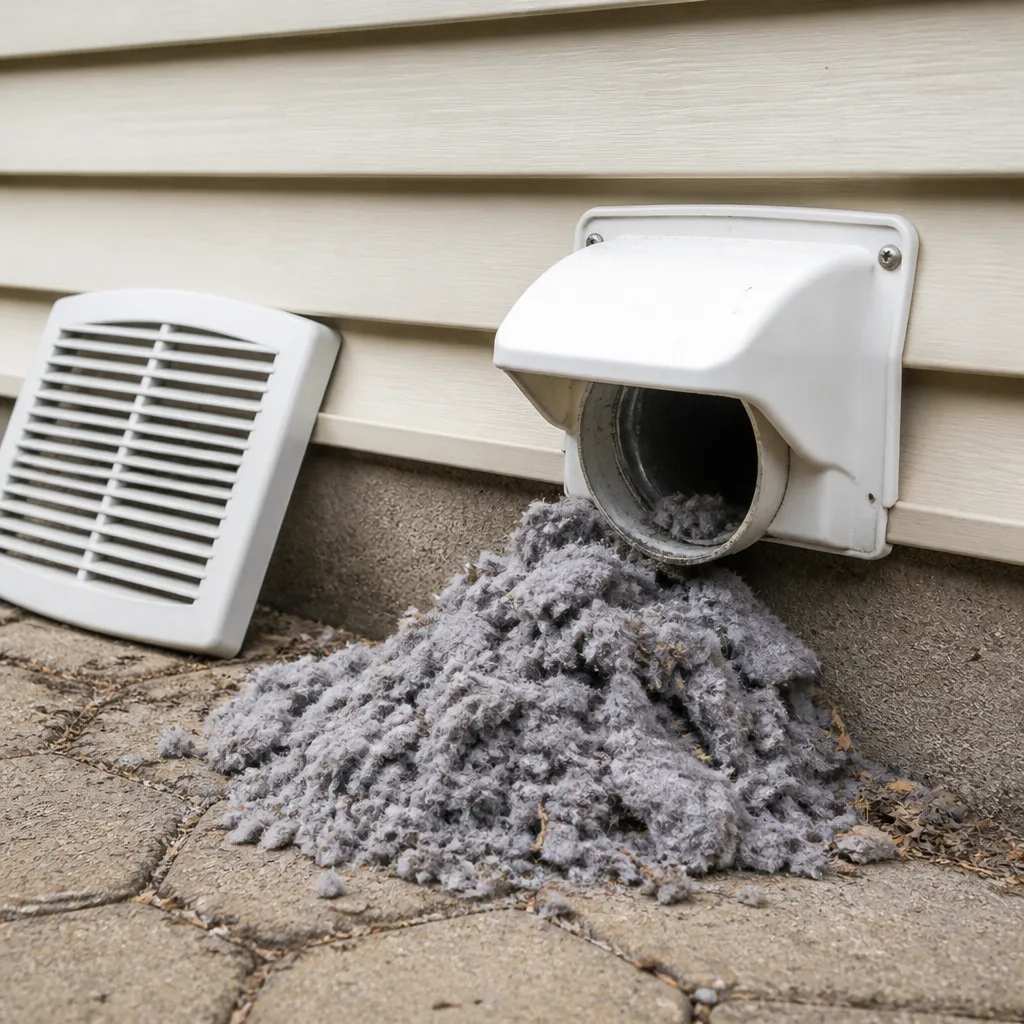 Dryer vent cleaning
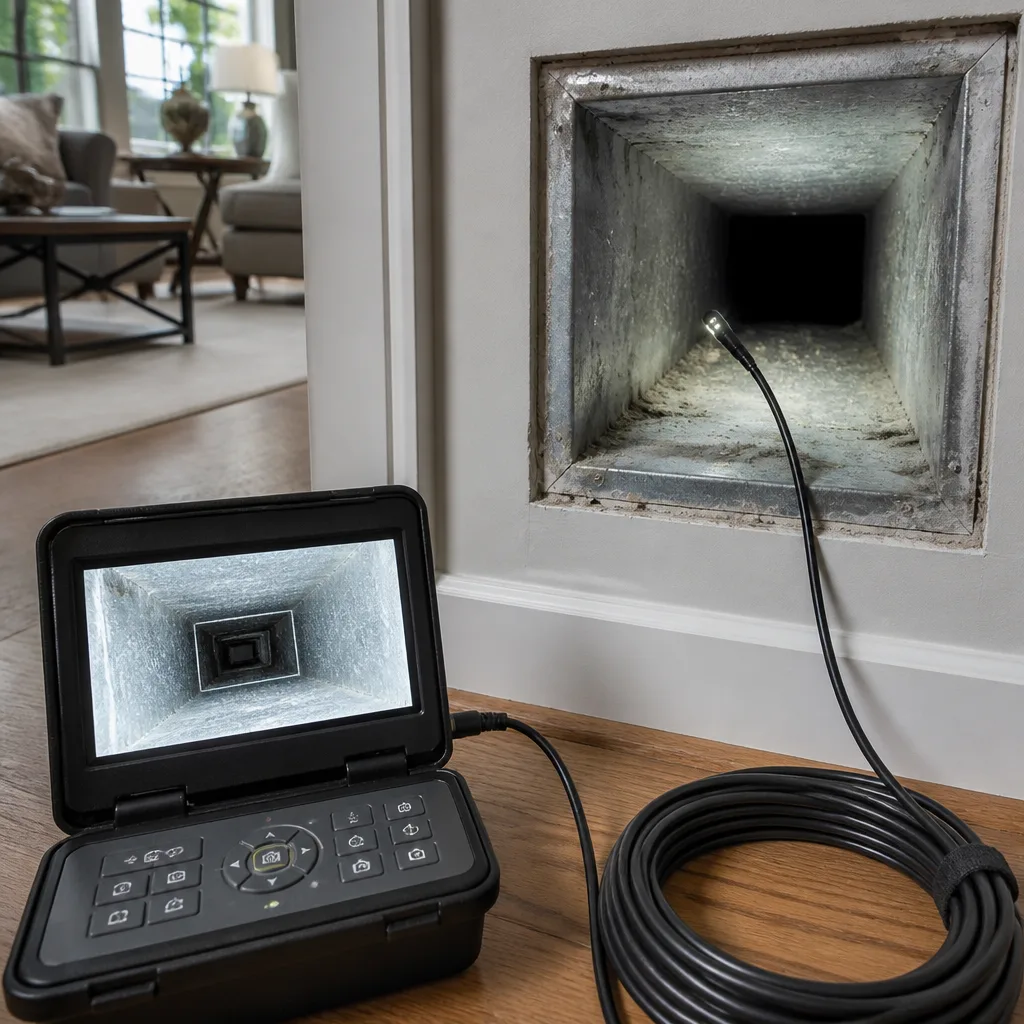 Camera inspection
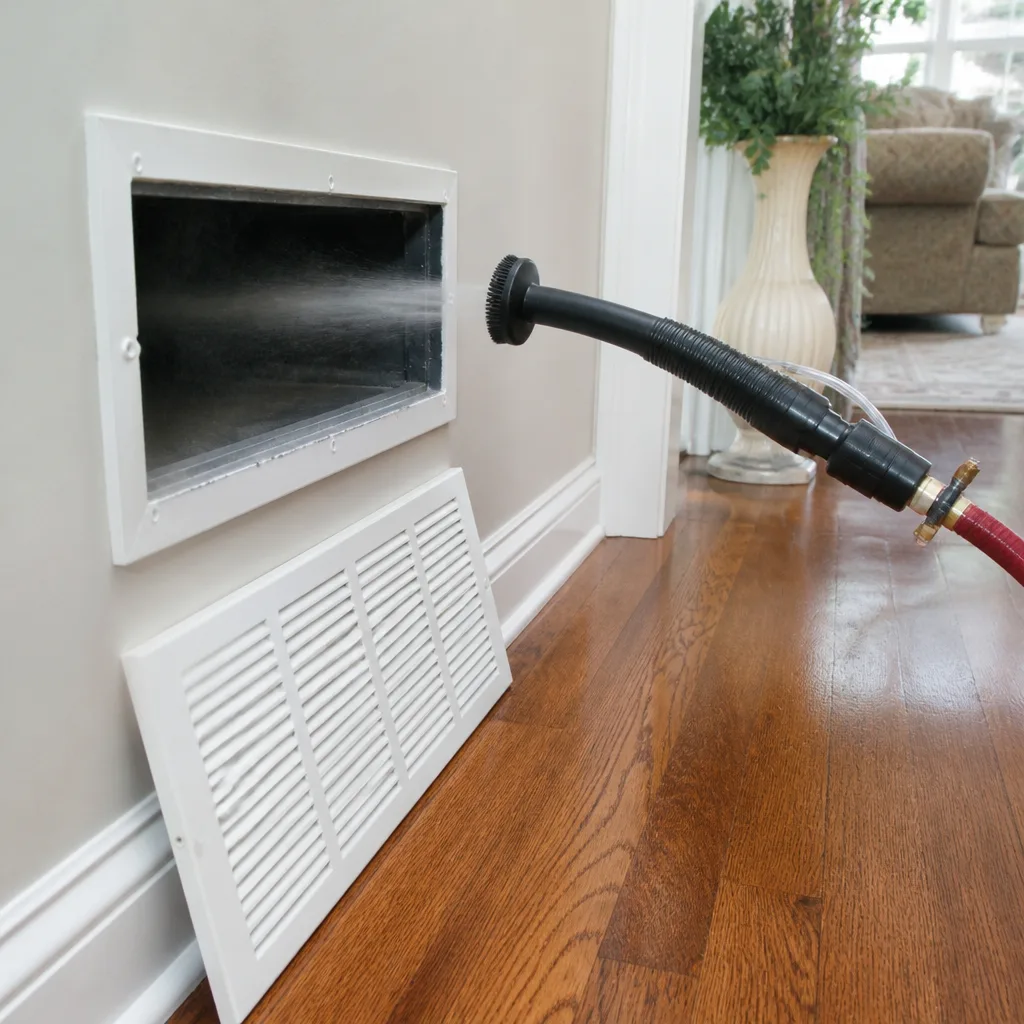 Sanitizing & deodorizing
Whole-system duct and dryer vent check with before-and-after photos - you see exactly what came out of your vents
That "$99 whole-house special" is a bait ad - the real number appears once they are in your hallway, or the "clean" is a shop-vac at the register. We photograph the inside of your ducts before and after instead.
DIY vs Professional Air Duct Cleaning: The Visalia Homeowner’s Decision Guide
Every consumer duct cleaning kit sold online creates the same problem: it agitates debris in the duct while the household HVAC fan blows that debris deeper into the system and into your living space. You feel productive. The ducts may actually look cleaner at the registers. But you’ve just re-aerosolized a season’s worth of contamination and pushed the fine fraction further into the trunk lines where you can’t reach it. This guide explains the physics behind that outcome, shows what a homeowner can safely do alone in a Visalia home, and lays out exactly when the rental-kit math stops working in your favor.
Quick Answer
DIY duct cleaning works for surface tasks like register wiping and filter changes, but it cannot clean a duct system. Pulling contamination out of ductwork requires sustained negative pressure and airflow volume that consumer vacuums and rental blowers don’t produce, so a DIY attempt mostly redistributes debris inside the system. In Visalia’s fine-particulate environment, that redistribution can leave the air in your home worse than before you started, which is why professional cleaning is the right call for any duct system that has gone more than a few years without service.
Styles & brands we work with
- Whole-home duct cleaning
- Dryer vent cleaning
- Camera inspection
- Sanitizing & deodorizing
Table of Contents
- The Physics Problem: Why Airflow Direction Decides Everything
- What You Can Legitimately Do Yourself
- Where DIY Attempts Go Wrong and Cost More Later
- The Real Cost Math: Rental Kits vs One Professional Service
- Why Visalia’s Air Raises the Stakes
- The Dryer Vent Exception: A Safety Issue, Not a Cleaning Chore
- How to Judge a Professional Duct Cleaning Visit
- Common Mistakes to Avoid
- When to Call a Professional
The Physics Problem: Why Airflow Direction Decides Everything
Duct cleaning is a containment job before it’s a scrubbing job. The goal is to pull contamination out of the system and hold it inside a vacuum or filtration unit long enough to remove it from your home. Everything else is secondary. That’s why the numbers that matter on a duct cleaning machine are CFM (cubic feet per minute of airflow) and static pressure (the suction the machine can hold against resistance). Consumer equipment runs at a fraction of the airflow and pressure a professional rig generates, and the gap isn’t small.
A household shop vac pulls somewhere around 100 to 200 CFM at the hose, and its static pressure collapses as soon as you connect a long run of flexible hose. A truck-mounted or high-capacity portable duct cleaning unit moves many times that volume and holds pressure across the length of a trunk line. When the vacuum is attached to a cut-in access point on the main trunk and the system is under proper negative pressure, loose debris in the branches gets pulled toward the vacuum, not toward your living room. Add a rotary brush running on a flexible shaft and the agitation happens while the vacuum is holding the material, not after.
What does a shop vac with a homemade adapter actually do? It creates a small pressure differential at one register while the household air handler continues to operate. Air still moves through the system in its normal direction, which is out toward your rooms. Any debris loosened by the hose or brush is airborne in the duct at that moment. Some gets captured. Much of it gets pushed downstream into the supply runs, the plenum, or straight through a return grille into the room. You’ve spent an afternoon and you’ve essentially vacuumed the inside of a chimney while the fire was lit.
What “Negative Pressure” Actually Means in a Duct System
Negative pressure in a duct means the pressure inside the duct is lower than the pressure in the room it serves. Air flows from higher to lower pressure, so a duct under negative pressure draws air in from the room. That’s how a professional setup works: the vacuum is pulling on one end while the technician seals or works registers on the other end, and the pressure difference keeps the debris traveling toward the machine. A consumer setup rarely achieves that reliably because the air handler is still running and the seals aren’t tight enough to hold pressure. The result is unfiltered air recirculating through your home while a loosened layer of dust and biological material becomes airborne.
We run a duct cleaning Visalia service on Rotobrush rotary-brush systems with Nikro HEPA-rated vacuum rigs, and the reason we invest in contractor-tier equipment is exactly this: sustained negative pressure and containment are the whole job. Without them, agitation just mobilizes what was settled. Air you can’t see deserves equipment you can trust.
What You Can Legitimately Do Yourself
Here’s the honest part. There are real tasks in duct and air quality maintenance that a homeowner should do, and doing them saves money without risk. What you shouldn’t do is try to clean inside the ductwork itself. The list below is everything we’d suggest a Visalia homeowner take on personally between professional visits.
- Change or clean the filter on schedule. A clogged filter restricts airflow and forces the system to work harder, which pushes more dust into the return side. Check the filter monthly during heavy use months and replace it when it’s visibly loaded. A pleated filter with a higher MERV rating catches more fine particulate, but watch the pressure drop on older systems.
- Wipe down registers and grilles. Remove the supply and return grilles and wash them in the sink or with a hose. The grille face accumulates dust faster than the duct behind it because it’s the first surface the air hits. This is a five-minute job per grille and makes a visible difference.
- Vacuum around the register openings. With the grille off, use a household vacuum with a brush attachment around the lip of the opening and the exposed drywall edge. Stop at the metal. Do not push the wand down into the duct.
- Look, don’t touch. Use a flashlight to peer into the duct through an open register. You’re looking for visible dust buildup, debris, pest evidence, or disconnected sections. If you see heavy buildup or a fallen duct section, that’s a professional call, and noting it helps the technician start in the right place.
- Keep the return path clear. Furniture pushed against return grilles, rugs covering registers, and closed doors that block return airflow all make the system pull harder and dustier. Rearranging a room is free.
- Check the dryer vent exterior flap. Look at the outside termination. If the flap doesn’t open when the dryer runs, or you can see lint packed at the opening, that’s a dryer vent cleaning issue, not a DIY poke-with-a-stick project.
That list is worth doing. None of it requires special tools, and none of it risks pushing contamination deeper into the system. What every one of those tasks has in common is that it stays outside the duct or on the surface of it. The moment you go inside the duct with an unsealed piece of consumer equipment, the physics argument from the previous section takes over.
Where DIY Attempts Go Wrong and Cost More Later
Most of the calls we get after a homeowner tried a DIY kit fall into three categories: debris that got agitated rather than removed, material that got dislodged from where it had settled and landed somewhere worse, or duct components damaged by improvised tools. Each of these turns a routine professional cleaning into a longer and more involved job.
Agitated biological material. In humid months, dust that accumulates in a duct system can support biological growth on the interior surfaces, especially near the evaporator coil and in the return plenum where conditions stay damp longer. When this material is settled, it’s not circulating. When a consumer blower or shop vac agitates it, fine particles carrying spores become airborne and travel into the living space through every register. A homeowner with allergies or asthma can notice the difference in a day. A professional setup keeps that material contained inside a HEPA-rated vacuum and an air-filtration unit running in the room during service, which is what we use Abatement Technologies equipment for.
Dislodged insulation debris. Many duct systems in older Visalia homes have internal duct liner, and some older flexible duct runs have insulation that has aged into a fragile, fibrous state. A rotary brush run at the wrong speed or at the wrong angle through that material can break it loose. Once insulation fibers are loose in the airstream, they don’t settle quietly. They coat the interior of downstream runs and turn a cleaning into a repair.
Flex duct damage. Flexible duct is a wire helix wrapped in a plastic liner and insulation. Push a stiff brush or a vacuum wand into a flex run with too much force and you can tear the liner, kink the run, or knock the inner core loose from its connections. Flex duct is common on supply runs from plenum to ceiling registers, and it doesn’t tolerate rough treatment. Repairing or replacing a damaged flex run is a separate job from cleaning, and it’s the kind of thing we see a lot when we’re called after a DIY attempt.
- Agitated mold spores that are now in the living space instead of settled in the duct
- Loose insulation fibers coating the downstream duct interior
- Torn or kinked flex duct that now needs repair, not just cleaning
- Disconnected joints from a pushed-in wand that now leak air into a wall cavity
- A register grille that got bent and no longer seals
None of these scenarios are catastrophic on their own, but each one raises the scope of the professional follow-up. That’s the hidden cost of a DIY attempt: the second visit is often bigger than the first one would have been.
The Real Cost Math: Rental Kits vs One Professional Service
Homeowners usually compare a rental or a kit purchase against a professional quote and stop there. The full comparison has more moving parts. Here’s how the two sides actually stack up, not just in dollars but in whether the outcome actually happens.
- Rental equipment: A consumer-grade duct cleaning attachment for a shop vac runs in the low hundreds to purchase, and the shop vac itself is either rented or already owned. Rented duct cleaning rigs are rare at consumer rental counters because the equipment is specialized, and the ones that exist are still a fraction of professional capability.
- Time: A realistic DIY attempt across a full system in a mid-size Visalia home takes most of a day between removal of grilles, work at each register and return, setup, cleanup, and reinstallation. That’s a full day of physical work with uncertain results.
- Probability of completion: Most DIY attempts cover the supply and return registers they can reach from the floor and stop there. Trunk lines, the plenum, the evaporator housing, and the runs behind cabinetry are untouched. That’s the majority of the duct volume in a typical home.
- Probability of a follow-up visit: If the system actually needed cleaning for a reason (allergy symptoms, a renovation, recent pest activity, visible buildup), the DIY attempt doesn’t resolve the underlying condition. The professional call happens anyway, often with the added scope from dislodged material or damaged flex.
- Professional service: A single professional visit with contractor-grade equipment covers the full system, includes containment, and ends with before-and-after photos of the actual ducts so you know what was done. That last part matters when you’re the one paying for a service you can’t see.
The math becomes clear when you count the follow-up. One professional service done correctly avoids the cost of a failed DIY attempt plus the professional call that eventually happens anyway. The exceptions are small, simple systems that only need a light surface clean, and in those cases a homeowner may be able to skip the service entirely. For a system that genuinely needs cleaning, one visit done right beats two visits done partially. Your ducts. Cleaned. Repaired. Done.
Why Visalia’s Air Raises the Stakes
Visalia sits in California’s San Joaquin Valley, and the valley’s air basin holds fine particulate through a good chunk of the year. Agricultural dust, seasonal pollen, and the bowl-shaped geography that traps air in the valley all contribute to a local particulate load that’s higher than most of the country. That’s not a marketing talking point. It’s a fact that changes what a duct cleaning actually has to accomplish in a home here.
Fine particulate settles into ductwork slowly. In a lower-particulate region, a duct system might accumulate a similar depth of dust over a much longer period. In Visalia, the loading happens faster, and the fraction that accumulates is finer and lighter. That fine fraction is exactly the fraction a consumer shop vac misses on the exhaust side, because a standard shop vac’s filter doesn’t capture particles that small and blows them back into the room. The fine material you most need out is the material most likely to redistribute if you try to remove it yourself.
Add humidity. Visalia’s late summer and early fall bring monsoon moisture into the valley, and a duct system that has been running cold air during those humid stretches can develop condensation on interior surfaces near the evaporator coil and the return plenum. Where there’s moisture and settled dust, biological growth becomes a real possibility. Agitating that growth without containment moves spores into the air you breathe. Containing it while it’s removed is what a HEPA-rated vacuum and a running air-filtration unit are for. We run an Abatement Technologies filtration unit in the home during service specifically to keep dislodged particulate contained rather than recirculated.
What that means in practical terms for a homeowner in Visalia: the margin for a half-finished cleaning is narrower here than it would be in a coastal or high-altitude market. If a duct system has gone several years without professional service, or has been through a renovation or a pest problem, the honest answer is that a surface DIY clean isn’t going to move the needle. A full-system professional cleaning removes the particulate load and contains it, and it makes the biggest difference in the months when the valley air is at its worst.
For properties with tenants, the same logic applies with a landlord’s angle attached. A property that changes hands or turns over between tenants without duct service is a liability waiting for a complaint. A documented professional cleaning between tenancies is straightforward to show on a move-in checklist. We work with landlords throughout Visalia on routine maintenance and turnover cleaning.
The Dryer Vent Exception: A Safety Issue, Not a Cleaning Chore
Air duct cleaning is about air quality and system efficiency. Dryer vent cleaning is about fire risk, and it belongs in a different category. The U.S. Fire Administration recommends annual dryer vent cleaning as a fire-prevention measure, and lint accumulation in the vent run is the reason. Lint is highly flammable. A dryer running with a partially blocked vent builds heat, and the vent run is often the most neglected piece of ducting in the house.
What does that look like for a homeowner? A dryer that takes two cycles to dry a load, a dryer that feels hot to the touch on top, a vent flap outside that doesn’t open fully on a cycle, or a visible lint accumulation at the termination. Those are signs to get the vent cleaned, not signs to try a vacuum hose from the outside. The vent run often runs through a wall or attic space, has elbows and turns a household vacuum can’t navigate, and needs a proper brush and vacuum setup to clear end to end. Dryer vents are a fire risk, not a maintenance afterthought.
dryer vent cleaning is a standalone service for us precisely because it shouldn’t be lumped in with an air duct visit. If your dryer vent hasn’t been cleaned in a year or more and you can’t see daylight through the external flap when the dryer runs, that’s a call worth making on its own. We clean dryer vents across Visalia as either a standalone service or alongside an air duct visit.
There’s one more connected piece. If a duct system has a damaged or disconnected trunk, cleaning it is only half the job. We repair ducting, so a torn flex run or a disconnected joint gets fixed on the same visit rather than being handed off to another contractor. Your ducts. Cleaned. Repaired. Done.
How to Judge a Professional Duct Cleaning Visit
The duct cleaning industry has a reputation problem for a reason, and the way to protect yourself is to know what a competent visit looks like before you book. The checklist below is what a legitimate cleaning actually involves. If a company you call doesn’t do these things, you’re not getting the service the physics requires.
- Ask what equipment they use. A name-brand rotary-brush system and a HEPA-rated vacuum are the baseline. If the answer is “a big vacuum,” ask for the CFM rating and the containment setup. A company that can talk equipment specifics is a company that understands the job.
- Ask about containment. Air-filtration equipment running in the home during service is what keeps dislodged particulate out of your living space. A company that doesn’t run any filtration during a cleaning isn’t containing what it cleans.
- Ask about access points. A thorough cleaning requires cutting access into the main trunk line and sealing it afterward. If a company tells you it can do the whole system from the registers alone, it’s cleaning a fraction of the system.
- Ask for before-and-after photos. You can’t see inside your ducts. A camera photo before and after, of your ducts, is the proof of work. Ask for it upfront.
- Ask about repair capability. A torn flex run or disconnected joint found during cleaning should be fixable by the same company on the same visit. If the answer is “we only clean,” a damaged duct turns into a second call to a second contractor.
- Ask for a flat price per system, not per register. Per-vent pricing invites upcharges and makes quotes hard to compare. A flat price agreed before work starts is the cleanest way to hire the work.
- Ask about IAQ products after cleaning. A proper cleaning resets the system. Keeping it clean involves filtration, and that’s where name-brand products like Aprilaire and Guardsman filters and media come in. A company that stocks and recommends specific products is a company thinking past the cleaning visit.
If a company won’t answer those questions on the phone, that’s the answer. If it will, you’re talking to a shop that runs the job the way it needs to be run. Our technicians have up to 15 years of experience, and we’re trained specifically on duct systems rather than splitting time between ducting and other trades. That single-trade focus is why we can talk equipment and containment with homeowners who want to know the difference.
Common Mistakes to Avoid
- Renting a consumer duct cleaning attachment and calling it a cleaning. A shop vac with a duct attachment creates a small pressure differential at one register while the air handler keeps pushing debris downstream. It’s a feel-good task that redistributes more than it removes.
- Running the HVAC fan during a DIY attempt. Running the fan while you clean moves debris through the system and into the living space. Even a professional cleaning is done with the system off and under controlled vacuum.
- Pushing brushes into flex duct. Flex duct has a wire helix and a plastic liner that a stiff brush can tear. Kinked or torn flex duct needs repair, not cleaning, and that’s a separate job.
- Treating a dryer vent as an air duct. Dryer vent cleaning isn’t optional maintenance; it’s a fire-prevention measure the U.S. Fire Administration recommends annually. Clearing lint partially or not at all leaves the risk in place.
- Assuming visible dust at the registers means the system is clean or dirty. A register can look spotless while the trunk line behind it is loaded. Register appearance is not a system diagnosis, which is why before-and-after camera photos matter.
- Hiring a company that quotes per vent without looking at the system. Per-register pricing is a bait-and-switch setup: a small initial quote that grows once the technician is on site. A flat price per system agreed before work starts is the honest structure.
- Skipping the filter between cleanings. A loaded filter is one of the fastest ways to accelerate duct contamination. It’s free to check and cheap to change, and it’s the single biggest homeowner-controlled variable in keeping a cleaning useful.
See the difference
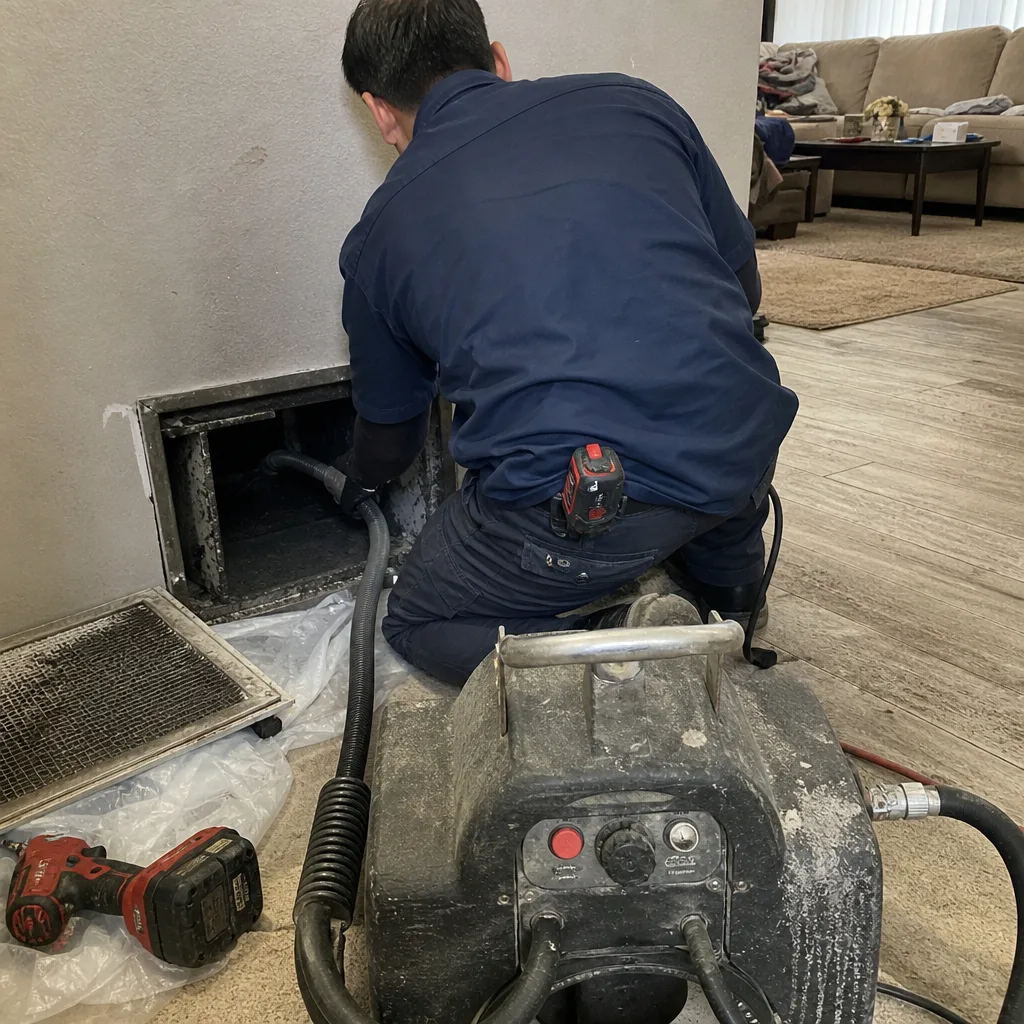 Before
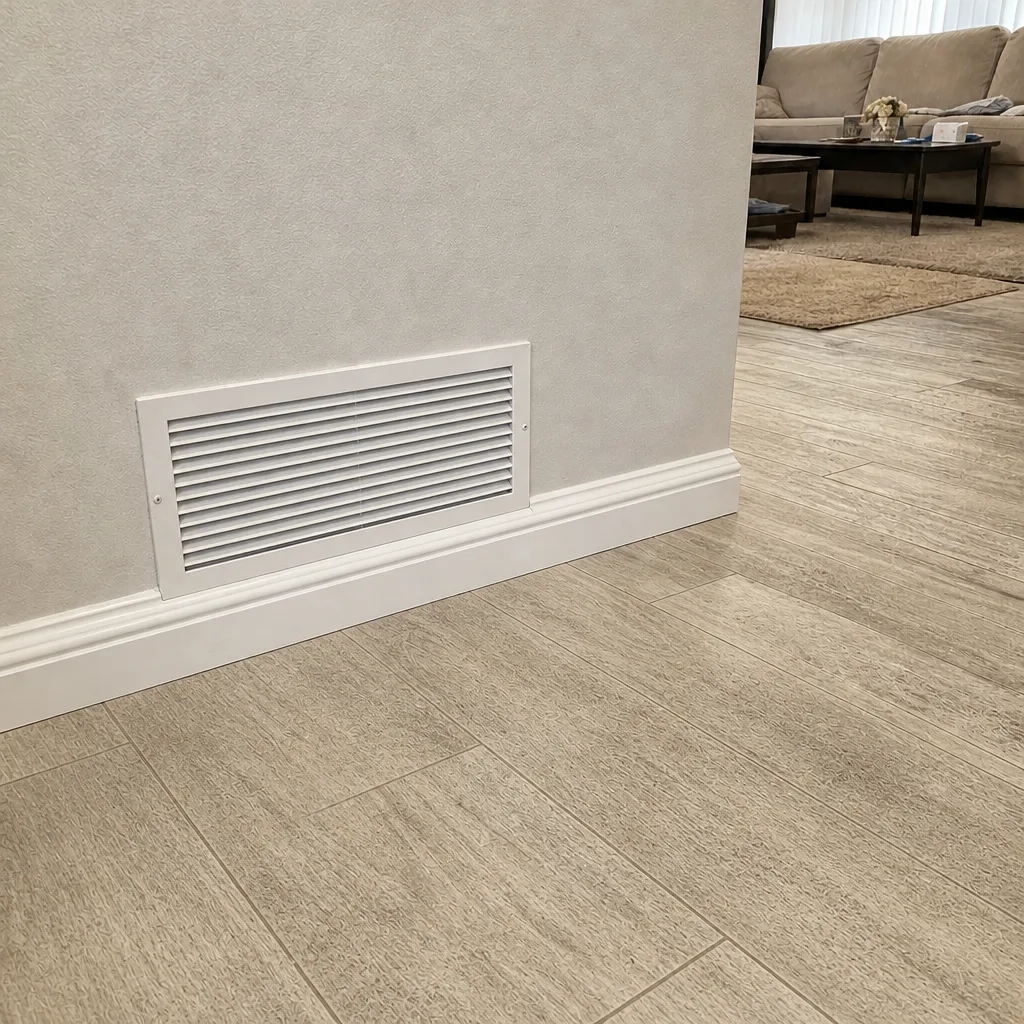 After
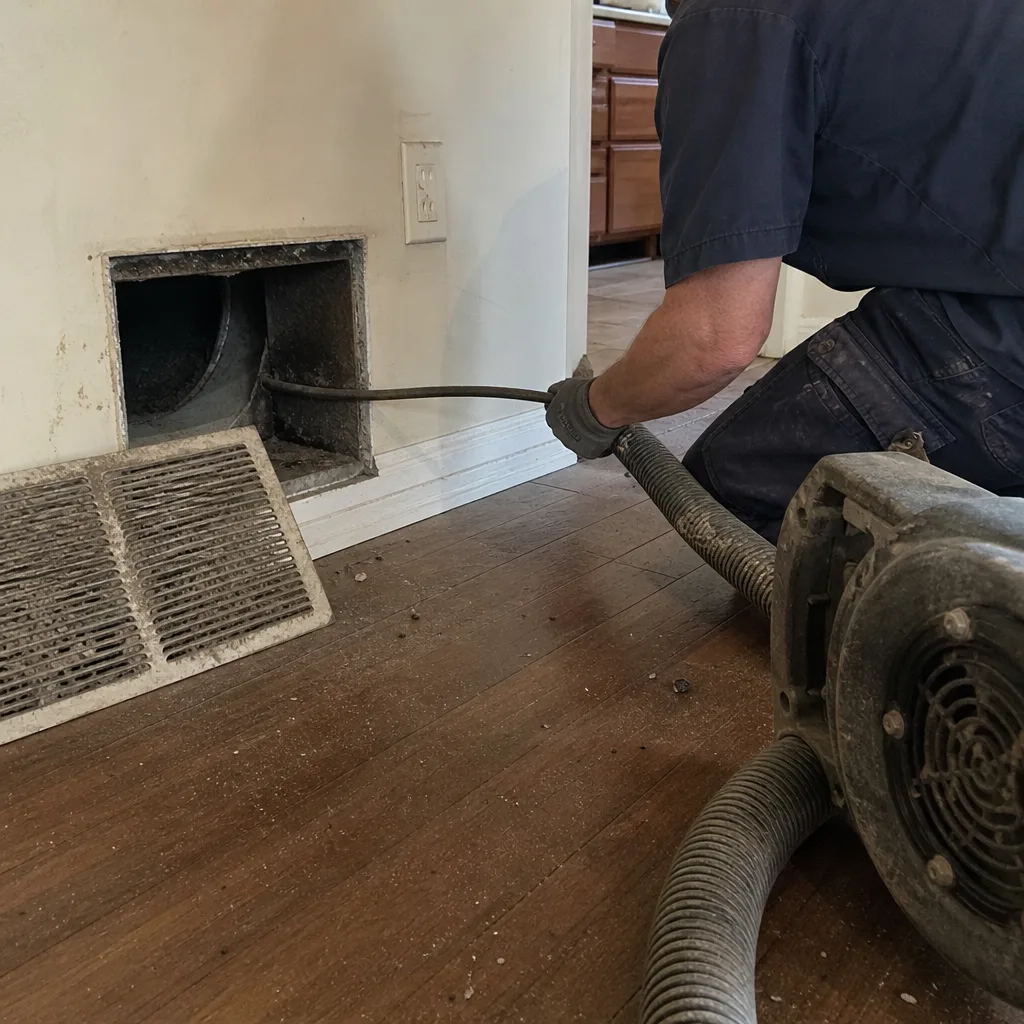 Before
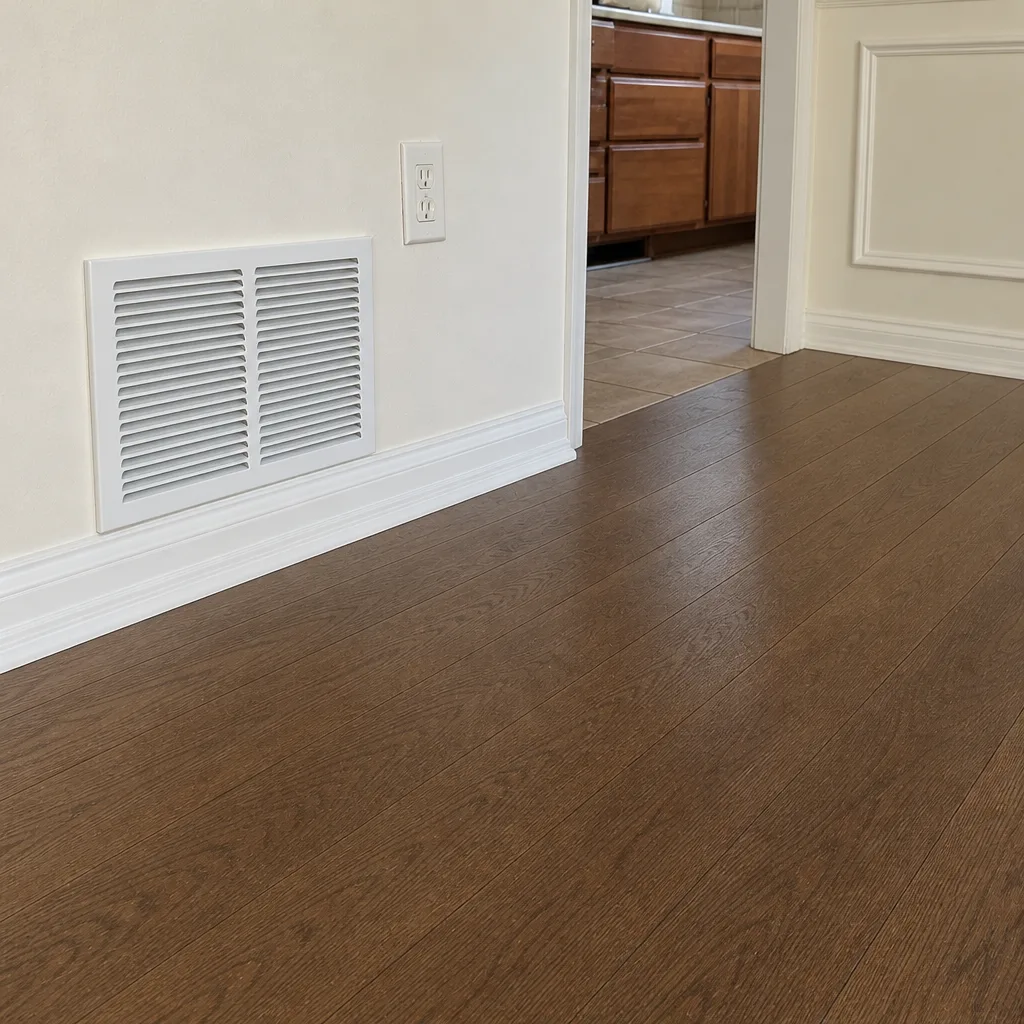 After
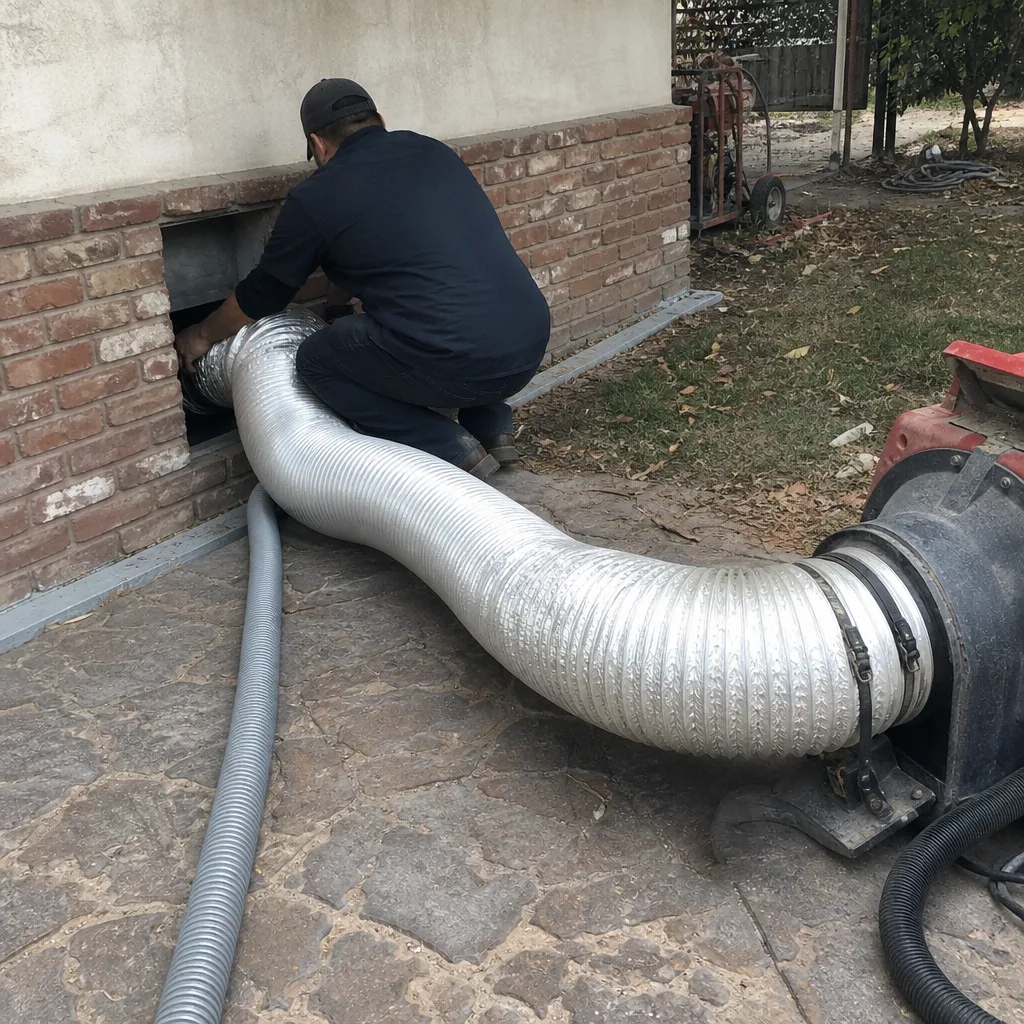 Before
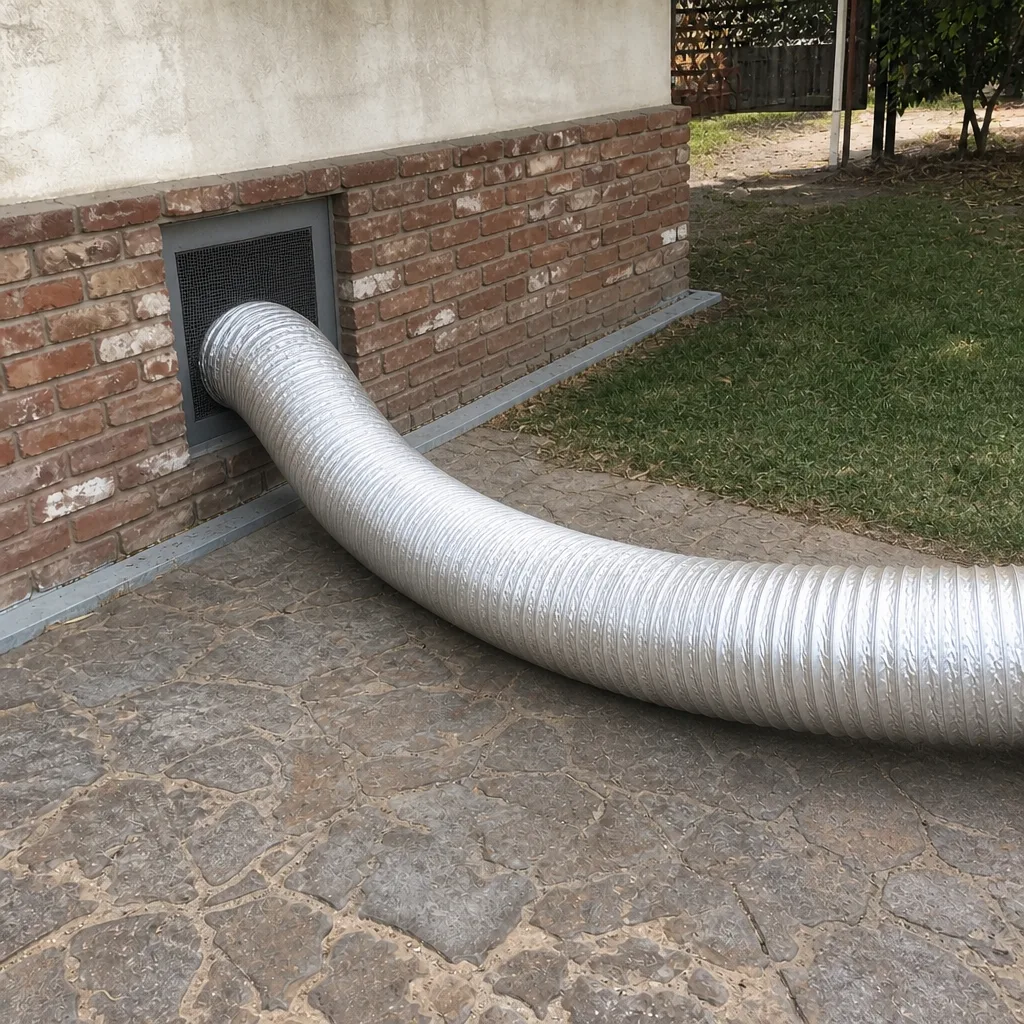 After
When to Call a Professional
The honest threshold is this: if the duct system has never been professionally cleaned or hasn’t been cleaned in several years, if anyone in the home has allergy or asthma symptoms that get worse indoors, or if there’s been a renovation, a pest problem, or a moisture event that could have introduced debris into the system, it’s time. Visible buildup, disconnected duct sections, a dryer that takes two cycles to dry a load, or a vent flap that doesn’t open all the way are all reasons to call. air duct cleaning with proper containment is the only way to remove contamination from a duct instead of moving it around. Duct Cleaning Visalia offers free estimates in Visalia, and the price is set per job by the written estimate before any work starts. Call (855) 970-3448. We answer 24/7, with fast dispatch from 7am to 7pm, Sunday through Friday.
Frequently Asked Questions
You can clean the registers and the surfaces around them, but a shop vac can’t clean the duct system itself. A consumer vacuum doesn’t produce the airflow or sustained negative pressure needed to pull debris out of a trunk line, so the debris gets agitated and pushed deeper or out into the room. If the goal is a cleaner system, professional equipment is what makes it happen. Call (855) 970-3448 for a free estimate.
For most homes in Visalia, professional duct cleaning every few years is a reasonable rhythm, and a specific event moves the schedule up. That event is a renovation, a pest problem, a moisture issue, or a household member with allergy or asthma symptoms. Homes in the valley’s higher-particulate neighborhoods may notice the buildup faster than homes elsewhere. Call (855) 970-3448 for an honest read on your system.
Because they’re quoting a different job. A low quote usually covers register-tip cleaning with consumer equipment, not a full-system cleaning with containment and access points. A proper cleaning includes cutting access into the trunk line, running air filtration during service, and providing before-and-after photos of the actual ducts. The price is set per system, agreed before work starts, not per register. Call (855) 970-3448 for a flat quote.
Ask for before-and-after camera photos of your own ducts. A contractor with proper equipment can photograph the trunk line and a sample of branches before cleaning and again after, and those images are the proof of work. If a company can’t provide that, the work is unverified. We provide photos as part of the service. Call (855) 970-3448 to schedule.
Cleaning a contaminated duct system removes a source of airborne fine particulate from the home, and that’s especially relevant in the San Joaquin Valley where outdoor particulate is already elevated. It doesn’t replace medical treatment or filtration in the living space, but a clean system plus a properly rated filter reduces the particulate load the HVAC system contributes. Call (855) 970-3448 for an assessment.
No, and that’s a good thing. Dryer vent cleaning is a separate service that addresses a fire risk rather than an air quality issue, and the U.S. Fire Administration recommends it annually. Dryer vents are usually not connected to the HVAC duct system at all, and mixing the two services can mask a fire-safety problem that needs its own visit. We clean dryer vents in Visalia as a standalone service. Call (855) 970-3448 to book one.
The Bottom Line
DIY duct cleaning feels like a shortcut until you understand the physics. Consumer equipment agitates debris in the duct while the HVAC system keeps moving air toward your rooms, and in Visalia’s fine-particulate environment, that means a DIY attempt usually redistributes the problem rather than removing it. What you can do yourself – register cleaning, filter changes, visual checks – is worth doing, and it’s genuinely useful. What you can’t do is replace the negative pressure and containment that a professional cleaning requires. One professional service done correctly is cheaper and better than a rental kit plus the follow-up call. Before you decide, get a free estimate and see what your system actually needs.
If you’re not sure whether your ducts need cleaning, the answer starts with a phone call. Call (855) 970-3448 for a free estimate. We answer 24/7. Fast dispatch from 7am to 7pm, Sunday through Friday, and we’re closed Saturday. We’ll walk you through what a proper cleaning involves on your system and give you a flat price before any work begins.
Written by the team at Duct Cleaning Visalia.